Recently Accredited

Education Quality Assessment Services

EQAS ACCREDITATION

Build your international education programs
 foundation of quality

Verify Certificate

Verify Cerificate

About EQAS

Our Standards Lead to Enhanced Educational Outcomes

Globally acknowledged, EQAS is an independent quality assurance body approved by the UK government. With a presence in over 20 countries and over 60 providers, we have grown to become one of the largest international accreditation agencies worldwide.
EQAS Accreditation

The Significance of Accreditation

EQAS accreditation is critically important for educational institutions. It serves as a dual catalyst, elevating both the institution’s reputation and its internal operational efficiency. EQAS conducts thorough evaluations of administrative procedures and overall performance, leading to enhancements in the quality of the teaching and learning environment. This, in turn, contributes to improved educational outcomes.
EQAS Accreditation serves as a robust assurance to students, parents, and caregivers, signaling that your institution offers a secure investment that leads to valuable qualifications. Additionally, stakeholders and education authorities will acknowledge your steadfast commitment to delivering a high-quality international education experience, thereby fostering continuous improvement and development.

Elevate your institution’s visibility and attain global acknowledgment for your unwavering dedication to providing quality education.

Provide secure, inclusive, and appealing educational experiences for both domestic and international students.

Gain specialized support right from the outset and formulate your international strategy.

Demonstrate your dedication to nurturing a positive culture and fostering an enriching learning environment.

Benefits

Benefits of EQAS

Boost Student Enrollment

Educational institutions, including accredited schools and universities, have seen a remarkable 55% surge in student enrollments.

Improve Student Retention

Improve Student Retention Student retention at accredited schools, universities and institutes are up by more than 30%.

Prominent Accreditation Organizations

Prominent Accreditation Organizations Access premier international and regional accreditation via GAC's extensive global network of accreditation organizations.

Enhance Institutional Recognition

Enhance Institutional Recognition Establish connections with leading accreditation bodies to amplify the public recognition of your educational institutions, schools, and universities.

Global Recognition

Global Recognition Our accreditation bodies guarantee universal acceptance, extending not only to the institution but also to individual academic programs and disciplines.

Meet Global Standards

Meet Global Standards Obtain the appropriate accreditation to highlight the quality of education and services offered by your educational institutions, sourced from a diverse array of accreditation bodies.

EQAS Institution

Our Dedication Lies in Achieving Excellence in International Education

EQAS Accreditation stands as a globally recognized benchmark for educational institutions, encompassing schools, colleges, universities, and online learning providers. Whether you’re based in the UK or anywhere around the world, our services are designed to enhance the quality of your educational offerings.


EQAS Alliances

Our Collaborative Alliances

EQAS Accreditation Standards

The purpose of EQAS Accreditation Standards is to provide a structured framework for
evaluating and enhancing the quality of international schools. These standards are designed
to ensure schools demonstrate commitment to best practices in governance, operational
effectiveness, safety, and academic excellence.

EQAS accreditation aims to:

  • Promote institutional accountability and transparency.
  • Validate compliance with internationally recognized quality benchmarks.
  • Support continuous improvement and innovation in teaching, learning, and
    management.

The scope of EQAS accreditation encompasses all aspects of a school’s operations,
including:

1.Governance and Leadership: Assessment of decision-making structures, policies, and
strategic planning.
2. Health, Safety, and Security: Verification of safety protocols, emergency response
systems, and safeguarding measures.
3. Curriculum and Teaching Quality: Evaluation of curriculum frameworks, teaching
methodologies, and assessment practices.
4. Staff Qualifications and Development: Analysis of staff credentials, training programs,
and professional development initiatives.
5. Student Welfare and Support Services: Review of pastoral care, counseling services,
and extracurricular programs.
6. Facilities and Resources: Inspection of physical infrastructure, learning resources, and
technological capabilities.
7. Financial Stability: Examination of financial planning, resource allocation, and long term sustainability.

Accreditation signifies that a school adheres to globally recognized standards, fostering
confidence among stakeholders and enhancing institutional reputation. Schools accredited
by EQAS are expected to sustain quality practices and engage in periodic reviews to
maintain compliance and promote continuous improvement

2.1 Pre-Inspection Requirements

The pre-inspection phase is a critical step in ensuring that schools are well-prepared for the
accreditation process. During this stage, schools must complete the following tasks:

1. Submission of Self-Assessment Documents:

  • Schools must prepare and submit a detailed self-assessment report based on
    EQAS standards.
  • The report should include evidence demonstrating compliance with key
    indicators, including governance, safety, curriculum, and resource
    management.
  • Supporting documents, such as policies, staff qualifications, and financial
    statements, must be collated and indexed for ease of access during
    inspection.

2. Development of an Improvement Plan:

  • Schools are required to analyze their self-assessment findings and develop a
    structured improvement plan.
  • The plan should outline short-term and long-term objectives, including
    strategies for addressing identified weaknesses.
  • It must also specify timelines and responsibilities for implementation to
    demonstrate accountability and progress tracking.

3. Submission Deadlines and Review:

  • All documents must be submitted to EQAS at least six weeks prior to the
    scheduled inspection date.
  • EQAS will review submissions to ensure completeness and provide
    preliminary feedback if additional information or clarifications are required.

2.2 Inspection Preparation

The inspection preparation phase involves close collaboration between the school and the
EQAS accreditation team to ensure smooth logistical arrangements and readiness for the
evaluation visit. Key steps include:

1. Assignment of EEQAS Team Leader:

  • EQAS assigns a dedicated Team Leader who serves as the primary contact
    throughout the inspection process.
  • The Team Leader coordinates communications, clarifies requirements, and
    addresses queries related to inspection logistics and expectations.

2. Agreement on Dates and Schedule:

  • Schools and the Team Leader agree on mutually convenient inspection dates,
    ensuring minimal disruption to regular school operations.
  • A detailed schedule of activities, including interviews, document reviews, and
    site visits, is developed and shared in advance.

3. Advance Information Sharing:

  • Schools must provide the Team Leader with access to relevant documents,
    including policies, manuals, and schedules, at least two weeks before the visit.
  • Digital copies or links to online resources should also be shared to facilitate
    early reviews and preparation.

4. Staff and Stakeholder Readiness:

  • Schools are responsible for briefing staff and stakeholders about their roles
    during the inspection.
  • This includes preparing management, academic staff, support staff, and
    students for scheduled meetings and discussions with inspectors.

5. Logistical Arrangements:

  • Schools should confirm arrangements for workspace setups, internet access,
    and audiovisual equipment required by the inspection team.
  • Local transport between the inspection venue and accommodation must be
    organized where necessary.

2.3 Travel and Hospitality

The EQAS team independently manages their travel and accommodation arrangements to
ensure impartiality and professionalism. However, schools are expected to assist in certain
logistical aspects to facilitate smooth operations during the inspection. Key expectations
include:

1. Local Transport Support:

  • Schools must arrange reliable local transportation for the accreditation team
    between the hotel and the school premises, as well as any off-site facilities
    included in the inspection schedule.

2. Accommodation Recommendations:

  • Schools may provide suggestions for accommodation options located near the
    inspection site, but the final decision and booking remain with the EQAS
    team.

3. Hospitality Guidelines:

  • While warm hospitality is appreciated, EQAS enforces a policy limiting gifts to
    symbolic or school-related items that do not exceed modest value.
  • EQAS discourages elaborate entertainment arrangements and emphasizes
    the importance of maintaining professional boundaries.

4. Catering Arrangements:

  • Schools are encouraged to provide light refreshments, including water, coffee,
    and tea, in the inspectors’ designated workroom.
  • A simple lunch should be made available for inspectors to accommodate busy
    schedules without interruption.
  • Dietary restrictions, if any, will be communicated in advance by the EQAS
    team leader.

Schools must compile and organize documentation to demonstrate compliance with EQAS
standards. Essential categories of evidence include:

1. Handbooks and Policies:

  • Staff and student handbooks outlining roles, responsibilities, and expectations.
  • Policies and procedures related to governance, curriculum, and operations.

2. Governance Records:

  • Organizational charts and leadership structures.
  • Meeting minutes, strategic plans, and accountability frameworks.

3. Safety and Emergency Plans:

  • Health and safety protocols, including risk assessments.
  • Emergency response plans and safeguarding measures.

4. Curriculum and Assessment Materials:

  • Curriculum maps, lesson plans, and assessment tools.
  • Samples of student work and grading rubrics.

5. Staff Qualifications and Development:

    • Resumes, certifications, and records of professional development.

6. Financial and Operational Records:

    • Budgets, audit reports, and resource allocation plans.
4.1 Workroom Setup
Schools must prepare a secure, private workspace for the inspection team. The workspace must:
  • Provide high-speed internet access and audiovisual equipment for presentations.
  • Be equipped with desks, chairs, and stationery.
  • Include refreshments, such as water, coffee, tea, and light snacks, throughout the day.

4.2 School Tour
Inspectors will conduct a detailed tour focusing on:
  • Health, safety, and security measures.
  • Classroom environments, resources, and facilities.
  • Specialized spaces such as laboratories, libraries, and recreational areas.

4.3 Stakeholder Meetings
  • Management Team : Discuss governance policies, strategic planning, and institutional goals.
  • Academic Staff: Evaluate curriculum delivery, assessment practices, and professional development.
  • Support Staff: Review safety measures, facilities management, and administrative services.
  • Students: Provide feedback on learning experiences and school culture without staff presence.
5.1 Exit Report
The Team Leader provides a preliminary verbal summary of observations and initial findings at the conclusion of the inspection visit. This feedback highlights strengths, identifies areas for improvement, and outlines key observations made during the evaluation. No formal decisions regarding accreditation are announced during this stage, as all findings must undergo thorough review and validation by the Accreditation Committee.

5.2 Final Evaluation
A comprehensive written report is submitted by the inspection team within two weeks following the visit. This report includes:
  • A summary of observations.
  • Evaluations based on the EQAS standards.
  • Recommendations for improvement.

The Accreditation Committee reviews the report within one week and makes the final accreditation decision. Schools are notified of the outcome and provided with detailed feedback and next steps.

5.3 Appeals Process
Schools that disagree with the accreditation decision have the right to file an appeal. The appeals process involves:
  • Submitting a formal written request outlining the grounds for appeal.
  • EEQAS conducting an independent review of the appeal.
  • A final decision being communicated to the school within four weeks.

Schools accredited by EQAS are expected to adopt a culture of continuous improvement to
maintain and enhance the quality of education and operational practices. Key elements
include:

1. Annual Reporting Requirements:

  • Accredited schools must submit an annual report detailing compliance with
    EQAS standards, updates on improvement plans, and progress toward
    achieving strategic goals.
  • Reports should highlight any significant changes in governance, staffing,
    curriculum, facilities, or financial stability.

2. Periodic Self-Assessments:

  • Schools are encouraged to conduct internal self-assessments periodically to
    identify areas for development and ensure alignment with accreditation
    standards.
  • Findings should be documented and used to revise improvement plans as
    necessary

3. Continuous Professional Development:

  • Schools must invest in ongoing training and development programs for staff to
    ensure teaching quality and operational efficiency.

4. Feedback Mechanisms:

  • Schools should establish mechanisms to collect feedback from stakeholders,
    including staff, students, and parents, to inform decision-making and enhance
    institutional practices.
For additional support or queries, institutions can contact the EQAS Support Team:

  • Email: info@eqas.co.uk
  • Phone: +44 20369 33911
  • Website: www.eqas.co.uk

The support team is available to assist with inquiries regarding the accreditation process, standards, or any other related matters.
EQAS International Universities Preparing for Inspection

1. Introduction

Ensuring the quality of education and its recognition on a global scale has become a defining requirement for institutions of higher learning. EQAS (Education Quality Assessment Services) serves as a premier accreditation body, guiding universities in their pursuit of excellence. This document outlines the process by which international universities can prepare for EQAS inspections, ensuring adherence to globally recognized quality standards while fostering continuous institutional improvement.

1.1 About EQAS

Education Quality Assessment Services (EQAS) is an internationally oriented accreditation platform dedicated to promoting and recognizing excellence in higher education institutions worldwide. EQAS provides an evidence-based framework for evaluating universities’ operational, academic, and strategic activities to ensure they meet rigorous global benchmarks.

At the heart of EQAS lies a commitment to enhancing educational quality, supporting institutions in achieving their goals, and ensuring that they operate with transparency, accountability, and sustainability. EQAS accreditation serves as a hallmark of distinction, signifying that an institution meets internationally recognized standards of governance, curriculum delivery, research integrity, safety, and overall student experience.

By obtaining EQAS accreditation, universities gain a competitive edge in the global education sector, strengthening their reputation and expanding opportunities for international collaboration and student recruitment. Accreditation through EQAS not only validates an institution’s existing efforts but also provides actionable feedback to encourage ongoing development and improvement.

This document serves as a comprehensive guide for universities preparing for an EQAS accreditation visit, offering clear instructions, expectations, and insights into the inspection process. The ultimate aim is to empower institutions to demonstrate their commitment to quality education and to ensure that students receive an exceptional learning experience that aligns with international standards.

1.2 Objectives

The primary objective of Education Quality Assessment Services (EQAS) is to serve as a benchmark for quality assurance in higher education, guiding institutions towards sustained excellence and international recognition. EQAS provides a structured and comprehensive framework for evaluating universities based on global standards while fostering a culture of continuous improvement.

The key objectives of EQAS include:

1. Ensuring High Educational Quality Standards
EQAS is committed to promoting academic excellence by establishing rigorous quality benchmarks for governance, teaching, research, and student services. By encouraging institutions to meet and exceed these standards, EQAS ensures that students receive an education of the highest caliber. The platform emphasizes the importance of well structured curricula, qualified faculty, effective teaching methodologies, and a supportive learning environment.

Through regular assessments, EQAS helps universities identify their strengths and areas requiring improvement. The accreditation process serves as a catalyst for raising institutional standards, ensuring that universities remain aligned with evolving global educational trends.

2. Supporting Universities in Achieving International Recognition
EQAS accreditation enhances the credibility and global standing of universities by validating their adherence to internationally accepted educational practices. Accreditation not only assures students, parents, and stakeholders of the institution’s commitment to excellence but also opens doors to global opportunities such as partnerships, collaborations, and student exchanges.

EQAS strives to bridge the gap between regional institutions and global expectations, empowering universities to compete at an international level. By offering a transparent and objective evaluation process, EQAS equips institutions with the tools needed to build a robust reputation and attract students, faculty, and researchers from across the world.

Ultimately, the objectives of EQAS revolve around creating a sustainable foundation for institutional growth, fostering innovation in education, and ensuring that universities continue to deliver a meaningful and impactful learning experience to their students.
2. EQAS Standards

The EQAS standards provide a comprehensive framework for evaluating and accrediting higher education institutions. These standards are designed to ensure a holistic, transparent, and objective assessment of universities, taking into account their ability to deliver highquality education, maintain effective governance, ensure student and staff safety, and foster a thriving research environment.

By adhering to these standards, institutions can demonstrate their commitment to quality, accountability, and excellence in all areas of operation. The standards serve as both a foundation for accreditation and a roadmap for continuous institutional improvement.

2.1 General Principles

EQAS employs a holistic approach to evaluating universities, recognizing that institutional quality cannot be measured by a single factor alone. Instead, it encompasses all key operational areas that contribute to the success and sustainability of an institution. The general principles guiding EQAS assessments are as follows:

1. Comprehensive and Inclusive Evaluation
EQAS evaluations are designed to assess every facet of a university’s operations, ensuring that no critical area is overlooked. The evaluation considers both academic and administrative functions, promoting a balanced approach to quality assurance.

2. Focus on Key Elements
EQAS standards are built around four core elements that are essential to the functioning and reputation of a university:

  • Governance and Leadership:
    The quality of an institution’s management, its leadership structures, strategic vision, and operational transparency are fundamental to its overall effectiveness. EQAS evaluates how well the university’s leadership promotes accountability, decision-making, and sustainable growth.
  • Health, Safety, and Well-being:
    Ensuring a safe and supportive environment for students, staff, and visitors is a priority. EQAS standards assess the institution’s health and safety protocols, emergency preparedness, and safeguarding measures to maintain a secure learning and working atmosphere.
  • Educational Excellence:
    The quality of teaching, the structure of academic programs, and the availability of resources to support effective learning are central to EQAS evaluations. Institutions are assessed on the qualifications of faculty, curriculum relevance, teaching methodologies, and mechanisms for student assessment and feedback.
  • Research and Innovation:
    EQAS recognizes the importance of fostering a culture of research and innovation within universities. The standards evaluate the institution’s research policies, supervisory arrangements for postgraduate students, research output, and its impact on the academic community and beyond.


3. Continuous Improvement

EQAS emphasizes that quality assurance is an ongoing process. Universities are encouraged to regularly engage in self-assessment, address areas for improvement, and set measurable goals for growth and innovation.

4. Adaptability to Institutional Diversity

Recognizing that universities vary in size, scope, and mission, EQAS standards are designed to be adaptable. The principles allow for flexibility while maintaining consistency, ensuring that all universities—regardless of their geographical location or academic focus—are assessed fairly and comprehensively. Through these principles, EQAS ensures that universities meet global standards of excellence while fostering a culture of accountability, innovation, and continuous growth.

2.2 Core Assessment Criteria

The EQAS accreditation process is guided by a set of core assessment criteria that reflect the essential pillars of institutional quality and sustainability. These criteria provide a structured and objective approach to evaluating universities, ensuring alignment with global best practices while acknowledging institutional diversity.

1. Quality of Academic Programs
The quality of academic programs is central to any university’s mission. EQAS evaluates the structure, content, and delivery of academic programs to ensure they are relevant, rigorous, and meet international educational standards. This includes:
  • Alignment of programs with institutional goals, labor market needs, and global academic expectations.
  • Use of innovative and effective teaching methodologies that foster student engagement and critical thinking.
  • Continuous curriculum development to incorporate advancements in knowledge and emerging trends in various disciplines.
  • Systems for program review, feedback collection, and academic quality assurance.


2. Qualifications of Teaching Staff
The success of academic programs is dependent on the quality and qualifications of teaching personnel. EQAS places strong emphasis on evaluating:
  • The academic and professional qualifications of faculty members, ensuring they meet the required standards for teaching and research roles.
  • Ongoing professional development opportunities for teaching staff to enhance skills, adopt modern pedagogies, and engage in research.
  • Faculty-to-student ratios to ensure an appropriate balance that supports individualized attention and mentoring.
  • Mechanisms for evaluating teaching performance and implementing improvements based on student and peer feedback.


3. Governance and Financial Sustainability
Effective governance and financial management are the foundations of a stable and thriving university. EQAS assesses:
  • The leadership structure, transparency in decision-making, and strategic planning processes.
  • The institution’s ability to allocate resources efficiently to support academic and operational priorities.
  • Financial sustainability, including budgeting, revenue streams, and accountability measures to ensure long-term viability.
  • The role of governance bodies, such as boards of trustees or advisory councils, in oversight and institutional development.


4. Infrastructure Assessment: Health, Safety, and Resources
A conducive learning environment is critical to the overall success of students and staff. EQAS evaluates infrastructure in terms of:
  • The physical environment, including classrooms, laboratories, libraries, and recreational facilities, to ensure they are modern, safe, and well-maintained.
  • Health and safety policies, procedures, and preparedness to address emergencies or risks.
  • Technological resources, such as internet connectivity, e-learning platforms, and research tools, that enhance the quality of education.
  • Accessibility and inclusivity of facilities to accommodate the diverse needs of students and staff.


By addressing these core assessment criteria, EQAS ensures that universities are capable of delivering high-quality education, maintaining institutional stability, and creating an environment that supports both academic and personal growth.

2.3 Role of Self-Assessment

Self-assessment is a critical component of the EQAS accreditation process, serving as a foundational step for institutions to prepare for formal evaluations. EQAS strongly emphasizes the value of internal audits as a means to identify strengths, weaknesses, and opportunities for improvement in a systematic and proactive manner.

1. Purpose of Self-Assessment

Self-assessment enables universities to:
  • Conduct an internal review of their policies, procedures, and outcomes against EQAS standards.
  • Establish a clear understanding of their current position, strengths, and gaps in performance.
  • Foster a culture of reflection, accountability, and transparency across all levels of the institution.


2. Process of Self-Assessment

Universities are encouraged to undertake self-assessment as an ongoing, structured process. This includes:
  • Gathering and analyzing evidence related to academic programs, staff performance, infrastructure, governance, and student support services.
  • Engaging various stakeholders, including faculty, students, and administration, to gain comprehensive insights into institutional performance.
  • Benchmarking against EQAS standards to identify areas for growth and prioritize actionable improvements.
  • Preparing a detailed self-assessment report that highlights achievements, challenges, and plans for future development.


3. Benefits of Self-Assessment

Self-assessment is not merely a preparatory activity but a transformative tool that helps institutions:

  • Strengthen internal processes and establish a cycle of continuous quality improvement.
  • Proactively address challenges before formal inspections occur.
  • Develop a roadmap for achieving long-term institutional goals and sustaining excellence.


  • By integrating self-assessment as an integral part of institutional operations, universities can demonstrate their commitment to maintaining high standards of quality and readiness for EQAS accreditation.
    3. Preparing for Inspection Preparation for an EQAS accreditation inspection is a critical phase that requires thoughtful planning, clear communication, and organized execution. The inspection process is designed to be collaborative, ensuring a smooth and productive evaluation experience for both the institution and the inspection team. Successful preparation not only facilitates the work of inspectors but also enables the university to showcase its strengths effectively. One of the initial and most important steps in this phase is the appointment of a dedicated liaison who will act as the primary coordinator throughout the inspection process. 3.1 Appointment of a Point of Contact To ensure seamless coordination and communication during the inspection, the university is required to appoint a Point of Contact (PoC). This individual serves as the official liaison between the university and the EQAS inspection team, ensuring that all procedural, logistical, and informational requirements are met efficiently. The key responsibilities of the Point of Contact include the following: 1. Primary Communication Channel The PoC will act as the sole intermediary for all communications with the inspection team. This ensures a clear and centralized flow of information, minimizing confusion or miscommunication.
    • The university’s management must ensure that no other staff members engage with the inspection team unless explicitly requested.
    • All inquiries, clarifications, and updates during the preparation and inspection period must be directed through the PoC.
    2. Coordination of Documentation and Evidence The PoC is responsible for ensuring that all required evidence, documents, and materials requested by EQAS are prepared, organized, and readily accessible. This includes:
    • Compiling documents such as policies, handbooks, and reports.
    • Coordinating with various departments to gather and verify evidence in line with EQAS standards.
    • Ensuring all materials are presented in a structured manner to facilitate ease of review during the inspection.
    3. Logistical Arrangements The PoC will oversee logistical aspects of the inspection visit to ensure that the inspection team’s needs are met. Key tasks include:
    • Coordinating the preparation of a dedicated inspection workroom with necessary facilities, such as internet access, presentation tools, and refreshments.
    • Assisting the team with campus tours, meeting schedules, and stakeholder interactions.
    • Managing any adjustments to the visit schedule in consultation with the EQAS Team Leader.
    4. Stakeholder Engagement The PoC will work closely with university leadership, faculty, staff, and students to ensure they are informed about the inspection process. Responsibilities include:
    • Briefing relevant stakeholders on their roles during the visit, such as meeting participation or evidence presentation.
    • Addressing any queries or concerns raised by staff and students in preparation for the inspection.
    5. Availability and Professionalism The PoC must remain accessible throughout the duration of the preparation and inspection process. Professional conduct, attention to detail, and proactive problemsolving are essential qualities for this role to ensure the success of the inspection visit. Key Guidelines for Appointment:
    • The Point of Contact should hold a position of authority within the university (e.g., senior administrator or department head) to facilitate effective decision-making.
    • The appointed individual should have a comprehensive understanding of the institution’s operations, policies, and quality assurance processes.
    • Contact details of the PoC (name, title, office location, phone number, and email) must be shared with the EQAS Team Leader at least two weeks prior to the scheduled visit.
    By designating a competent and well-prepared Point of Contact, universities can ensure a structured, transparent, and efficient inspection process. The PoC’s role is pivotal in facilitating smooth communication and showcasing the university’s readiness to meet EQAS standards. 3.2 Documentation Requirements The preparation and organization of key documents are vital to ensuring the inspection process proceeds smoothly and efficiently. Accurate, comprehensive, and well-organized documentation not only demonstrates the institution’s commitment to transparency and quality but also enables the inspection team to conduct a thorough evaluation without unnecessary delays. EQAS requires universities to prepare and compile essential documents in advance of the visit. These materials will serve as evidence of the institution’s adherence to EQAS standards and should reflect the university’s policies, practices, and operational framework. Key Categories of Documents 1. Core Institutional Documents These foundational materials provide a clear picture of the university’s structure, governance, and operational philosophy:
    • Staff Handbook: This document should outline employment policies, roles and responsibilities of faculty and staff, professional development opportunties, and guidelines on workplace conduct.
    • Student Handbook: The handbook must include information on academic regulations, student support services, rights and responsibilities, and disciplinary procedures.
    • Quality Assurance (QA) Policies and Manuals: A comprehensive QA manual that details institutional processes for maintaining academic standards, monitoring curriculum effectiveness, and ensuring consistent evaluation.
    • Strategic and Development Plans: Documents outlining the university’s longterm goals, strategic priorities, and ongoing initiatives to enhance quality
      2. Policies and Procedures The university is expected to provide clear, well-documented policies and procedures that govern its operations and ensure compliance with quality standards. This includes:
    • Academic Policies: Guidelines for curriculum design, delivery, and assessment, including examination procedures, grading systems, and mechanisms for addressing academic grievances.
    • Health, Safety, and Security Policies: Detailed protocols for ensuring a safe learning and working environment, including emergency response plans and safeguarding measures.
    • Research Policies: Procedures governing research ethics, supervision, publication, and collaboration.
    • Financial Policies: Financial management policies covering budgeting, resource allocation, and accountability.
    3. Supporting Evidence Dossiers To facilitate the inspection process, universities must compile evidence demonstrating compliance with EQAS standards. This dossier should be wellorganized and include:
    • Supporting documents for key policies and procedures (e.g., meeting minutes, audit reports, or feedback analysis).
    • Records of faculty qualifications, professional development activities, and achievements.
    • Documentation of student feedback mechanisms, academic outcomes, and program evaluations.
    • Evidence of infrastructure, such as facility plans, safety inspection reports, and equipment inventories.
    Note: EQAS emphasizes efficiency and does not require the reproduction of existing documents. Instead, institutions are encouraged to provide clear references to relevant sections of existing materials, with physical or digital copies made readily available for the inspection team. Best Practices for Documentation Preparation To ensure a seamless review of documents, universities are advised to: 1. Organize documents logically, using clearly labeled folders or binders for each category of evidence. 2. Provide digital access to materials where possible, with links or file directories shared in advance of the visit. 3. Avoid including original copies of critical documents, as the inspection team may retain select items for reporting purposes. 4. Cross-reference documents where applicable to avoid duplication and facilitate quick navigation for inspectors. By adhering to these guidelines, universities can demonstrate their preparedness and commitment to quality assurance. A well-prepared set of documents not only streamlines the inspection process but also serves as a testament to the institution’s efficiency, organization, and adherence to EQAS standards. 3.3 Logistical Arrangements To facilitate a productive and efficient inspection process, the university must ensure that all necessary logistical arrangements are in place prior to the arrival of the EQAS inspection team. Proper planning of the workspace, access to essential resources, and provision of basic amenities contribute significantly to the smooth execution of the visit and reflect the institution’s professionalism and readiness. Setting up a Workspace for the Inspection Team A dedicated and secure workspace must be prepared for the exclusive use of the inspection team throughout the duration of the visit. This workspace will serve as the central hub for document review, discussions, and preparation of interim findings. The following guidelines should be observed when preparing the workspace: 1. Room Selection
    • Choose a room that is quiet, private, and free from interruptions.
    • Ensure the workspace is located in a secure area, with restricted access to maintain confidentiality.
    • The room should have a locking door or be located in a monitored area for security purposes.
    2. Room Setup
    • Provide adequate seating and work surfaces for the inspectors (typically for 3– 5 team members, unless otherwise specified).
    • Place necessary documents, handbooks, and evidence dossiers in clearly labeled sections within the workspace for easy access.
    • Arrange for a whiteboard or flip chart, if required, for team discussions or presentations.
    3. Technological Requirements To enable the inspection team to work efficiently, ensure the following technological resources are available and operational:
    • Internet Access: Provide secure, high-speed wireless internet in the workspace. Display the network name and password clearly within the room.
    • Equipment: Set up essential tools, such as a projector, computer, or laptop with necessary connections and sotiware for presentations.
    • Power Supply: Ensure sufficient power outlets and extension cords are available for laptops and other electronic devices.

      4. Documentation Station
      • Prepare a dedicated table or area where all physical copies of documents and evidence are placed in an organized manner.
      • Where applicable, provide digital access to materials via a shared drive or USB device to minimize paper usage and streamline navigation.


      Ensuring Refreshments and Amenities
      Providing basic refreshments and amenities creates a welcoming and comfortable environment for the inspection team, supporting their focus and productivity throughout the visit. The following should be arranged:

      1. Refreshments
      • Offer a selection of beverages, such as coffee (including decaffeinated options), tea, botled water, an drinks.
      • Include light refreshments, such as fruit, biscuits, or pastries, to be available throughout the day.
      2. Lunch Provision
      • A light lunch should be provided for each inspection team member, delivered to the designated workspace to allow the team to continue their work if needed.
      • Inquire in advance about any dietary restrictions or preferences to accommodate the needs of the inspectors.
      3. Additional Amenities
      • Provide basic stationery, including notepads, pens, markers, and sticky notes, for the inspection team’s convenience.
      • Ensure proper temperature control and ventilation in the workspace to create a comfortable working environment.


      Best Practices for Logistical Arrangements
      • Prepare the workspace and test all equipment (e.g., internet, projector) at least one day prior to the visit.
      • Assign a support staff member to remain available for any last-minute requests or troubleshooting during the visit.
      • Clearly post contact details of the appointed Point of Contact within the workspace for quick communication.

      By meticulously addressing these logistical arrangements, the university demonstrates its organizational efficiency and commitment to facilitating a successful inspection process. Such preparations ensure that the inspection team can carry out their responsibilities effectively and without unnecessary delays.
    The Inspection Process The inspection process is a structured and collaborative assessment designed to evaluate the university’s adherence to EQAS standards. A well-organized inspection allows for a comprehensive review of the institution’s operations, infrastructure, and practices while minimizing disruptions to regular activities. The process begins with careful scheduling and progresses through a series of structured activities, including meetings, evidence reviews, and a physical tour of the campus facilities. 4.1 Scheduling The inspection schedule is a critical component of the accreditation process, ensuring that all aspects of the university’s operations are effectively reviewed within the allocated time. EQAS emphasizes flexibility and cooperation when planning the visit to accommodate the institution’s daily activities and operational flow.

    Key steps in scheduling include:

    1. Coordination with the Team Leader

    • The Accreditation Team Leader will be the university’s primary point of contact for finalizing the schedule.
    • The schedule will outline specific times for meetings, document reviews, campus tours, and stakeholder discussions.
    2. Customization to Institutional Needs
    • While EQAS requires dedicated time for key inspection activities, the university’s academic calendar, ongoing operations, and other commitments will be taken into consideration.
    • Flexibility is encouraged to ensure minimal disruption to teaching, examinations, or administrative workflows.
    3. Drafting and Finalizing the Schedule
    • The university will prepare a draft itinerary in consultation with the Team Leader, clearly indicating:
      • Meeting times with various stakeholders (e.g., management, faculty, support staff, and students).
      • Time slots for document and evidence review.
      • Allocation for the campus tour and inspection of facilities.
    • Once finalized, the schedule will be communicated to all relevant stakeholders within the university to ensure preparedness and participation.

    4. Buffer Time
    • Adequate buffer periods (e.g., ±15 minutes) should be included between meetings to allow for natural delays and informal discussions.
    • The schedule should accommodate the inspection team’s need for breaks to reflect on findings and prepare for subsequent activities.


    By working collaboratively with the Accreditation Team Leader to design an effective schedule, the university ensures a smooth and productive inspection visit that aligns with EQAS standards while respecting institutional operations.

    4.2 University Tour

    The campus tour is an integral part of the inspection process, providing the EQAS team with a first-hand perspective of the university’s infrastructure, facilities, and environment. This tour allows inspectors to assess whether the physical resources and systems align with the institution’s mission and EQAS requirements.

    Key areas of focus during the tour include:

    1. Infrastructure and Facilities
    • Inspection of classrooms, laboratories, libraries, and lecture halls to evaluate their suitability, capacity, and condition.
    • Review of technology infrastructure, including access to computers, internet connectivity, and e-learning platforms.
    • Examination of recreational and social spaces, such as cafeterias, student lounges, and sports facilities, to ensure they promote a holistic student experience.


    2. Health and Safety Standards
    • Evaluation of health and safety protocols, including fire safety systems, emergency exits, and first aid facilities.
    • Review of on-campus security measures, including surveillance systems, access control, and personnel monitoring.
    • Inspection of maintenance and cleanliness across the campus to ensure a safe and healthy environment for students, staff, and visitors.


    3. Resource Availability
    • Verification of resources, such as textbooks, academic journals, research tools, and laboratory equipment, to ensure they meet the needs of the university’s programs.
    • Assessment of accessibility, ensuring that facilities and resources are available to all students, including those with disabilities.
    4. Sustainability and Environment
    • Review of the university’s commitment to environmental sustainability, including waste management systems, energy efficiency initiatives, and green spaces.


    Best Practices for Conducting the Tour:
    • Designate knowledgeable personnel (e.g., facilities managers or senior administrators) to guide the inspection team during the tour.
    • Prepare a clear itinerary for the tour, covering key areas while maintaining a logical and time-efficient flow.
    • Ensure that all facilities are clean, operational, and well-prepared for inspection.
    • Be ready to address questions regarding infrastructure management, safety protocols, and resource allocation.

    The university tour provides the EQAS inspection team with essential insights into the physical and operational environment of the institution. It demonstrates the university’s commitment to providing a safe, resourceful, and student-centered learning atmosphere.

    4.3 Stakeholder Meetings

    Stakeholder meetings form a critical component of the EQAS inspection process, providing the accreditation team with valuable insights into the university’s operations, academic practices, and institutional culture. These meetings create an opportunity for open dialogue between inspectors and key representatives, enabling a comprehensive understanding of the institution’s performance across all levels.
    To ensure productive and candid discussions, universities should prepare designated stakeholders for the following meetings while maintaining an environment of transparency and professionalism.

    Meeting with Management

    Key Elements of the Meeting:

    1. Introduction and Institutional Overview
    • A formal presentation covering the university’s history, mission, core values, and its role in serving the student community and broader academic landscape.
    • A summary of the university’s strategic goals and achievements to date.
    • 2. Preparation for Accreditation
      • Explanation of the steps undertaken to prepare for the EQAS inspection, including self-assessment activities, stakeholder engagement, and evidence compilation.
      • Highlighting key strengths and improvements implemented in response to prior evaluations, if applicable.
      3. Leadership and Governance
      • Overview of the university’s governance structure, decision-making processes, and leadership roles.
      • Discussion on policies for institutional accountability, financial sustainability, and strategic planning.


      Meeting with Academic Staff The academic staff meeting provides an opportunity to review the quality and delivery of academic programs, teaching methodologies, and support systems that contribute to student learning outcomes.

      Focus Areas for Discussion:

      1. Curriculum Design and Implementation
      • How curricula are developed, reviewed, and updated to align with academic standards and industry needs.
      • Inclusion of innovative teaching methods, interdisciplinary approaches, and technology in the classroom.

      2. Teaching Practices and Assessment
      • Insights into the teaching strategies employed to promote student engagement, critical thinking, and academic success.
      • Evaluation of student performance, including assessment tools, grading systems, and mechanisms for feedback.

      3. Academic Resources and Professional Development
      • Availability of academic resources (e.g., libraries, research tools, and technology) to support effective teaching.
      • Opportunities for faculty training, skill development, and participation in research activities.

      4. Challenges and Institutional Support
      • Discussion of challenges faced by academic staff in delivering programs and the university’s efforts to address these issues.


      Meeting with Support Staff Support staff play a crucial role in ensuring the smooth operation of the institution. This meeting allows the inspection team to evaluate operational efficiency, infrastructure management, and administrative support services.

      Discussion Points Include:
      1. Facilities and Maintenance
      o Overview of the procedures for maintaining and upgrading campus facilities, ensuring health, safety, and security.

      2. Administrative and Technical Support
      o Evaluation of the efficiency of administrative services, including admissions, records management, and student support systems.
      o Technical support for academic and research activities, including IT services and laboratory operations.

      3. Health, Safety, and Security Protocols o Review of safeguarding measures, emergency preparedness, and risk management policies.

      4. Operational Challenges
      o Discussion of challenges faced by support staff and the university’s response to improve operational workflows.

      Meeting with Students

      The student meeting is conducted in an informal and open manner to encourage candid feedback regarding their experiences at the university. This session is critical in understanding how institutional policies, teaching practices, and resources impact student satisfaction and learning outcomes.

      Key Areas for Discussion:

      1. Academic Experience
      o Students’ views on the quality of teaching, relevance of programs, and accessibility of faculty support.

      2. Learning Environment
      o Perspectives on the facilities, resources, and technological infrastructure available to support their education.

      3. Health, Safety, and Well-being
      o Feedback on campus safety, health services, and overall student welfare initiatives.

      4. Opportunities for Engagement
      o Discussion of extracurricular activities, career services, and opportunities for personal and professional development.

      5. Recommendations for Improvement
      o Encouraging students to provide constructive suggestions for enhancing their overall university experience.

      Note: To ensure unbiased feedback, no university staff members should be present during the student meeting.
    5. Inspection Results

    The outcome of the inspection is a culmination of thorough evaluations, evidence analysis, and stakeholder discussions conducted during the visit. The inspection results serve to inform the university about its current standing in relation to EQAS standards, highlight areas of excellence, and provide constructive recommendations for further improvement.

    5.1 Oral Report
    At the conclusion of the inspection visit, the EQAS Accreditation Team Leader will deliver a preliminary Oral Report to the university’s management and designated representatives. This session marks the formal closure of the on-site inspection and provides an opportunity for the university to gain immediate insights into the team’s findings.

    Purpose of the Oral Report:
    The primary objective of the oral report is to share an initial summary of observations made during the inspection. While the findings are not final at this stage, they offer a clear indication of key strengths, areas requiring improvement, and notable practices observed by the inspection team.

    Structure of the Oral Report:

    1. Opening Remarks

    o The Team Leader will begin by acknowledging the university’s cooperation, hospitality, and commitment to the inspection process.
    o An overview of the purpose and limitations of the oral report will be provided, emphasizing that the final accreditation decision rests with the EQAS Accreditation Committee.

    2. Summary of Key Observations

    o The Team Leader will highlight the university’s notable strengths in areas such as governance, teaching quality, research initiatives, infrastructure, and student support systems.
    o Any practices observed during the inspection that align with or exceed EQAS standards will be recognized and commended.

    3. Areas for Improvement
    o Preliminary feedback will be provided on aspects where further development or improvement is recommended.
    o Observations will be presented constructively, with the aim of supporting the institution’s ongoing efforts to enhance quality and operational efficiency.

    4. Clarifications and Questions o University representatives will have an opportunity to seek clarification on specific observations or points raised during the oral report.
    o The Team Leader will address any immediate questions, ensuring that the feedback provided is well understood.

    Key Considerations for the Oral Report:

    • The oral report does not include a formal accreditation decision. The final outcome is determined after a comprehensive review of the inspection team’s findings by the EQAS Accreditation Committee.

    • The observations presented are based on the evidence available during the inspection and discussions with stakeholders.

    • University representatives are encouraged to approach the oral report as an opportunity for reflection, learning, and improvement.

    5.2 Final Report

    Following the conclusion of the on-site inspection, the EQAS inspection team undertakes the preparation of a comprehensive Final Report. This report serves as an official record of the findings from the inspection and is a key document that informs the accreditation decision made by the EQAS Accreditation Committee.

    Preparation of the Final Report:

    1. Compilation of Findings

    o The inspection team, under the leadership of the Accreditation Team Leader, will consolidate all observations, evidence, and feedback gathered during the visit.

    o The report will cover every key area of evaluation, including governance, curriculum quality, staff qualifications, infrastructure, health and safety, and student support systems.

    o All findings will be presented objectively, supported by specific examples and references to the evidence reviewed during the inspection.

    2. Structure of the Report The Final Report will include the following sections:

    o Executive Summary:
    A concise overview of the inspection process, key findings, and general observations.

    o Strengths and Commendations:
    Identification of areas where the university demonstrates excellence or has implemented best practices in line with EQAS standards.

    o Areas for Improvement:
    Constructive feedback on specific aspects requiring further development or enhancement to meet or exceed EQAS benchmarks.

    o Supporting Evidence:
    References to documents, policies, and stakeholder input that substantiate the findings.

    o Recommendations:
    Actionable suggestions to assist the university in addressing identified gaps and achieving continuous improvement.

    3. Review and Quality Assurance

    o Once drafted, the Final Report undergoes an internal quality assurance process within the EQAS team to ensure clarity, accuracy, and fairness.

    o Any discrepancies or ambiguities will be clarified, and the report will be finalized for submission.

    Submission to the Accreditation Committee:

    1. Timeline

    o The completed Final Report is submitted to the EQAS Accreditation Committee within two weeks of the inspection visit. This ensures a timely review process and prompt communication of outcomes to the university.

    2. Committee Review

    o The EQAS Accreditation Committee carefully reviews the Final Report, assessing the evidence, findings, and recommendations provided by the inspection team.

    o The Committee deliberates on the institution’s compliance with EQAS standards and determines the final accreditation outcome based on the report’s content.

    3. Confidentiality

    o The Final Report remains confidential during the review process and is shared only with authorized representatives of the university once the Committee reaches a formal decision.

    Significance of the Final Report:

    The Final Report serves as a detailed evaluation of the university’s performance and readiness for EQAS accreditation. It provides a clear assessment of institutional strengths while offering practical guidance for further enhancement. By adhering to a structured, evidence-based approach, EQAS ensures that the final evaluation is objective, transparent, and aligned with international quality assurance standards.

    5.3 Accreditation Outcome

    The accreditation outcome represents the culmination of the EQAS evaluation process and reflects the university’s compliance with established standards of educational quality and operational effectiveness. Based on a thorough review of the inspection findings documented in the Final Report, the EQAS Accreditation Committee determines whether the institution meets the requirements for accreditation.

    Accreditation Award

    1. Successful Accreditation

    If the university demonstrates compliance with EQAS standards, accreditation will be awarded for a designated period, typically four years. This signifies that the institution has met the necessary benchmarks for quality assurance, governance, and educational delivery.

    o Upon approval, the university will receive formal notification of accreditation via email.

    o An official certificate of accreditation will be issued, allowing the university to publicize its achievement.

    o Accreditation status will enhance the institution’s credibility, affirming its commitment to delivering high-quality education aligned with international standards.

    2. Next Steps for Accredited Institutions

    o Accredited universities are encouraged to maintain a focus on continuous improvement, guided by recommendations provided in the Final Report.

    o EQAS may conduct periodic progress reviews to monitor the institution’s adherence to standards and assess improvements.

    Explanation of Refusal

    If the Accreditation Committee determines that the institution has not sufficiently met EQAS standards, accreditation will be denied.

    1. Notification of Refusal

    o The university will be formally notified of the decision, with a clear and detailed explanation of the reasons for refusal.

    o Specific areas of non-compliance will be highlighted, supported by references to findings from the inspection and Final Report.

    2. Guidance for Improvement

    o While accreditation is not awarded in such cases, the university will receive constructive feedback to guide its efforts in addressing identified deficiencies.

    o Institutions are encouraged to develop an action plan to rectify gaps and prepare for re-application when ready.

    Appeals Process

    In the event of accreditation refusal, the university reserves the right to appeal the decision. EQAS ensures that the appeals process is fair, transparent, and impartial.

    1. Grounds for Appeal

    o Appeals may be submited if the institution believes that:

    The decision was based on inaccurate information or evidence.
    Key findings were not fully considered during the review process.

    2. Appeals Procedure

    o The university must submit a formal writen appeal to the EQAS Appeals Panel within 30 days of receiving the decision.

    o The appeal should clearly outline the grounds for contesting the decision and include any supporting evidence.

    o The Appeals Panel will conduct an independent review of the case, examining all relevant documentation, findings, and the appeal submission.

    3. Outcome of the Appeal

    o The Appeals Panel will notify the university of its final decision within 60 days of receiving the appeal.

    o The outcome of the appeal will be deemed final and binding. Commitment to Fairness and Transparency EQAS is committed to maintaining a transparent and objective accreditation process.

    Whether accreditation is awarded or refused, the university receives comprehensive feedback to support its journey toward educational excellence and quality assurance.

    6. University Responsibilities

    To ensure the success and integrity of the accreditation process, universities must fulfill specific responsibilities throughout their engagement with EQAS. These responsibilities are rooted in principles of cooperation, accountability, and a shared commitment to achieving and maintaining high standards of educational quality.

    6.1 Transparency

    Transparency is a cornerstone of the accreditation process, ensuring that the EQAS inspection team has access to accurate and comprehensive information for evaluation purposes.

    1. Openness in Providing Information

    o The university must provide full, clear, and accurate documentation and evidence during all stages of the inspection. This includes:

    Academic policies and procedures.

    Governance structures, financial statements, and institutional records. Information related to student performance, faculty qualifications, and resource allocation.

    o All information provided must reflect the actual operations and practices of the institution. Misrepresentation or withholding of information may result in delays, adverse findings, or refusal of accreditation.

    2. Cooperation with Inspectors

    o University leadership, faculty, staff, and students are expected to engage openly and honestly with the inspection team during interviews, tours, and evidence reviews.

    o Designated personnel must remain accessible to address any clarifications or requests made by the inspection team.

    3. Timely Communication

    o The university must communicate proactively with EQAS, including the submission of requested documents, updates regarding institutional changes, and responses to inquiries within agreed timelines.

    6.2 Continuous Improvement

    Achieving accreditation is not an endpoint but part of an ongoing process of development and enhancement. EQAS emphasizes the importance of a continuous improvement culture within universities to ensure sustainable excellence.

    1. Commitment to Development

    o Accredited institutions are expected to implement the recommendations provided in the Final Report to strengthen identified areas for improvement.

    o Universities should develop and maintain an Improvement Action Plan, outlining specific steps, measurable goals, and timelines for addressing feedback.

    2. Self-Assessment and Monitoring

    o Institutions are encouraged to conduct regular self-assessments to evaluate their progress against EQAS standards. o Evidence of improvement, such as updates to policies, enhancements to facilities, and measurable learning outcomes, should be documented and reviewed periodically.

    3. Engagement with EQAS

    o Universities may be subject to progress reviews or follow-up visits to ensure sustained compliance with EQAS standards.

    o Institutions are encouraged to engage with EQAS resources and guidance to support ongoing development initiatives.

    By fostering a culture of reflection and responsiveness, universities can ensure their continued growth and competitiveness in the global education landscape.

    6.3 Financial Obligations

    As part of the accreditation process, universities are required to fulfill their financial obligations in a timely and transparent manner to maintain their relationship with EQAS.

    1. Accreditation Fees

    o Payment of all applicable accreditation fees, including initial application fees, inspection costs, and annual maintenance fees, must be made in accordance with the terms outlined in the accreditation agreement.

    o Institutions are responsible for reviewing and understanding the financial terms before entering into an agreement with EQAS.

    2. Adherence to Agreements

    o Financial commitments must be honored promptly to avoid disruptions in the accreditation process. Failure to comply may result in delays, suspension of accreditation, or withdrawal of recognition.

    3. Transparency in Financial Dealings

    o Universities must maintain transparent financial records and provide any documentation related to payments or fees upon request.

    o EQAS reserves the right to issue reminders or seek clarification in cases of noncompliance with financial agreements.

    7. Frequently Asked Questions (FAQ)

    This section addresses common questions that universities may have as they prepare for the EQAS accreditation inspection. The FAQs aim to clarify expectations, streamline preparations, and ensure a smooth inspection process.

    1. How should the workspace be prepared ?

    The university must provide a secure, organized, and fully equipped workspace for the EQAS inspection team to use throughout the visit. Key requirements include:

    Room Selection: A private, quiet room with a locking door or located in a monitored area for security.

    • Seating and Work Surfaces: Sufficient tables and chairs for all inspection team members.

    • Technological Setup: o High-speed wireless internet access with login details clearly posted.

    o A projector or screen for presentations and discussions.

    o Access to power outlets and extension cords for laptops and other devices.

    • Documentation Station: Clearly organized and labeled folders containing physical evidence and key documents. Digital versions, where available, should be accessible through a shared drive or USB devices.

    • Refreshments: Light refreshments (e.g., coffee, water, and snacks) and a working lunch to ensure the team remains focused and comfortable during their workday.

    Attention to detail in preparing the workspace reflects the university’s professionalism and readiness for the inspection process.

    2. What documents are required?

    The EQAS inspection team requires access to specific documents that provide evidence of the university’s compliance with accreditation standards. These include:

    • Institutional Documents:

    o Staff Handbook and Student Handbook.

    o Quality Assurance (QA) policies and manuals.

    o Strategic plans, including long-term goals and development initiatives.

    • Academic Records:

    o Curricula and course outlines for all programs.

    o Faculty qualifications, including academic credentials and professional development records.

    o Student performance data, feedback analysis, and assessment results. • Policies and Procedures: o Health, safety, and emergency protocols. o Governance policies, including decision-making structures and financial management procedures.

    o Research policies, including ethics, supervision arrangements, and output tracking.

    • Supporting Evidence:

    o Meeting minutes, institutional audits, and program evaluation reports.

    o Infrastructure-related documents, such as facility plans, safety certifications, and resource inventories.

    Universities are encouraged to compile these documents in an organized and crossreferenced manner. Where materials exist in multiple forms (e.g., digital and physical), inspectors should be provided with easy access to both.

    3. What can universities expect during the inspection?

    The inspection process is designed to be collaborative, thorough, and structured. Universities can expect the following activities:

    • Initial Meeting: The inspection begins with an introductory session where the EQAS Team Leader outlines the purpose, structure, and schedule of the visit.

    • Stakeholder Meetings:

    Inspectors will hold discussions with key groups, including:

    • University management: Strategic vision, institutional governance, and accreditation preparation.

    • Academic staff: Curriculum development, teaching methodologies, and professional support.

    • Support staff: Operational practices, facilities management, and health and safety procedures.

    • Students: Feedback on learning experiences, campus resources, and overall satisfaction.

    • Campus Tour: Inspectors will conduct a tour of the campus to evaluate infrastructure, safety standards, and available resources (e.g., classrooms, libraries, laboratories, and recreational spaces).

    • Document Review: Inspectors will systematically review all prepared documents and evidence to verify compliance with EQAS standards.

    • Oral Report: At the conclusion of the inspection, the Team Leader will present preliminary findings, highlighting strengths and areas for improvement.

    Throughout the inspection, EQAS emphasizes professionalism, fairness, and open communication. Universities should view the process as an opportunity to showcase their achievements and identify pathways for further growth and improvement.
    For additional support or queries, institutions can contact the EQAS Support Team:

    • Email: info@eqas.co.uk
    • Phone: +44 20369 33911
    • Website: www.eqas.co.uk


    The support team is available to assist with inquiries regarding the accreditation process, standards, or any other related matters.

    1.1 Purpose and Objectives

    The primary purpose of accreditation under the EQAS framework is to establish a robust
    system for assessing and recognizing the quality of educational institutions and training
    organizations. This ensures that these entities operate with a commitment to delivering
    education and training that meets high ethical and academic standards while aligning with
    globally recognized practices.

    Accreditation under EQAS serves as a mark of trust and reliability, assuring students, parents,
    employers, and other stakeholders that accredited institutions provide a digitally advanced
    environment conducive to learning, personal development, and professional growth through
    online resources, e-learning platforms, and AI-driven assessment tools. The objectives of EQAS
    accreditation include:

      • Quality Assurance: To promote a culture of continuous improvement within
        institutions, ensuring that all aspects of operations, from governance to teaching, meet
        rigorous standards.
      • Ethical Practices: To foster integrity and transparency in institutional management,
        marketing, and student engagement.

    Global Standards Compliance: To align institutional practices with international
    benchmarks, facilitating the mobility of students and the global recognition of
    qualifications.and credibility of accredited institutions.


    1.2 Scope


    EQAS accreditation applies to a broad spectrum of educational and training institutions,
    including but not limited to colleges, vocational training centers, and specialized training
    organizations. The framework is adaptable to diverse institutional models, ranging from smallscale local providers to large international entities.

    The geographic scope of EQAS accreditation is global, accommodating institutions across
    different countries and educational systems. While the standards are firmly rooted in
    internationally recognized best practices, they remain flexible enough to respect regional legal
    and cultural nuances. This ensures that institutions in varying contexts can achieve and
    maintain accreditation while meeting both local requirements and international expectations.

    Through its comprehensive and inclusive approach, EQAS aims to support the development of
    quality education and training worldwide, fostering a network of institutions committed to
    excellence and innovation.


    1.3. Principles


    1.3.1. The EQAS framework is guided by the following core principles:

    1.3.1.1. Independence and Transparency: Accreditation decisions are made with impartiality
    and are based on clearly defined, objective criteria. The process is open and transparent,
    fostering trust among stakeholders.

    1.3.1.2. Continuous Improvement and Innovation: EQAS promotes an ongoing commitment
    to enhancing institutional practices, encouraging innovation in teaching, governance, and
    service delivery to meet evolving educational demands.

    1.3.1.3. Ethical and Sustainable Practices: Institutions are expected to uphold the highest
    standards of ethics in their operations, ensuring sustainability in their academic,
    environmental, and social responsibilities.

    2.1. Each area will include expected standards, documentation requirements, and commendable indicators.

    2.1. Premises, Health, and Safety
    2.1.1. Ensuring a safe, accessible, and supportive environment is a fundamental requirement for accreditation. The standards for this area include:

    2.1.1.1. Facility Requirements: Institutions must maintain both physical and virtual facilities, including online learning environments, cloud-based administrative systems, and AI-driven support platforms to facilitate a seamless educational experience.

    2.1.1.2. Health and Safety Compliance: Institutions must comply with local and international health and safety regulations, incorporating digital monitoring systems for safety compliance, AI-powered emergency alerts, and cloud-based incident reporting platforms.

    2.1.1.3. Accessibility: Institutions must ensure their physical and digital platforms are fully accessible to individuals with disabilities, integrating AI-powered accessibility tools such as speech-to-text conversion, screen readers, and adaptive learning interfaces.

    2.2. Governance, Management, and Staff Resources
    2.2.1. Effective governance and management are essential for the successful operation of any institution. Standards in this area include:

    2.2.1.1. Governance Structure: Institutions must have a well-defined digital governance structure with AI-driven analytics dashboards, online leadership meetings, and automated reporting systems for transparent decision-making.

    2.2.1.2. Leadership and Management: Institutions must demonstrate effective decisionmaking processes, ensuring accountability and alignment with strategic goals. Leadership should foster a culture of collaboration and transparency through AI-enhanced digital workspaces, blockchain-based decision tracking, and automated policy enforcement systems.

    2.2.1.3. Staff Qualifications and Professional Development: Institutions are required to employ qualified staff with relevant expertise and experience. Continuous professional development must be provided through digital learning platforms, AI-powered adaptive training modules, and certified online learning programs to enhance skills and ensure that staff remain up to date with educational advancements and industry trends.

    2.3. Learning and Teaching

    2.3.1. High-quality learning and teaching practices are at the core of successful educational institutions. Standards for this area include:

    2.3.1.1. Curriculum Standards: Institutions must ensure that their curricula are relevant, rigorous, and inclusive, utilizing digital curriculum mapping, AI-powered personalized learning paths, and cloud-based content management systems, meeting the needs of diverse student populations and aligning with industry and academic benchmarks.

    2.3.1.2. Delivery Methods: Institutions should offer fully digital learning options, including AIpowered adaptive learning, interactive virtual reality (VR) classrooms, and automated AI tutoring support, to accommodate varying learning styles and accessibility needs.

    2.3.1.3. Resources and Facilities: Institutions must provide digital resource hubs, including AIcurated research databases, blockchain-secured digital credentials, and interactive learning environments and teaching activities. This includes well-equipped libraries, laboratories, and IT systems to enhance the academic experience.

    2.4. Quality Assurance and Enhancement
    2.4.1. Maintaining and enhancing the quality of education is essential for institutional growth and credibility. Standards for this area include:

    2.4.1.1. Internal Review Processes: Institutions must implement structured AI-driven automated auditing, blockchain-secured compliance records, and real-time performance analytics dashboards and mechanisms for collecting and acting upon student feedback to evaluate and improve their operations.

    2.4.1.2. Benchmarking and External Validation: Institutions must benchmark using AI-driven industry analysis, real-time digital accreditation comparisons, and automated compliance reporting systems and seek external validation to ensure continued relevance and quality.

    2.4.1.3. Commitment to Continuous Improvement: Institutions must demonstrate a proactive approach using AI-generated improvement plans, predictive analytics for learning trends, and automated performance tracking and implementing strategies to address them, fostering an ethos of ongoing development.

    2.5. Student Welfare
    2.5.1. Ensuring student well-being is a critical component of a supportive educational environment. Standards for this area include:.

    2.5.1.1. Induction Programs for New Students: Institutions must provide fully digital onboarding, including AI-powered student assistants, virtual campus tours, and online learning adaptation modules to familiarize students with their academic environment, support systems, and institutional policies.

    2.5.1.2. Support Services: Institutions must provide 24/7 AI-driven mental health support, digital career coaching, and automated academic counseling tools to support students’ personal and professional development.

    2.5.1.3. Inclusivity for Students with Special Needs: Institutions must offer appropriate support and accommodations to ensure that students with special needs can fully participate in and benefit from their educational experience.

    2.6. Awards and Qualifications
    2.6.1. Recognizing and validating academic achievements are crucial to the credibility of an institution. Standards for this area include:

    2.6.1.1. Validation of Awards: Institutions must ensure that their blockchain-secured digital certificates align with internationally recognized standards, allowing for automated verification and fraud prevention, providing graduates with credentials that hold value and recognition globally.

    2.6.1.2. Academic Integrity Policies: Institutions must implement AI-driven plagiarism detection, blockchain-secured examination records, and automated fraud prevention tools, such as plagiarism and other forms of dishonesty, and to promote a culture of integrity.

    2.6.1.3. Summative and Formative Assessment Practices: Assessment methods must be fair, consistent, and transparent, ensuring that they accurately measure student learning outcomes and support academic progression.

    2.7. Marketing and Recruitment
    2.7.1. Ethical and effective marketing and recruitment practices are essential for building trust and maintaining institutional reputation. Standards for this area include:

    2.7.1.1. Ethical Marketing Practices: Institutions must provide accurate, transparent, and non-misleading information through AI-driven personalized marketing automation and predictive student recruitment models in their promotional materials, ensuring that prospective students and stakeholders can make informed decisions.

    2.7.1.2. Recruitment Agents: Institutions using recruitment agents must implement thorough training and monitoring processes to ensure ethical practices and alignment with institutional values.

    2.7.1.3. Admission Policies: Institutions must uphold fairness and inclusivity in their admissions processes, ensuring equal opportunities for all applicants regardless of their background or circumstances.

    2.8. Systems Management and Compliance
    2.8.1. Efficient systems management and adherence to regulations are essential for ensuring operational effectiveness and legal compliance. Standards for this area include:

    2.8.1.1. Administrative Systems: Institutions must maintain fully digital administrative ecosystems, including automated compliance management, AI-driven student information systems, and cloud-based accreditation tracking, attendance monitoring, and tracking student progress to support effective decision-making and accountability.

    2.8.1.2. Compliance with Local and International Regulations: Institutions must ensure automated legal compliance tracking, utilizing AI-powered risk analysis tools and blockchainbased regulatory reporting, including education, labor, and safety regulations, to maintain operational legitimacy and ethical standards.

    2.8.1.3. Immigration-Related Procedures for International Students: Institutions admitting international students must have clear and efficient procedures for managing visa requirements, maintaining compliance with immigration laws, and supporting students in meeting their legal obligations.
    3.1. Application Process

    3.1.1. Accreditation begins with the submission of the required documentation, which provides a comprehensive overview of the institution’s operations and compliance with the EQAS standards. Institutions must also adhere to the specified fee structure and timelines for processing their application. Clear and thorough documentation is essential for moving to the subsequent stages of the accreditation process.

    3.2. Inspection Stages
    3.2.1. The inspection process is divided into three distinct stages to ensure a thorough evaluation:

    3.2.1.1. Stage 1: Documentation Review and Initial Consultation Institutions undergo a detailed review of submitted documentation, including policies, procedures, and records, followed by an initial consultation to address any questions or concerns.

    3.2.1.2. Stage 2: On-Site Inspection Inspectors visit the institution to evaluate facilities, meet with staff and students, and observe operational practices. Key areas such as governance, teaching, student welfare, and compliance with safety standards are assessed.

    3.2.1.3. Stage 3: Feedback and Accreditation Decision Following the inspection, feedback is provided to the institution, highlighting strengths and areas for improvement. A final accreditation decision is then made based on the findings, with clear justifications and recommendations where necessary.

    3.3. Grading and Decision
    3.3.1. The outcome of the accreditation process categorizes institutions into one of three statuses:

    3.3.1.1. Accredited: Institutions meeting all the necessary standards and demonstrating acceptable levels of quality across all areas of operation.

    3.3.1.2. Accredited with Commendation: Institutions exceeding the standard requirements in multiple key areas, showcasing exemplary practices and high levels of excellence.

    3.3.1.3. Non-Accredited: Institutions that fail to meet the minimum standards required for accreditation.

    4.1. Continuous Monitoring

    4.1.1. To ensure sustained compliance with accreditation standards, institutions must engage in continuous monitoring activities, including:

    4.1.1.1. Annual Self-Assessment Reports: Institutions are required to submit detailed annual reports outlining their performance, adherence to accreditation standards, and any improvements implemented.

    4.1.1.2. Interim Inspections: If deemed necessary, EQAS may conduct interim inspections to verify ongoing compliance and address any specific concerns or developments.

    4.2. Reaccreditation

    4.2.1. Maintaining accreditation status requires institutions to undergo a reaccreditation process at regular intervals. Key aspects include:

    4.2.1.1. Timeline and Requirements: Institutions must adhere to the established reaccreditation timeline and provide updated documentation demonstrating sustained compliance and improvements.

    4.2.1.2. Addressing Non-Compliance: In cases where non-compliance issues are identified, institutions must develop and implement corrective action plans to rectify deficiencies and ensure alignment with standards before reaccreditation is granted.
    5.1. To facilitate the accreditation process, Institutions must submit digital compliance reports, blockchain-secured audit logs, and AI-generated risk assessment models with EQAS standards. The following key documents must be included:

    5.1.1. Institutional Mission and Vision Statements: Clearly defined statements outlining the institution’s goals, objectives, and overarching purpose.

    5.1.2. Staff CVs and Qualifications: Detailed resumes and proof of qualifications for all staff members, ensuring alignment with the required expertise and roles. 5.1.3. Policies for Governance, Student Welfare, and Quality Assurance: Well-documented policies and procedures that illustrate the institution’s commitment to effective management, student support, and continuous improvement in quality.
    The appendices section provides supplementary materials to support institutions in meeting EQAS standards. This includes:

    6.1.1. Sample Templates for Required Documentation: Ready-to-use templates for creating and organizing necessary documents such as policies, reports, and compliance records.

    6.1.2. Key Definitions and Terminology: A comprehensive glossary of terms used throughout the accreditation process to ensure clarity and consistency.

    6.1.3. Contact Information for EQAS Support: Detailed contact information for EQAS support services, including email addresses, phone numbers, and office locations, to assist institutions with any queries or challenges during the accreditation process.
    a. Purpose of Accreditation
    The purpose of EQAS Accreditation is to provide a transparent, structured, and internationally recognized framework for assessing the quality of distance and blended learning providers. Accreditation serves as an assurance that institutions adhere to high standards in delivering technology-driven academic programs, fostering innovation through digital learning methodologies, and maintaining a fully automated operational structure. It also establishes a benchmark for continuous improvement in alignment with global best practices.

    b. Importance of Quality Assurance in Distance and Blended Learning
    With the rapid growth of online and hybrid education models, ensuring quality and accountability has become crucial. EQAS emphasizes the importance of robust quality assurance mechanisms that address challenges unique to distance and blended learning, such as maintaining engagement, ensuring equitable access, and upholding academic integrity. By prioritizing these aspects, EQAS fosters confidence among learners and employers in the value and credibility of accredited programs.

    c. Scope of Application for EQAS Accreditation
    EQAS Accreditation applies to institutions delivering distance, online, or blended educational programs, utilizing secure digital platforms, AI-based student tracking systems, and automated learning analytics tools to ensure seamless delivery across diverse disciplines and academic levels. This includes universities, colleges, training organizations, and other educational providers seeking to demonstrate their commitment to quality and compliance. EQAS standards are designed to accommodate regional differences while promoting universal principles of educational excellence.

    d. Compliance with International Standards
    EQAS Accreditation is grounded in international benchmarks, aligning with the guidelines and expectations of globally recognized accrediting bodies. It ensures that accredited institutions meet legal and educational requirements, adhere to ethical practices, and maintain transparency in their operations. Through this alignment, EQAS seeks to enhance the global mobility of students and the recognition of qualifications across borders.
    2.1. Institutional Governance and Management 2.1.1. Vision, Mission, and Strategic Objectives 2.1.1.1. Institutions seeking EQAS Accreditation must demonstrate a clearly articulated vision and mission that reflect their commitment to delivering high-quality distance and blended education. Strategic objectives should align with the institution’s overarching goals, emphasizing innovation, student success, and global competitiveness. These elements must be documented and regularly reviewed to ensure relevance and alignment with evolving educational trends.

    2.1.2. Organizational Structure and Leadership
    2.1.2.1. A robust and transparent organizational structure is essential for effective governance, utilizing digital management dashboards, AI-based decision-making analytics, and automated compliance tracking tools to enhance operational efficiency. Institutions must establish defined roles and responsibilities for leadership, management, and operational teams. Leaders should possess the necessary qualifications, experience, and strategic vision to guide the institution toward achieving its mission. Regular evaluations of leadership performance and organizational effectiveness are encouraged to foster a culture of accountability.

    2.1.3. Staff Recruitment, Development, and Appraisal
    2.1.3.1. Recruitment processes must ensure that faculty and staff meet the institution’s standards for academic, professional, and ethical qualifications. Institutions should provide comprehensive digital onboarding programs, AI-powered skill assessment platforms, and automated performance tracking systems for faculty and staff to enhance staff competencies. A supportive environment that encourages innovation and collaboration is vital for sustaining academic excellence and operational efficiency.

    2.1.4. Transparency and Ethical Practices
    2.1.4.1. Institutions must operate with integrity, ensuring transparency through blockchainbased governance records, AI-driven fraud detection systems, and automated compliance monitoring tools. Ethical practices should be embedded in all operations, including financial management, admissions, and marketing. Institutions are expected to maintain clear policies to address conflicts of interest, uphold academic integrity, and foster a culture of trust and accountability.

    2.2. Infrastructure and Technological Resources

    2.2.1. Adequate Physical and Virtual Premises

    2.2.1.1. Institutions must provide fully digital campuses, AI-powered virtual classrooms, and automated student management systems to optimize the learning experience, teaching, and research. Physical premises, where applicable, should be well-maintained, safe, and equipped with facilities that support educational activities, including classrooms, administrative offices, and communal spaces for students. For virtual environments, institutions should ensure that platforms used for distance learning are reliable, user-friendly, and scalable to accommodate growing student needs.

    2.2.2. Compliance with Health, Safety, and Accessibility Standards 2.2.2.1. All premises and virtual systems must comply with applicable local and international health, safety, and accessibility standards. Institutions are expected to adopt a proactive approach to maintaining a safe and inclusive environment. This includes regular inspections, implementation of emergency protocols, and accessibility adaptations for students with disabilities, ensuring that all learners can participate fully and equitably in educational programs.

    2.2.3. Availability of Learning Management Systems (LMS) and IT Support
    2.2.3.1. Institutions must provide a cloud-based Learning Management System (LMS) with AIpowered personalization, automated grading systems, and predictive learning analytics to enhance student engagement to facilitate the delivery of online and blended education. The LMS should offer features such as course management, communication tools, and performance tracking. Additionally, IT support must be readily available to assist students and staff in resolving technical issues, ensuring minimal disruption to the learning process.

    2.2.4. Data Security and Privacy Compliance
    2.2.4.1. Institutions must prioritize data protection using blockchain-based credential verification, AI-driven cybersecurity threat detection, and automated compliance monitoring with global data protection laws security and privacy regulations. This includes implementing secure data storage and transmission practices, regular cybersecurity audits, and staff training on data protection policies. Institutions should also have clear protocols for addressing data breaches, ensuring that any incidents are promptly resolved with minimal impact on stakeholders.

    2.3. Learning, Teaching, and Research Excellence

    2.3.1. Curriculum Design Aligned with International Benchmarks

    2.3.1.1. Institutions must design curricula using AI-powered content curation tools, digital curriculum tracking systems, and adaptive learning platforms that personalize instruction based on student progress. Programs should be structured to ensure consistency in quality and relevance, catering to diverse student needs and fostering lifelong learning. The curriculum should integrate theoretical and practical components, with clear learning outcomes that align with industry expectations and global competencies. Regular reviews and updates are essential to maintaining alignment with emerging trends and innovations.

    2.3.2. Faculty Qualifications and Professional Development
    2.3.2.1. Faculty members must possess appropriate academic credentials, teaching experience, and subject expertise relevant to the courses they deliver. Institutions should foster continuous professional development through training programs, workshops, and opportunities for scholarly engagement. Faculty development initiatives should focus on enhancing pedagogical skills, incorporating technology into teaching, and staying current with advancements in their respective fields.

    2.3.3. Use of Pedagogical Innovation in Distance Learning
    2.3.3.1. Institutions are expected to adopt AI-powered adaptive learning systems, virtual reality (VR) simulations, and blockchain-based certification platforms to enhance remote education. This includes leveraging advanced technologies, such as adaptive learning platforms, interactive tools, and virtual laboratories, to enhance student engagement and learning outcomes. Emphasis should also be placed on fostering critical thinking, collaboration, and independent learning through dynamic and interactive course delivery.

    2.3.4. Integration of Research Opportunities and Industry Engagement
    2.3.4.1. Institutions should create avenues for integrating research into their academic programs, enabling students and faculty to participate in meaningful research activities. Partnerships with industry, government, and academic organizations are encouraged to provide practical insights, internship opportunities, and collaborative projects. Institutions should also support faculty and student research through access to resources, mentoring, and platforms for publishing and presenting findings.

    2.4. Student Support and Engagement

    2.4.1. Pre-Enrollment Counseling and Clear Admission Policies

    2.4.1.1. Institutions must provide prospective students with detailed and accurate information about available programs, admission requirements, tuition fees, and expected learning outcomes. Pre-enrollment counseling should ensure that applicants make informed decisions about their educational pathways. Transparent admission policies must outline eligibility criteria, application procedures, and timelines, fostering trust and clarity in the enrollment process.

    2.4.2. Induction Programs for New Students
    2.4.2.1. Comprehensive AI-powered digital orientation programs, virtual mentorship systems, and automated academic advising tools should be in place for new students. These programs must introduce learners to the institution’s policies, learning platforms, academic expectations, and available support services. Induction sessions should also help students acclimate to the unique aspects of distance or blended learning, ensuring they are equipped to succeed in this mode of education.

    2.4.3. Ongoing Academic and Personal Support Services
    2.4.3.1. Institutions must offer 24/7 AI-driven academic support, chatbot-based personal counseling, and predictive analytics for identifying students at risk of dropping out. Academic support may include tutoring, mentoring, and access to supplementary learning materials, while personal support services could encompass counseling, career guidance, and peer networks. These services should be readily accessible and designed to foster student success and well-being throughout their educational journey.

    2.4.4. Mechanisms for Student Feedback and Grievances
    2.4.4.1. Institutions must establish automated student feedback collection systems with sentiment analysis, AI-powered grievance resolution tools, and predictive analytics for improving student experience. These mechanisms should allow students to evaluate their learning experience, teaching quality, and the adequacy of support services. A transparent grievance process must be implemented, ensuring that student concerns are handled promptly and fairly. Regular analysis of feedback should inform continuous improvement efforts and demonstrate a commitment to student satisfaction.

    2.5. Quality Assurance and Continuous Improvement

    2.5.1. Annual Review of Academic Programs

    2.5.1.1. Institutions must conduct an annual review using automated learning outcome tracking, AI-driven curriculum analysis tools, and real-time student performance dashboards to ensure their relevance, quality, and alignment with industry and global educational standards. This review should involve feedback from students, faculty, and external stakeholders. The outcomes of these evaluations must be documented and used to implement targeted improvements in curriculum design, teaching methodologies, and resource allocation.

    2.5.2. Mechanisms for Monitoring Learning Outcomes
    2.5.2.1. Effective systems must be in place to assess whether students achieve the intended learning outcomes. These mechanisms should include formative and summative assessments, as well as tracking student progression and success rates. The data collected should be analyzed to identify trends, address gaps, and refine teaching strategies to enhance the overall learning experience.

    2.5.3. Student and Faculty Performance Metrics
    2.5.3.1. Institutions are required to establish and track performance metrics for both students and faculty. Student metrics should include course completion rates, grade distributions, and post-graduation success. Faculty metrics should assess teaching effectiveness, research contributions, and engagement with professional development opportunities. Regular reviews based on these metrics ensure accountability and promote excellence.

    2.5.4. Internal and External Audit Procedures
    2.5.4.1. Institutions must implement blockchain-based audit records, AI-driven risk analysis tools, and automated compliance tracking systems to monitor compliance with established policies and standards. External audits by independent accrediting bodies or evaluators should also be conducted periodically to validate the institution’s quality assurance practices. These audits provide an objective assessment and recommendations for further enhancement of institutional effectiveness.

    2.6. Awards and Certifications

    2.6.1. Validation of Courses by Recognized Accrediting Bodies

    2.6.1.1. All courses must be validated through blockchain-secured accreditation records, AIpowered compliance audits, and automated verification systems for digital credentials. This validation ensures that the curriculum, teaching methods, and assessment processes meet the expectations of both local and international educational standards. Institutions must maintain up-to-date documentation of these validations.

    2.6.2. Authenticity and International Recognition of Qualifications
    2.6.2.1. Institutions must guarantee the authenticity of the qualifications they award and ensure their recognition by employers, professional organizations, and academic institutions worldwide. This requires transparency in certification processes and adherence to the standards of accrediting bodies and regulatory frameworks.

    2.6.3. Ethical Assessment Practices and Plagiarism Policies
    2.6.3.1. Assessment practices must be fair, utilizing AI-powered plagiarism detection, blockchain-secured grading records, and automated proctoring for remote exams. Institutions are expected to implement stringent policies against academic misconduct, including plagiarism, cheating, and collusion. Clear guidelines on these issues should be communicated to students and staff, with systems in place to detect and address violations effectively.

    2.6.4. Transparent Certification and Awarding Processes
    2.6.4.1. The certification and awarding processes must be transparent, clearly defined, and accessible to all stakeholders. Institutions must ensure that students are aware of the criteria for earning qualifications and provide timely issuance of certificates. Detailed records of awarded qualifications must be securely maintained to support verification requests.

    2.7. Marketing and Admissions

    2.7.1. Ethical Marketing Practices and Accurate Representation

    2.7.1.1. Institutions must use AI-driven digital marketing automation, blockchain-based accreditation verification, and personalized recruitment strategies based on predictive analytics. Marketing materials, whether digital or print, should provide accurate and verifiable information about courses, fees, accreditation status, and institutional facilities. Misleading claims or exaggerations must be strictly avoided to maintain trust and credibility with prospective students and stakeholders.

    2.7.2. Comprehensive Admission Guidelines
    2.7.2.1. Clear and detailed admission guidelines must be established and made accessible to all applicants. These guidelines should outline eligibility criteria, required documentation, language proficiency standards, and application procedures. Institutions are responsible for ensuring that these guidelines are fair, transparent, and consistently applied.

    2.7.3. Fair Selection and Enrollment Procedures
    2.7.3.1. Admissions processes must be equitable and free from any form of discrimination. Institutions should implement structured systems to evaluate applications based on predefined criteria, ensuring equal opportunity for all candidates. A transparent communication system must inform applicants about the status of their applications, with guidance provided on the next steps.

    2.7.4. Monitoring Agents and Partnering Institutions
    2.7.4.1. Institutions that engage recruitment agents or collaborate with partner organizations are required to implement robust monitoring mechanisms. These include formal agreements, regular performance reviews, and clear expectations regarding ethical practices. Institutions must ensure that their agents and partners act in the best interests of prospective students and comply with all relevant regulations.

    2.8. Compliance with Legal and Regulatory Standards

    2.8.1. Adherence to National and International Education Laws

    2.8.1.1. Institutions must comply with all applicable education laws through AI-powered compliance tracking tools, real-time regulatory updates, and automated accreditation monitoring dashboards and regulations in their home country and any regions where they operate. This includes adhering to licensing requirements, maintaining records of compliance, and aligning institutional policies with national frameworks and international standards for higher education.

    2.8.2. Immigration Compliance (if applicable)
    2.8.2.1. For institutions enrolling international students, compliance with immigration laws is essential. This includes maintaining accurate records of visa statuses, reporting noncompliance where required, and supporting students in meeting immigration obligations. Institutions should provide clear guidance to students on legal requirements for studying and residing in the host country.

    2.8.3. Data Protection and Intellectual Property Rights
    2.8.3.1. Institutions must implement robust policies for safeguarding personal data, complying with local and international data protection regulations such as GDPR or equivalent standards. Intellectual property rights related to course materials, research outputs, and institutional content must also be respected and protected. These measures ensure the integrity and security of institutional and stakeholder assets.
    3.1. Application and Documentation 3.1.1. Submission Requirements 3.1.1.1. Institutions seeking EQAS accreditation must submit a comprehensive application accompanied by all required documentation. These materials should include institutional policies, governance structures, academic programs, quality assurance procedures, and evidence of compliance with legal and regulatory standards. The submission must be completed in the prescribed format and include any additional documents specified by EQAS. 3.1.2. Initial Review and Eligibility Criteria 3.1.2.1. The initial review assesses whether the institution meets the basic eligibility criteria for accreditation. This process involves evaluating the submitted documentation to ensure compliance with EQAS standards and identifying any potential gaps. Institutions that meet the eligibility requirements will proceed to the next phase, while those needing improvements will receive detailed feedback to address deficiencies before reapplying. 3.2. Inspection and Evaluation 3.2.1. On-Site and Virtual Inspection Procedures 3.2.1.1. The inspection phase includes automated AI-driven documentation analysis, virtual accreditation audits, and real-time institutional compliance tracking, which may include onsite visits, virtual assessments, or a combination of both. Inspectors will examine the institution’s facilities, learning management systems, student records, and other key operational aspects. The goal is to validate the accuracy of the submitted documentation and assess the institution’s adherence to EQAS standards. 3.2.2. Engagement with Stakeholders (Staff, Students, and Management) 3.2.2.1. During the inspection, inspectors will engage with various stakeholders, including management, faculty, staff, and students. These interactions provide valuable insights into the institution’s culture, governance, and day-to-day operations. Feedback from stakeholders ensures that the institution’s practices align with its stated objectives and enhances the overall credibility of the evaluation process. 3.3. Decision and Reporting 3.3.1. Grading System and Criteria for Accreditation 3.3.1.1. Upon completion of the evaluation process, institutions will be assessed based on a clearly defined grading system. This system considers compliance with EQAS standards across all core areas, as well as any commendable practices identified during the inspection. Institutions that meet the minimum requirements are granted accreditation, while those achieving higher standards may receive additional recognition or commendation. 3.3.2. Issuance of Accreditation Certificate 3.3.2.1. Institutions that successfully meet the accreditation criteria will receive an official EQAS Accreditation Certificate. This certificate serves as a formal acknowledgment of the institution’s commitment to delivering quality education. The certificate will specify the validity period and include any special designations or commendations earned during the evaluation. 3.3.3. Recommendations for Improvement 3.3.3.1. Alongside the accreditation decision, institutions will receive a detailed report outlining strengths, areas for improvement, and recommendations for maintaining or enhancing quality. These recommendations are designed to support the institution’s continuous development and ensure sustained compliance with EQAS standards. 3.4. Post-Accreditation Monitoring 3.4.1. Periodic Reporting and Re-Evaluation 3.4.1.1. Accredited institutions are required to submit periodic reports to EQAS to demonstrate ongoing compliance with standards and to provide updates on any significant changes or developments. These reports enable EQAS to monitor the institution’s progress and address any emerging issues proactively. Re-evaluation may be scheduled as part of routine monitoring or triggered by specific concerns. 3.4.2. Conditions for Renewal or Revocation 3.4.2.1. At the end of the accreditation period, institutions must apply for renewal to maintain their accredited status. Renewal applications will include updated documentation and may involve a new evaluation. Accreditation may be revoked if an institution fails to comply with EQAS standards, demonstrates unethical practices, or does not address identified deficiencies within a specified timeframe. 3.5. Indicators of Excellence 3.5.1. Criteria for Premier Status 3.5.1.1. Institutions aspiring to achieve Premier Status under EQAS Accreditation must demonstrate exemplary performance across all core areas of operation. This includes achieving commendable grades in governance, curriculum delivery, student support, and quality assurance practices. Premier Status is awarded to institutions that go beyond compliance, showcasing innovation, leadership, and a strong commitment to educational excellence. The designation reflects the institution’s ability to set benchmarks for others in the field. 3.5.2. Recognition for Innovation and Outstanding Achievements 3.5.2.1. EQAS Accreditation also highlights institutions that excel in fostering innovation and achieving remarkable accomplishments. This recognition may include advancements in distance learning technologies, implementation of cutting-edge teaching methodologies, or exceptional research contributions. Institutions receiving such accolades are acknowledged as leaders in driving positive change and inspiring excellence in the education sector.
    4.1. Glossary of Terms 4.1.1. This section provides definitions of key terms and concepts used throughout the accreditation document. The glossary ensures a clear understanding of standards, procedures, and expectations for all stakeholders involved in the accreditation process. 4.2. Supporting Documentation Checklist 4.2.1. Institutions must submit digital compliance reports, blockchain-verified accreditation records, and AI-generated institutional risk assessments. 4.3. Sample Templates for Policies and Procedures 4.3.1. To facilitate the preparation of required documentation, EQAS provides sample templates for core policies and procedures. These templates serve as a reference to help institutions align their internal processes with EQAS standards while allowing flexibility for customization to meet unique operational needs.
    EQAS International Schools Standards for Accreditation

    1. Introduction

    1.1. Purpose of Accreditation

    1.1.1. The purpose of accreditation through the EQAS International Schools Standards is to ensure that institutions meet established benchmarks of educational quality, operational integrity, and student welfare.

    1.1.2. Accreditation provides validation that an institution delivers high-quality education through effective electronic systems and adheres to ethical and professional practices.

    1.1.3. It offers stakeholders, including parents, students, and regulatory authorities, confidence in the institution’s standards and operational efficiency.

    1.1.4. By undergoing accreditation, schools demonstrate their commitment to continuous improvement, compliance with legal and regulatory requirements, and the promotion of an inclusive and supportive learning environment.

    1.1.5. It also facilitates global recognition, enabling accredited schools to attract international students and establish partnerships worldwide.

    1.2. Mission and Vision of EQAS

    1.2.1. Mission: EQAS aims to promote excellence in education by establishing rigorous standards and providing accreditation services that enhance institutional credibility, improve academic performance, and support student success globally.

    1.2.2. Vision: To be a leading accreditation body recognized internationally for setting benchmarks in quality education, fostering innovation, and ensuring ethical practices in educational institutions.

    1.3. Overview of Accreditation Process

    1.3.1. The EQAS accreditation process is designed to be rigorous, transparent, and comprehensive. It involves:

    1.3.2. Application Submission – Schools submit required documentation detailing compliance with EQAS standards.

    1.3.3. Preliminary Review – EQAS evaluates the application to identify areas requiring additional documentation or clarification.

    1.3.4. On-Site Inspection – Experienced inspectors conduct a visit to assess facilities, academic programs, governance, and compliance.

    1.3.5. Evaluation Report – Findings are compiled into a detailed report highlighting strengths, weaknesses, and recommendations.

    1.3.6. Decision and Certification – Schools meeting the criteria receive formal accreditation status, valid for a defined period, subject to periodic reviews.

    1.3.7. Follow-Up and Continuous Monitoring – Accredited institutions must demonstrate ongoing compliance and improvements.

    1.4. Applicability to International Schools

    1.4.1. The EQAS accreditation standards are tailored to the unique needs of international schools, recognizing their diverse cultural and regulatory contexts.

    1.4.2. They accommodate varying educational models while maintaining a focus on universal principles of quality education, student welfare, and institutional accountability.

    1.4.3. International schools benefit from accreditation by demonstrating their ability to offer programs aligned with global educational expectations.

    1.4.4. EQAS standards ensure that institutions cater effectively to expatriate communities, local students, and those seeking globally recognized qualifications.

    2. Standards for Accreditation

    2.1. General Accreditation Requirements

    2.1.1. EQAS accreditation requires compliance with minimum quality standards across eight key areas of operation. Institutions must demonstrate:

    2.1.2. Legal authorization to operate as an educational institution.

    2.1.3. Compliance with local and international safety, health, and welfare regulations.

    2.1.4. Qualified governance and management structures.

    2.1.5. A defined and transparent framework for curriculum delivery and assessment.

    2.1.6. Effective systems for quality assurance, performance monitoring, and improvement.

    2.1.7. Student-centered policies ensuring welfare, inclusion, and grievance redress.

    2.1.8. Ethical recruitment and marketing practices.

    2.1.9. Systems for data protection, immigration compliance, and regulatory reporting.

    2.1.10. Institutions must also commit to continuous improvement by engaging in periodic reviews and self-assessments.

    2.2. Key Performance Benchmarks

    2.2.1. To achieve accreditation, Institutions must demonstrate compliance with minimum quality standards across eight key areas of operation, incorporating electronic systems where applicable. These include:

    2.2.2. Premises and Safety: Facilities that meet safety and hygiene standards with adequate infrastructure for learning.

    2.2.3. Governance and Management: Clear policies, organizational accountability, and staff development programs.

    2.2.4. Learning and Teaching: Qualified teaching staff, effective teaching methods, and adequate learning resources.

    2.2.5. Quality Assurance: Regular internal audits, student feedback mechanisms, and documented improvements.

    2.2.6. Student Welfare: Accessible support services, induction programs, and inclusive practices.

    2.2.7. Awards and Qualifications: Recognition of awards by external bodies and clear assessment policies.

    2.2.8. Marketing and Recruitment: Ethical marketing, accurate information dissemination, and transparent admission processes.

    2.2.9. Compliance and Systems Management: Effective administrative systems ensuring compliance with immigration and data protection laws.

    2.2.10. Institutions that exceed benchmarks in several areas may be eligible for commendation or premier status.

    Institutions that exceed benchmarks in several areas may be eligible for commendation or premier status.

    2.3. Criteria for Evaluation

    2.3.1. EQAS evaluates schools based on: 2.3.2. Documentation Review: Assessment of policies, procedures, and records. 2.3.3. Site Inspection: Physical inspection of premises, facilities, and resources. 2.3.4. Interviews and Observations: Meetings with management, staff, and students to validate information. 2.3.5. Performance Indicators: Analysis of academic results, attendance, and student satisfaction surveys. 2.3.6. Evaluation criteria are weighted to prioritize student welfare, teaching quality, and institutional governance. Schools must address identified gaps within a defined timeframe to maintain accreditation status.

    3. Areas of Operation

    3.1. Premises, Health, and Safety

    3.1.1. Documentation Requirements

    3.1.1.1. Institutions must provide electronic versions of:

    3.1.1.2. Lease Agreements or Proof of Ownership: Legal documentation verifying the institution’s right to operate in the premises.

    3.1.1.3. Floor Plans: Detailed layouts showing classrooms, laboratories, offices, and emergency exits.

    3.1.1.4. Safety Certifications: Compliance with fire, electrical, and health safety standards verified through local regulatory authorities.

    3.1.2. Facility Standards

    3.1.2.1. Classrooms and laboratories must be spacious, well-lit, ventilated, and equipped with modern teaching aids.

    3.1.2.2. Sanitary facilities should meet hygiene standards, including access to clean toilets, washing areas, and drinking water.

    3.1.2.3. Specialized areas such as laboratories and IT rooms must have necessary safety and operational equipment.

    3.1.3. Health and Safety Policies

    3.1.3.1. Institutions must implement fire safety protocols, including clearly marked emergency exits, fire alarms, and extinguishers.

    3.1.3.2. First aid kits and trained staff should be readily available to handle emergencies.

    3.1.3.3. Digital evacuation plans must be accessible to all stakeholders, and records of regular safety drills should be maintained electronically.

    3.1.3.4. Institutions must document risk assessments and ensure ongoing maintenance of safety systems.

    3.2. Governance, Management, and Staff Resources

    3.2.1. Governance Structure and Leadership


    3.2.1.1. Institutions must establish a governing body responsible for strategic oversight, policy development, and accountability.

    3.2.1.2. Governance frameworks must define the roles and responsibilities of board members, senior management, and academic leadership, utilizing electronic platforms for documentation and communication.

    3.2.1.3. The institution’s mission, vision, and core values must guide governance decisions.

    3.2.2. Staffing and Human Resources

    3.2.2.1. Staff must be appropriately qualified, experienced, and committed to professional development.

    3.2.2.2. Institutions must have transparent recruitment, appraisal, and development policies, managed through electronic human resource systems.

    3.2.2.3. Staff performance reviews should ensure continuous improvement.

    3.2.3. Communication and Decision-Making

    3.2.3.1. Internal communication channels must support effective decision-making.

    3.2.3.2. Regular staff meetings should document actions and progress.

    3.2.3.3. Feedback systems should engage stakeholders in governance and management.

    3.3. Learning and Teaching; Course Delivery

    3.3.1. Curriculum Design and Delivery


    3.3.1.1. Institutions must offer a curriculum that aligns with international educational standards and meets the needs of diverse student populations.

    3.3.1.2. Courses should clearly outline objectives, learning outcomes, and assessment methods.

    3.3.1.3. Curriculum delivery must integrate innovative teaching methodologies and technology, utilizing electronic learning management systems (LMS) to enhance learning experiences.

    3.3.2. Faculty Qualifications and Development

    3.3.2.1. Teaching staff must possess relevant academic qualifications, professional certifications, and pedagogical training.

    3.3.2.2. Institutions must provide opportunities for continuous professional development and performance reviews.

    3.3.3. Student Support and Resources

    3.3.3.1. Schools must offer access to digital libraries, online resources, and virtual study spaces.

    3.3.3.2. Support services should include academic advising, career guidance, and extracurricular activities.

    3.4. Quality Assurance and Enhancement

    3.4.1. Internal Quality Assurance Framework


    3.4.1.1. Institutions must establish clear policies and procedures to monitor, evaluate, and enhance educational quality, utilizing electronic quality assurance systems.

    3.4.1.2. A formal system for academic reviews and audits must be in place, supported by evidence of implementation and follow-up actions.

    3.4.1.3. Mechanisms for gathering and analyzing feedback from students, staff, and stakeholders must be documented and acted upon.

    3.4.2. Performance Monitoring and Continuous Improvement

    3.4.2.1. Schools must collect and evaluate performance data, including student assessments, completion rates, and progression statistics, through electronic data management systems.

    3.4.2.2. Action plans should be developed based on findings to address weaknesses and promote continuous improvement.

    3.4.2.3. Regular reports must demonstrate compliance with standards and evidence of progress.

    3.4.3. Staff and Curriculum Reviews

    3.4.3.1. Institutions must conduct regular reviews of teaching staff performance and curriculum effectiveness.

    3.4.3.2. Observations, evaluations, and staff development programs must support ongoing quality improvements.

    3.4.3.3. Records of staff training, curriculum updates, and implementation of best practices should be maintained.

    3.4.4. Student Engagement and Feedback

    3.4.4.1. Schools must have processes to collect and analyze student feedback through surveys, focus groups, and formal complaints.

    3.4.4.2. Results must inform decision-making processes and strategic planning for curriculum development and student support.

    4. Student Welfare

    4.1. Induction and Orientation Programs

    4.1.1. Institutions must implement comprehensive induction programs to assist students in adapting to their new environment.

    4.1.2. Orientation sessions should cover academic expectations, virtual campus facilities, online safety procedures, and digital support services.

    4.1.3. Written guides or handbooks must be provided to all students as a reference.

    4.2. Welfare Support Services

    4.2.1. Schools must appoint trained welfare officers to assist students with personal, academic, and social issues, accessible through electronic communication platforms.

    4.2.2. Access to counseling services should be available for emotional and mental health support.

    4.2.3. Procedures must be in place to handle emergencies, including designated contact persons and helplines.

    4.3. Support for Students with Special Needs

    4.3.1. Policies must outline inclusive practices to accommodate students with disabilities or learning difficulties.

    4.3.2. Facilities should be accessible, and reasonable adjustments must be provided where necessary.

    4.3.3. Staff should be trained in identifying and addressing special educational needs.

    4.4. Complaint and Grievance Handling

    4.4.1. A transparent procedure for managing complaints and grievances must be established.

    4.4.2. Complaints must be documented, and resolutions should be communicated clearly and promptly.

    4.4.3. Institutions should provide independent mediation services when required.

    4.5. Health and Safety Provisions

    4.5.1. Schools must ensure students’ physical safety, including medical services, first aid facilities, and health education programs.

    4.5.2. Policies on safeguarding vulnerable students must be documented and enforced.

    5. Awards and Qualifications

    5.1. Recognition and Validation of Awards

    5.1.1. Institutions must offer programs leading to awards that are recognized and accredited by relevant national or international bodies, with certifications issued electronically.

    5.1.2. Documentation must demonstrate partnerships with awarding organizations, including approval letters and agreements.

    5.1.3. Evidence of compliance with recognized standards for award issuance must be presented.

    5.2. Internal and External Qualifications

    5.2.1. Internal qualifications should align with international educational frameworks and exhibit equivalency to global standards.

    5.2.2. External qualifications must be supported by agreements with recognized examination boards or certifying bodies.

    5.2.3. Institutions must maintain transparency about the nature, level, and scope of qualifications offered.

    5.3. Assessment and Examination Policies

    5.3.1. Clear policies for conducting assessments, including online invigilation and secure electronic storage of materials, must be in place.

    5.3.2. Procedures should address fairness, transparency, and prevention of academic misconduct such as plagiarism or cheating.

    5.3.3. Documentation must include marking schemes, moderation processes, and records of assessment outcomes.

    5.4. Academic Integrity and Misconduct Prevention

    5.4.1. Institutions must enforce strict policies on academic integrity, providing training to staff and students on misconduct prevention.

    5.4.2. Mechanisms for investigating and addressing misconduct should be clearly outlined, along with associated penalties.

    5.5. Continuous Improvement and Reviews

    5.5.1. Institutions must conduct periodic reviews of qualification standards and assessment processes to ensure relevance and effectiveness.

    5.5.2. Feedback from students, staff, and external bodies should inform updates to qualification frameworks and assessment methods.

    6. Marketing and Recruitment of Students

    6.1. Ethical Marketing Practices

    6.1.1. Institutions must adopt clear and ethical marketing strategies that accurately represent the programs and services offered.

    6.1.2. Marketing materials, including digital brochures, websites, and social media, must provide truthful and up-to-date information.

    6.1.3. Promotional content should not mislead potential students about accreditation status, academic offerings, or employment prospects.

    6.2. Student Recruitment Policies

    6.2.1. Recruitment processes must prioritize fairness, transparency, and inclusivity, facilitated through electronic application and enrollment systems.

    6.2.2. Institutions must have defined criteria for admissions, including academic qualifications, language proficiency, and any prerequisites.

    6.2.3. Recruitment agents or representatives must operate under formal agreements, ensuring compliance with institutional and EQAS standards.

    6.3. Agent Monitoring and Accountability

    6.3.1. Institutions must monitor and evaluate the performance of agents to ensure ethical and professional practices.

    6.3.2. Formal contracts must outline the roles, responsibilities, and expectations of agents.

    6.3.3. Records of student recruitment data and agent performance must be maintained.

    6.4. Pre-Admission Support

    6.4.1. Prospective students must be provided with comprehensive pre-admission guidance, including details about course content, duration, fees, and refund policies.

    6.4.2. Institutions must offer clear guidance on visa and immigration requirements for international students.

    6.4.3. Policies for handling inquiries, applications, and admissions should be transparent and accessible.

    6.5. Equal Opportunities in Recruitment

    6.5.1. Institutions must uphold non-discrimination policies and promote diversity and inclusion during the recruitment process.

    6.5.2. Admissions processes should ensure equitable treatment of applicants regardless of gender, race, ethnicity, religion, disability, or socioeconomic background.

    7. Systems Management and Compliance with Immigration Regulations

    7.1. Administrative Systems and Record-Keeping


    7.1.1. Institutions must establish efficient electronic administrative systems to manage student admissions, attendance, academic records, and progress monitoring.

    7.1.2. Accurate and up-to-date records must be maintained, ensuring compliance with data protection and privacy laws.

    7.1.3. Policies must outline procedures for secure storage, access, and retrieval of student information.

    7.2. Compliance with Immigration Regulations

    7.2.1. Institutions enrolling international students must adhere to national immigration laws and provide guidance on visa requirements.

    7.2.2. Processes for issuing documentation, including Certificates of Enrollment and Letters of Offer, must be transparent and verifiable.

    7.2.3. Schools must monitor and report attendance and academic progress as required by immigration authorities.

    7.3. Reporting and Auditing Procedures

    7.3.1. Institutions must conduct regular internal audits to ensure compliance with immigration regulations and administrative policies.

    7.3.2. Reports must be submitted to regulatory bodies as required, demonstrating transparency and accountability.

    7.3.3. Clear documentation of compliance efforts and corrective actions taken in response to audits must be maintained.

    7.4. Risk Management and Contingency Planning

    7.4.1. Schools must implement risk management strategies to address potential breaches of compliance, data loss, or administrative failures.

    7.4.2. Contingency plans should outline procedures for handling emergencies, including legal and immigration-related issues.

    7.4.3. Training programs must ensure staff are equipped to manage compliance-related matters effectively.

    8. Key Performance Indicators

    8.1. Academic Performance Indicators


    8.1.1. Institutions must track and document student progression, graduation rates, and academic achievement levels.

    8.1.2. Benchmark assessments must align with international standards and provide evidence of student learning outcomes.

    8.1.3. Performance metrics should include standardized test results, external examination success rates, and university placements.

    8.2. Operational Performance Indicators

    8.2.1. Schools must monitor staff performance, including professional development participation, qualifications, and teaching effectiveness.

    8.2.2. Infrastructure and resource utilization must be evaluated to ensure facilities meet learning and safety standards.

    8.2.3. Feedback from students, parents, and staff should be systematically collected and analyzed for operational improvements.

    8.3. Quality Assurance and Compliance Indicators

    8.3.1. Regular audits must verify adherence to policies, regulatory requirements, and accreditation standards.

    8.3.2. Records of inspections, evaluations, and corrective actions should be maintained for review.

    8.3.3. Data protection compliance and record-keeping practices must be monitored continuously.

    8.4. Student Welfare Indicators

    8.4.1. Institutions must track attendance rates, participation in extracurricular activities, and support service usage.

    8.4.2. Student feedback and satisfaction surveys should measure perceptions of welfare, safety, and inclusiveness.

    8.4.3. Incident reports and resolution timelines for grievances should be documented.

    8.5. Marketing and Recruitment Indicators

    8.5.1. Marketing effectiveness must be evaluated through enrollment trends, application-toadmission ratios, and agent performance.

    8.5.2. Recruitment diversity should be analyzed to ensure inclusivity and compliance with equal opportunity policies.

    8.5.3. Ethical practices in promotional activities and transparency in information dissemination must be audited.

    8.6. Financial and Resource Management Indicators

    8.6.1. Institutions must maintain audited financial statements to demonstrate stability and sustainability.

    8.6.2. Resource allocation for teaching, learning materials, and facilities must align with institutional goals.

    8.6.3. Budgetary planning should support ongoing improvements and expansions.

    9. Accreditation Procedures

    9.1. Application Submission


    9.1.1. Institutions must submit a formal application accompanied by required documentation, including policies, procedures, and compliance records.

    9.1.2. Applications must detail the institution’s mission, vision, organizational structure, and operational processes.

    9.1.3. A self-assessment report evaluating compliance with EQAS standards must be included.

    9.2. Preliminary Review

    9.2.1. EQAS conducts an initial assessment of submitted documentation to verify completeness and compliance with standards.

    9.2.2. Feedback is provided, identifying areas requiring clarification or additional evidence.

    9.2.3. Institutions are expected to address gaps within a specified timeframe prior to inspection.

    9.3. On-Site Inspection

    9.3.1. A team of qualified inspectors visits the institution to evaluate facilities, teaching practices, governance, and student welfare.

    9.3.2. Observations, interviews, and document reviews are conducted to validate submitted information.

    9.3.3. Inspectors assess compliance with safety standards, quality assurance mechanisms, and resource adequacy.

    9.4. Evaluation Report

    9.4.1. Following the inspection, a comprehensive report is prepared, summarizing findings, strengths, and areas for improvement.

    9.4.2. Recommendations for compliance enhancements and development plans are outlined.

    9.4.3. Institutions receive the report and have an opportunity to respond or provide additional evidence.

    9.5. Accreditation Decision

    9.5.1. EQAS reviews the inspection report and responses from the institution to make a final accreditation decision.

    9.5.2. Institutions meeting requirements receive accreditation certificates valid for a defined period, typically three to five years.

    9.5.3. Conditional accreditation may be granted if minor gaps are identified, subject to follow-up inspections.

    9.6. Follow-Up Monitoring and Renewals

    9.6.1. Accredited institutions must submit annual progress reports demonstrating ongoing compliance and improvements.

    9.6.2. Periodic reviews, including site visits, are conducted to ensure sustained adherence to standards.

    9.6.3. Renewal applications must be submitted prior to the expiration of accreditation, accompanied by updated documentation and evidence of improvements.

    10. Commendable Provisions and Premier Status Criteria

    10.1. Commendable Provisions


    10.1.1. Institutions demonstrating exceptional performance in key areas may be recognized for commendable practices.

    10.1.2. Areas eligible for commendation include:

    10.1.3. Governance and Leadership: Exemplary strategic planning, policy implementation, and accountability.

    10.1.4. Academic Excellence: Outstanding curriculum design, teaching methodologies, and student performance outcomes.

    10.1.5. Student Welfare: Comprehensive support systems, safety measures, and inclusivity programs.

    10.1.6. Innovation and Technology Integration: Use of modern technologies and innovative teaching approaches.

    10.1.7. Community Engagement: Strong partnerships with local and international communities to enhance learning experiences.

    10.1.8. Sustainability Practices: Implementation of eco-friendly policies and resource management.

    10.2. Premier Status Criteria

    10.2.1. Institutions may apply for Premier Status if they consistently exceed accreditation standards across multiple areas.

    10.2.2. Requirements for Premier Status include:

    10.2.3. Operational Excellence: Demonstrated leadership in governance, quality assurance, and staff development.

    10.2.4. Academic Distinction: Consistently high student performance metrics and recognition by external bodies.

    10.2.5. Facility and Infrastructure Standards: State-of-the-art learning environments and resources.

    10.2.6. Continuous Improvement Programs: Documented evidence of sustained enhancements and innovations.

    10.2.7. Ethical Practices: Transparent operations, data protection compliance, and adherence to regulations.

    10.2.8. Recognition and Awards: External validations, certifications, or awards highlighting institutional achievements.

    10.3. Assessment for Premier Status

    10.3.1. Institutions must undergo an extended evaluation process, including:

    10.3.2. Submission of a comprehensive self-assessment report showcasing achievements.

    10.3.3. Enhanced site inspections focusing on areas of excellence.

    10.3.4. Independent reviews by external experts or auditors.

    10.3.5. Evidence of consistent performance over at least three years. 10.4. Benefits of Premier Status

    10.4.1. Recognition as a leader in international education with the EQAS Premier Status seal.

    10.4.2. Enhanced marketing and branding opportunities to attract students and partnerships.

    10.4.3. Eligibility for EQAS-sponsored awards and participation in global forums.

    10.4.4. Preferential renewal processes with reduced administrative requirements.

    11. Appendices and Supporting Documentation

    11.1. Appendices


    11.1.1. Appendix A: Sample Application Forms – Includes templates for accreditation applications and supporting documentation checklists.

    11.1.2. Appendix B: Self-Assessment Templates – Guidelines and examples for preparing selfassessment reports.

    11.1.3. Appendix C: Inspection Criteria – Detailed criteria for on-site inspections, including evaluation rubrics.

    11.1.4. Appendix D: Policies and Procedures Samples – Templates for governance policies, quality assurance frameworks, and student welfare procedures.

    11.1.5. Appendix E: Compliance Checklists – Comprehensive checklists for ensuring compliance with health, safety, and immigration regulations. 11.1.6. Appendix F: Record-Keeping Templates – Formats for maintaining attendance records, performance evaluations, and student feedback.

    11.1.7. Appendix G: Risk Management Plans – Sample templates for identifying and addressing risks related to operations and compliance.

    11.1.8. Appendix H: Continuous Improvement Plans – Frameworks for documenting and monitoring progress in institutional development.

    11.2. Supporting Documentation

    11.2.1. Legal and Regulatory Approvals: Copies of licenses, registrations, and authorizations for operating as an educational institution.

    11.2.2. Financial Statements: Audited financial reports demonstrating institutional stability and resource allocation.

    11.2.3. Staff Profiles and Resumes: Documentation of staff qualifications, certifications, and training records.

    11.2.4. Curriculum Plans and Syllabi: Detailed descriptions of courses, assessments, and learning outcomes.

    11.2.5. Student Support Records: Evidence of welfare services, counseling programs, and inclusion policies.

    11.2.6. Health and Safety Reports: Inspection certificates, fire safety plans, and first aid provisions.

    11.2.7. Marketing Materials: Copies of brochures, websites, and advertisements used for recruitment purposes.

    11.2.8. Contracts and Agreements: Agreements with recruitment agents, external providers, and awarding bodies.

    11.3. Submission Guidelines

    11.3.1. All documentation must be submitted in English or accompanied by certified translations.

    11.3.2. Electronic submissions should be organized into clearly labeled folders corresponding to appendices.

    11.3.3. Hard copies must be indexed and bound for easy reference during inspections.

    11.3.4. Institutions must retain copies of submitted documentation for their records and future audits.

    1. Introduction

    1.1 About EQAS

    Education Quality Assessment Services (EQAS) is a global accreditation platform dedicated to promoting excellence in education and fostering international recognition of academic institutions. Based on a foundation of transparency, quality assurance, and innovation, EQAS aims to create a unified framework for evaluating and accrediting institutions in diverse educational contexts.

    With its roots in the principles of international cooperation and best practices, EQAS leverages insights from established accreditation bodies and adapts them to meet the evolving needs of a dynamic global education landscape. Through its rigorous accreditation process, EQAS ensures that institutions provide ethical, high-quality education, equipping students with the skills and knowledge necessary for success in a competitive world.

    The EQAS platform is committed to:

    • Setting Global Standards:
    Establishing benchmarks that align with international education norms while accommodating regional and cultural variations.

    • Promoting Trust:
    Providing a reliable mechanism for students, parents, employers, and governments to assess the credibility and quality of educational institutions.

    • Fostering Growth:
    Encouraging institutions to engage in continuous improvement and innovation in education delivery and administration.

    1.2 Purpose of Accreditation

    The purpose of accreditation is to establish and maintain a framework that ensures the delivery of high-quality education by academic institutions worldwide. By setting clear standards and conducting rigorous evaluations, the accreditation process guarantees that educational institutions meet essential benchmarks in teaching, infrastructure, governance, and student welfare, with a focus on integrating electronic systems for management, assessment, and academic delivery. This process fosters trust and transparency among students, parents, employers, and academic stakeholders, serving as a benchmark for institutional credibility and operational excellence.

    Accreditation under the framework of EQAS International Universities Standards for Accreditation (EQAS-IUSA) aims to:

    1. Enhance Educational Quality:
    Accreditation ensures that institutions consistently provide a learning environment conducive to intellectual growth, skill acquisition, and professional readiness. Institutions are assessed based on their adherence to globally recognized standards in pedagogy, resource availability, and curriculum relevance.

    2. Promote Ethical Practices:
    Accredited institutions commit to maintaining ethical standards in governance, student recruitment, and educational delivery. This includes transparency in marketing, fair treatment of students and staff, and adherence to the principles of equality and inclusivity. 3. Support International Recognition: Accreditation facilitates the mutual recognition of qualifications across borders, enabling students to pursue further studies or professional opportunities worldwide. It strengthens the global reputation of institutions by aligning their practices with international norms. 4. Encourage Continuous Improvement: Accreditation is not a one-time achievement but a continuous journey. Institutions are encouraged to engage in regular selfassessment and innovation to adapt to evolving academic, technological, and social demands.

    5. Safeguard Student Interests:
    Accreditation protects students by ensuring that the programs offered by institutions are credible, the facilities are safe and adequate, and the qualifications awarded are genuine and recognized. Accredited institutions are required to demonstrate a commitment to student welfare, including providing adequate support services and ensuring equitable access to resources.

    6. Establish Accountability:
    By undergoing periodic external reviews, institutions demonstrate accountability to their stakeholders, including governments, students, and the wider community. Accreditation provides a formal mechanism for institutions to align their goals with public expectations and maintain their credibility. The EQAS International Universities Standards for Accreditation program is designed to accommodate diverse educational systems, recognizing that local laws and cultural contexts may influence institutional practices. Nonetheless, the accreditation framework ensures that all accredited institutions share a commitment to delivering an ethical, high-quality educational experience. This framework embodies a balanced approach, promoting innovation and flexibility while maintaining rigorous oversight. It empowers institutions to achieve operational excellence and contribute meaningfully to the global education ecosystem.
    2. Standards for Accreditation

    2.1. General Requirements


    2.1.1. To be eligible for accreditation under the EQAS International Universities Standards for Accreditation (EQAS-IUSA), institutions must adhere to foundational requirements that establish a baseline for quality, transparency, and operational integrity. These requirements ensure that accredited institutions operate responsibly and in alignment with global expectations:

    2.1.2. Legal and Regulatory Compliance

    2.1.2.1. Institutions must operate within the legal and regulatory frameworks of their respective countries. 2.1.2.2. This includes obtaining all necessary licenses, permits, and approvals from relevant educational authorities.

    2.1.2.3. Compliance with labor laws, taxation policies, and other statutory obligations is mandatory.

    2.1.3. Accurate and Accessible Documentation

    2.1.3.1. All institutional documentation, including governance policies, academic records, and operational manuals, must be digital, well-structured, and accessible via secure online platforms.

    2.1.4. Ethical Operations

    2.1.4.1. Institutions must demonstrate a commitment to ethical practices in all areas of operation, including governance, recruitment, marketing, and financial management.

    2.1.4.2. This ensures that students, staff, and stakeholders are treated with fairness and respect.

    2.1.5. Sustainability and Stability

    2.1.5.1. Institutions must provide evidence of financial and operational stability.

    2.1.5.2. This ensures that they can sustainably support digital infrastructure, online learning systems, and student services over the long term.

    2.1.6. Accountability and Governance

    2.1.6.1. Clear governance structures and accountability mechanisms must be in place to ensure effective decision-making and institutional oversight.

    2.1.6.2. Institutions should implement policies to prevent conflicts of interest and promote transparency in their leadership.

    2.2. Accreditation Process 2.2.1. The EQAS accreditation process is a structured and transparent evaluation system designed to assess an institution’s compliance with the EQAS-IUSA standards. 2.2.2. The process consists of three main stages:

    2.2.2.1. Application Submission

    2.2.2.1.1. Institutions seeking

    accreditation must submit a comprehensive application package, which includes:

    2.2.2.1.2. A completed application form detailing the institution’s background, programs, and operational framework.

    2.2.2.1.3. Supporting documentation such as proof of legal registration, governance policies, academic program descriptions, faculty qualifications, and infrastructure details.

    2.2.2.1.4. Payment of the applicable application fee.

    2.2.2.1.5. The application serves as a preliminary self-assessment, allowing institutions to demonstrate their readiness for accreditation.

    2.2.2.2. On-Site Evaluation

    2.2.2.2.1. Following the successful review of the application, an on-site evaluation is conducted by a team of EQAS inspectors.

    2.2.2.2.2. This stage focuses on:

    2.2.2.2.3. Facilities Inspection: Evaluating the physical infrastructure, including classrooms, laboratories, libraries, and student welfare facilities.

    2.2.2.2.4. Operational Assessment: Reviewing governance structures, administrative processes, and compliance with legal and safety requirements.

    2.2.2.2.5. Academic Evaluation: Assessing curriculum quality, teaching methodologies, faculty qualifications, and student performance. 2.2.2.2.6. Stakeholder Engagement:

    Conducting interviews with faculty, students, and administrative staff to gather qualitative insights.

    2.2.2.2.7. The on-site evaluation ensures that the institution’s practices align with the standards outlined in EQAS-IUSA.

    2.2.2.3. Final Decision

    2.2.2.3.1. Based on the findings from the application review and on-site evaluation, the EQAS accreditation panel issues a decision. Outcomes include:

    2.2.2.3.2. Full Accreditation: Granted to institutions that meet or exceed all EQAS-IUSA standards.

    2.2.2.3.3. Provisional Accreditation: Awarded to institutions that meet the majority of standards but require minor improvements within a specified timeframe.

    2.2.2.3.4. Accreditation Denied: Issued when significant deficiencies are identified, indicating that the institution does not meet the required standards.

    2.2.2.3.5. Institutions receiving provisional accreditation are provided with a detailed report outlining areas for improvement and a timeline for re-evaluation.

    2.2.3. This multi-stage process ensures that accreditation decisions are based on a thorough and impartial assessment, fostering trust and confidence in the EQAS accreditation system.
    3. Areas of Operation

    3.1. Premises, Health, and Safety

    3.1.1. Ensuring the physical environment is conducive to learning and meets high standards of safety and accessibility is a fundamental requirement for accredited institutions.

    3.1.2. Facilities and Maintenance

    3.1.2.1. Accredited institutions must provide facilities that are well-maintained, appropriately equipped, and suited to the needs of students and staff.

    3.1.2.2. Classrooms: Adequately sized, ventilated, and equipped with suitable furniture and teaching aids. Each classroom must meet the capacity and needs of the courses delivered.

    3.1.2.3. Libraries: A fully digital library system with remote access to academic resources, ensuring students and faculty can utilize materials from anywhere.

    3.1.2.4. Laboratories: For institutions offering science, technology, or vocational courses, laboratories must meet safety standards and be equipped with modern tools, instruments, and protective measures.

    3.1.2.5. Recreational Areas: Facilities for students to relax and engage in extracurricular activities, such as student lounges, sports areas, or cultural spaces.

    3.1.2.6. Hygiene Standards: Clean and well-maintained sanitary facilities, including restrooms, washing stations, and drinking water provisions.

    3.1.3. Health and Safety Compliance

    3.1.3.1. Institutions must prioritize the health and safety of their students, staff, and visitors by adhering to comprehensive safety protocols.

    3.1.3.2. Fire Safety: Presence of functional fire alarms, extinguishers, and clearly marked emergency exits. Regular fire drills must be conducted, and all staff should be trained in evacuation procedures.

    3.1.3.3. First Aid Availability: Designated staff must be trained in first aid, with accessible and adequately stocked first aid kits available on-site.

    3.1.3.4. Emergency Preparedness: Institutions should have clear policies and procedures for handling emergencies, including natural disasters or medical crises.

    3.1.3.5. Hygiene and Sanitation: Regular cleaning schedules and compliance with local health regulations to ensure a hygienic environment.

    3.1.3.6. Accessibility: Compliance with accessibility standards, ensuring that facilities are inclusive for individuals with disabilities.

    3.1.3.7. Institutions must maintain digital records of safety checks, staff training, and facility upgrades, with all documentation accessible via a central electronic compliance system.

    3.2. Governance, Management, and Staff Resources

    3.2.1. Leadership

    3.2.1.1. Accredited Institutions must establish clear governance and management structures using digital platforms to ensure accountability, effective decision-making, and strategic oversight through online dashboards and real-time data monitoring.

    3.2.1.2. Defined Roles and Responsibilities: Clear delineation of roles within the governing body, senior management, and administrative staff to avoid overlaps and conflicts of interest.

    3.2.1.3. Transparent Decision-Making: Policies and procedures for making strategic, financial, and academic decisions must be documented and regularly reviewed.

    3.2.1.4. Stakeholder Engagement: Mechanisms for involving faculty, students, and external stakeholders in governance processes to ensure inclusive and informed decision-making.

    3.2.1.5. Compliance and Reporting: Regular monitoring of institutional performance and compliance with legal and accreditation requirements, with reporting structures to track progress and address challenges. 3.2.2. Staff Qualifications 3.2.2.1. Ensuring the competency of academic and administrative staff is vital to maintaining high educational standards.

    3.2.2.2. Minimum Academic Requirements: Faculty members must hold qualifications relevant to their teaching disciplines, typically at least a postgraduate degree for higher education settings.

    3.2.2.3. Administrative Expertise: Administrative personnel must possess skills and experience appropriate to their roles, such as financial management, human resources, or student services.

    3.2.2.4. Verification Processes: All staff qualifications and credentials must be verified during recruitment and documented for accreditation purposes.

    3.2.3. Staff Development

    3.2.3.1. Continuous professional development ensures that staff remain competent and motivated.

    3.2.3.2. Training Programs: Implement regular online training sessions and digital certification programs tailored to the needs of both academic and administrative staff, utilizing e-learning platforms, covering areas such as teaching methodologies, technology use, and regulatory compliance.

    3.2.3.3. Performance Evaluations: Conduct periodic performance reviews to identify strengths, address weaknesses, and set actionable goals for staff members.

    3.2.3.4. Support for Self-Development: Encourage participation in external workshops, conferences, and courses, providing financial or logistical support where possible.

    3.2.3.5. Documentation: Maintain records of staff development activities, evaluations, and outcomes to demonstrate commitment to continuous improvement. By fostering a culture of strong leadership, qualified staffing, and continuous development, institutions lay the groundwork for sustained excellence in education and operational integrity.

    3.3. Learning, Teaching, and Course Delivery

    3.3.1. Curriculum Design

    3.3.1.1. Institutions must ensure that their curricula are structured, relevant, and aligned with international academic and professional standards.

    3.3.1.2. Clear Learning Objectives: Each program must outline specific learning outcomes that reflect the knowledge, skills, and competencies students are expected to acquire.

    3.3.1.3. Relevance to Industry and Academia: Curricula should be regularly reviewed and updated through an electronic curriculum management system that ensures real-time updates, compliance tracking, and integration with global academic standards.

    3.3.1.4. Integration of Soft Skills: Programs must incorporate critical thinking, communication, and problem-solving skills to enhance students’ employability.

    3.3.1.5. International Comparability: The curriculum should align with global benchmarks, facilitating student mobility and mutual recognition of qualifications across borders.

    3.3.2. Teaching Resources 3.3.2.1. Adequate resources are essential to support effective teaching and learning.

    3.3.2.2. Technological Infrastructure: Provide up-to-date virtual learning environments (VLE), cloud-based storage, and AI-powered educational tools to enhance digital learning experiences, supporting both in-person and online learning environments.

    3.3.2.3. Access to Educational Materials: Ensure students have access to textbooks, academic journals, multimedia resources, and other relevant learning materials through libraries or online platforms.

    3.3.2.4. Classroom Equipment: Equip teaching spaces with tools such as projectors, whiteboards, and other aids to facilitate interactive and engaging instruction.

    3.3.2.5. Support Services: Offer dedicated support, such as IT assistance and library staff, to help students and faculty make the most of available resources.

    3.3.3. Assessment Policies

    3.3.3.1. Fair and transparent assessment methods are vital to evaluating student performance and ensuring academic integrity.

    3.3.3.2. Clear Assessment Criteria: Define and communicate the criteria by which students will be evaluated, ensuring alignment with the intended learning outcomes.

    3.3.3.3. Diverse Methods: Use a range of digital assessment methods, including AI-proctored online examinations, interactive digital projects, and real-time virtual presentations, to cater to different learning styles and competencies.

    3.3.3.4. Regular Feedback: Provide timely and constructive feedback to students to support their academic progress and development.

    3.3.3.5. Integrity Measures: Implement policies and tools to prevent cheating and plagiarism, such as invigilation protocols and plagiarism detection software.

    3.3.3.6. Grade Appeals Process: Establish a fair and transparent mechanism for students to appeal their grades, ensuring their concerns are addressed impartially.

    3.4. Quality Assurance and Continuous Improvement

    3.4.1. Internal Audits

    3.4.1.1. Institutions must conduct regular internal audits to evaluate the effectiveness and compliance of their academic programs, administrative operations, and support services.

    3.4.1.2. Scheduled Reviews: Establish a timetable for periodic audits of various institutional functions, including governance, teaching quality, and infrastructure.

    3.4.1.3. Audit Committees: Form specialized teams or committees to oversee and execute the audit process, ensuring independence and objectivity.

    3.4.1.4. Documentation and Reporting: Maintain a digital audit management system to store, analyze, and track institutional performance, ensuring real-time reporting and automation of compliance tracking, and share reports with senior management.

    3.4.1.5. Corrective Actions: Implement corrective measures based on audit findings, with follow-up audits to ensure that issues have been effectively addressed.

    3.4.2. Feedback Mechanisms

    3.4.2.1. The active collection and analysis of feedback from key stakeholders—students, staff, alumni, and external partners—is essential for institutional development.

    3.4.2.2. Structured Surveys: Implement a digital feedback platform with AI-driven sentiment analysis to continuously monitor and improve the quality of teaching, digital infrastructure, and student services.

    3.4.2.3. Focus Groups and Consultations: Organize sessions with specific stakeholder groups to gain qualitative feedback and address concerns in a collaborative environment.

    3.4.2.4. Feedback Analysis: Use data analytics tools to identify patterns and actionable insights from feedback.

    3.4.2.5. Transparency and Follow-Up: Share feedback results with relevant stakeholders and outline steps taken to address identified issues.

    3.4.3. Academic Performance Monitoring

    3.4.3.1. Monitoring student outcomes and program effectiveness is critical to ensuring that institutions meet their academic objectives.

    3.4.3.2. Key Performance Indicators (KPIs): Define and track KPIs such as graduation rates, student progression, and employment outcomes.

    3.4.3.3. Comparative Analysis: Benchmark institutional performance against national and international standards to identify areas of excellence and improvement.

    3.4.3.4. Program Evaluations: Conduct comprehensive reviews of academic programs to ensure alignment with institutional goals and market needs.

    3.4.3.5. Continuous Improvement Plans: Develop and implement plans to enhance academic offerings based on performance data, stakeholder feedback, and emerging trends.

    3.5. Student Welfare

    3.5.1. Induction Programs

    3.5.1.1. Institutions must provide well-structured induction programs to ensure that new students acclimate to their academic and social environment.

    3.5.1.2. Orientation Sessions: Organize digital onboarding sessions using online portals, interactive AI chatbots, and virtual reality campus tours.

    3.5.1.3. Academic Advising: Provide initial guidance on course selection, degree requirements, and study plans to help students align their academic goals.

    3.5.1.4. Cultural and Social Integration: Offer activities and workshops to promote interaction among students from diverse backgrounds and foster a sense of community.

    3.5.2. Support Services

    3.5.2.1. Accessible and effective support services are essential for addressing students’ academic, personal, and emotional needs.

    3.5.2.2. Academic Counseling: Offer personalized academic advising to help students overcome challenges and achieve their educational objectives.

    3.5.2.3. Mental Health Resources: Provide 24/7 access to trained digital counselors and AIdriven mental health chatbots, allowing students to seek support remotely.

    3.5.2.4. Grievance Handling: Establish a transparent system for addressing student complaints and concerns, ensuring timely resolution and feedback.

    3.5.3. Inclusivity

    3.5.3.1. Institutions must implement policies and practices that promote inclusivity and ensure equitable access to education.

    3.5.3.2. Support for Students with Special Needs: Provide necessary accommodations, including assistive technologies, modified curricula, and accessible facilities, to support students with disabilities.

    3.5.3.3. International Student Services: Offer specialized support for international students, including visa assistance, cultural orientation, and language support.

    3.5.3.4. Diversity Initiatives: Foster a campus environment that celebrates diversity through events, training programs, and inclusive policies.

    3.6. Awards and Qualifications

    3.6.1. External Accreditation

    3.6.1.1. Courses and programs must undergo external validation to ensure that they meet established standards of quality and relevance.

    3.6.1.2. Recognition by Awarding Bodies: Partner with national and international awarding organizations to validate academic and professional programs.

    3.6.1.3. Periodic Reviews: Conduct regular reviews of courses and qualifications to maintain alignment with industry needs and academic advancements.

    3.6.1.4. Mutual Recognition Agreements: Establish agreements with other accredited institutions to facilitate the transfer of credits and qualifications globally.

    3.6.2. Ethical Assessments

    3.6.2.1. Institutions must uphold the highest standards of academic integrity by implementing systems to prevent misconduct and ensure fairness in assessments.

    3.6.2.2. Plagiarism Prevention: Use advanced tools and software to detect and prevent plagiarism in student submissions.

    3.6.2.3. Code of Conduct: Establish clear policies outlining acceptable academic behavior, with specific guidelines on assessments and submissions. 3.6.2.4. Transparent Disciplinary Procedures: Ensure that any allegations of academic misconduct are addressed through a fair and structured process.

    3.6.3. Certification Standards

    3.6.3.1. The issuance of qualifications must adhere to rigorous standards to maintain credibility and international recognition.

    3.6.3.2. Accurate Documentation: Ensure that certificates and transcripts are issued digitally through blockchain-based authentication systems to prevent fraud and facilitate easy verification by employers and institutions.

    3.6.3.3. Security Features: Incorporate measures such as unique serial numbers, holograms, and digital verification to prevent fraud and unauthorized duplication of certifications.

    3.6.3.4. Post-Graduation Support: Provide students with resources to verify their qualifications for employers, academic institutions, and licensing bodies.

    3.7. Marketing and Recruitment

    3.7.1. Ethical Practices

    3.7.1.1. Institutions must adhere to ethical practices in their marketing and recruitment strategies.

    3.7.1.2. Transparency in Promotional Materials: Ensure all marketing materials are delivered digitally through personalized AI-driven outreach campaigns and interactive multimedia content, facilities, and outcomes.

    3.7.1.3. Honest Communication: Avoid exaggerated claims or misleading statements about program benefits, employability, or institutional rankings.

    3.7.1.4. Cultural Sensitivity: Design promotional materials that respect cultural differences and appeal to a global audience without bias or stereotypes.

    3.7.2. Agent Management

    3.7.2.1. For institutions that engage recruitment agents, it is essential to ensure their accountability and alignment with institutional values.

    3.7.2.2. Training Programs: Provide agents with comprehensive training on institutional policies, programs, and ethical recruitment practices.

    3.7.2.3. Monitoring and Evaluation: Regularly assess agent performance to ensure compliance with institutional standards and address any issues of misrepresentation or misconduct.

    3.7.2.4. Accountability Measures: Establish contracts that outline agent responsibilities, ethical expectations, and penalties for violations.

    3.7.3. Information for Prospective Students

    3.7.3.1. Institutions must provide prospective students with clear, comprehensive, and accessible information to support informed decision-making.

    3.7.3.2. Program Details: Offer detailed descriptions of academic programs, including course content, duration, and delivery methods.

    3.7.3.3. Financial Transparency: Clearly outline tuition fees, additional costs, available scholarships, and refund policies.

    3.7.3.4. Living Arrangements: Provide a virtual reality-based exploration tool for accommodation options, campus facilities, and local living conditions, allowing students to experience them remotely, including estimated costs of living. By implementing these measures, institutions foster trust and credibility in their marketing and recruitment efforts, ensuring that students receive accurate and valuable information to guide their educational choices.

    3.8. Systems Management and Compliance

    3.8.1. Administrative Processes

    3.8.1.1. Institutions must establish robust administrative systems to manage admissions, student records, and data protection.

    3.8.1.2. Admissions Policies: Develop clear and fair admission criteria and processes, ensuring transparency and equal opportunity for all applicants.

    3.8.1.3. Student Tracking: Implement AI-driven student management systems with predictive analytics to monitor academic progress and detect at-risk students early, and extracurricular participation.

    3.8.1.4. Data Protection: Adhere to local and international data privacy regulations by ensuring the secure storage and handling of student and staff information.

    3.8.2. Attendance and Progress Monitoring

    3.8.2.1. Tracking student engagement and academic performance is critical for identifying and supporting at-risk students.

    3.8.2.2. Attendance Systems: Utilize automated or manual systems to monitor student attendance, ensuring that absences are promptly recorded and addressed.

    3.8.2.3. Academic Tracking Tools: Implement platforms or tools to track student progress, identify trends, and provide timely feedback to students and faculty.

    3.8.2.4. Early Intervention Programs: Develop strategies to assist students who are falling behind, including academic counseling, remedial classes, or mentoring programs.

    3.8.3. Immigration Compliance

    3.8.3.1. For institutions enrolling international students or employing staff from abroad, strict adherence to immigration laws is essential.

    3.8.3.2. Visa Support Services: Implement an AI-powered immigration compliance system that automatically tracks visa statuses, sends renewal reminders, and maintains secure digital records.

    3.8.3.3. Monitoring Compliance: Maintain accurate records of visa statuses, renewal deadlines, and legal requirements for all international students and staff.

    3.8.3.4. Collaboration with Authorities: Establish effective communication channels with immigration authorities to ensure compliance and address any issues promptly.

    4. Accreditation Grading Criteria

    4.1. Threshold Standards

    4.1.1. Threshold standards represent the minimum requirements that institutions must meet to be considered for accreditation. These standards ensure a baseline of quality across all accredited institutions and provide a foundation for continuous improvement.

    4.1.2. Legal and Regulatory Compliance

    4.1.2.1. Institutions must demonstrate compliance with the legal and regulatory frameworks of their respective countries, including proper licensing and registration.

    4.1.3. Governance and Leadership

    4.1.3.1. A clear governance structure must be in place, with defined roles and accountability mechanisms to ensure effective decision-making and institutional oversight.

    4.1.4. Academic Quality

    4.1.4.1. Programs must meet established academic standards, including clearly defined learning outcomes, appropriate teaching methodologies, and regular curriculum reviews.

    4.1.5. Infrastructure and Resources

    4.1.5.1. Comprehensive digital infrastructure must be available, including secure cloud-based learning management systems, AI-driven support services, and automated compliance tracking.

    4.1.6. Student Welfare and Inclusivity

    4.1.6.1. Policies and practices must be in place to support student well-being, ensure inclusivity, and address grievances in a timely manner.

    4.1.7. Meeting these threshold standards is a prerequisite for institutions to progress further in the accreditation process. Institutions must provide evidence of compliance through documentation, on-site evaluations, and stakeholder feedback to ensure adherence to these foundational criteria.

    4.2. Commendable Practices

    4.2.1. Commendable practices refer to criteria that recognize institutions demonstrating exemplary performance and innovation in specific areas of operation. These practices go beyond the threshold standards and showcase institutional commitment to excellence.

    4.2.2. Examples of commendable practices include: 4.2.2.1. Innovative Pedagogy: Adoption of cutting-edge teaching methodologies, including digital learning platforms, project-based learning, and interdisciplinary approaches.

    4.2.2.2. Sustainability Initiatives: Implementation of eco-friendly policies and practices, such as reducing carbon footprints, promoting renewable energy, and integrating sustainability into curricula.

    4.2.2.3. Community Engagement: Active involvement in local and global community projects, fostering partnerships that benefit society and enhance institutional reputation.

    4.2.2.4. Research Excellence: Significant contributions to academic research, demonstrated through publications, patents, and collaborative projects with industry and academia.

    4.2.3. Institutions meeting commendable practices criteria may receive special recognition as a hallmark of their dedication to advancing education and societal impact.

    4.3. Award Tiers 4.3.1. To provide a clear and motivating framework for accreditation, institutions are categorized into award tiers based on their performance:

    4.3.2. Accredited

    4.3.2.1. Granted to institutions meeting all threshold standards. This tier signifies compliance with essential accreditation requirements and readiness for continuous improvement.

    4.3.3. Accredited with Distinction

    4.3.3.1. Awarded to institutions exceeding threshold standards and demonstrating commendable practices in areas such as innovation, research, or community engagement. This tier represents a higher level of achievement and recognition.

    4.3.4. Provisional Accreditation

    4.3.4.1. Designated for institutions meeting most threshold standards but requiring minor improvements in specific areas. Provisional accreditation includes a clear roadmap for addressing deficiencies within a specified timeframe.

    4.3.5. These award tiers ensure transparency and encourage institutions to strive for excellence while maintaining the integrity of the accreditation process.
    5. Documentation and Evidence Requirements

    5.1. Required Documentation

    5.1.1. The following documents must be submitted to support the institution’s application for accreditation:

    5.1.2. Governance and Leadership

    5.1.2.1. Organizational chart outlining roles and responsibilities.

    5.1.2.2. Minutes from recent board meetings.

    5.1.2.3. Copies of institutional policies on governance, ethics, and conflict resolution.

    5.1.3. Academic Quality

    5.1.3.1. Course syllabi, including learning outcomes and assessment criteria.

    5.1.3.2. Faculty CVs with supporting credentials.

    5.1.3.3. Records of curriculum development and review processes.

    5.1.4. Student Welfare and Inclusivity

    5.1.4.1. Policies on student support services and grievance handling.

    5.1.4.2. Records of diversity and inclusion initiatives.

    5.1.4.3. Feedback forms and reports from students.

    5.1.5. Infrastructure and Resources

    5.1.5.1. Digital lease agreements or ownership documents stored in a secure, verifiable digital archive.

    5.1.5.2. Inventory of laboratory and library resources.

    5.1.5.3. Maintenance and safety inspection records.

    5.1.6. Marketing and Recruitment

    5.1.6.1. Samples of promotional materials, including brochures and advertisements.

    5.1.6.2. Contracts and performance evaluations for recruitment agents.

    5.1.6.3. Records of communication with prospective students.

    5.1.7. Compliance

    5.1.7.1. Copies of licenses and permits required for operation.

    5.1.7.2. Immigration compliance records for international students and staff.

    5.1.7.3. Data protection policies and evidence of implementation.

    5.2. Templates and Standard Forms

    5.2.1. EQAS provides standardized templates and forms to streamline the documentation process. These include:

    5.2.2. Governance Declaration Form: A template for institutions to declare compliance with governance standards.

    5.2.3. Curriculum Mapping Template: A standardized format for mapping courses to program learning outcomes.

    5.2.4. Student Feedback Form: A template for collecting structured feedback from students on academic and support services.

    5.3. Submission Guidelines 5.3.1. Institutions must adhere to the following guidelines when submitting documentation:

    5.3.2. Format: Documents should be submitted through a secure digital accreditation portal with blockchain authentication for verification, with clear labeling and indexing.

    5.3.3. Confidentiality: Sensitive information must be marked accordingly, and institutions should ensure compliance with data protection laws.

    5.3.4. Completeness: Incomplete submissions will not be processed until all required documents are provided.

    5.3.5. By adhering to these requirements, institutions ensure a smooth and transparent accreditation process while demonstrating their commitment to excellence and accountability.
    6. Monitoring and Re-Accreditation

    6.1. Validity Period

    6.1.1. Accreditation is granted for a defined period, typically ranging from three to five years, depending on the institution’s performance and compliance with standards. During this period, institutions are expected to maintain the quality and standards that led to their accreditation.

    6.1.2. Defined Accreditation Period: Accreditation duration is determined based on the institution’s initial evaluation, with options for extensions or modifications depending on interim review outcomes.

    6.1.3. Clear Expiry Dates: Accreditation certificates must display an explicit expiry date, ensuring clarity on the validity of the institution’s status.

    6.1.4. Responsibilities During the Period: Institutions must address any conditions or recommendations issued during the accreditation process within the stipulated timeframe. 6.2. Interim Reviews

    6.2.1. To ensure that accredited institutions remain compliant with the standards, interim reviews are conducted during the accreditation period. These reviews assess the institution’s ongoing adherence to standards and address any emerging issues.

    6.2.2. Mid-Term Assessments: Scheduled evaluations at the midpoint of the accreditation period to verify compliance and address any identified weaknesses.

    6.2.3. Self-Evaluation Reports: Institutions must submit annual or biennial self-evaluation reports, detailing progress, improvements, and challenges.

    6.2.4. On-Site Inspections: Random or scheduled visits by accreditation bodies to verify the accuracy of self-reported information and observe institutional practices.

    6.2.5. Stakeholder Feedback: Collection of feedback from students, staff, and other stakeholders to gauge the institution’s performance and identify areas for improvement.

    6.3. Renewal Process

    6.3.1. The re-accreditation process enables institutions to renew their accreditation status and demonstrate their ongoing commitment to excellence. Steps for renewal include:

    6.3.2. Submission of Renewal Application: Institutions must submit a formal application for re-accreditation six to twelve months before the expiry of their current accreditation.

    6.3.3. Comprehensive Evaluation: The renewal process involves a full review of the institution’s operations, similar to the initial accreditation assessment, including on-site visits, document reviews, and stakeholder interviews.

    6.3.4. Addressing Prior Recommendations: Institutions are required to provide evidence of how they have addressed any conditions or recommendations from previous accreditation cycles.

    6.3.5. Decision and Notification: Following the evaluation, the accreditation body provides a detailed report and decision on the renewal application. Institutions may receive full renewal, conditional renewal, or a denial based on their performance.

    6.3.6. By adhering to these monitoring and re-accreditation procedures, institutions demonstrate their dedication to maintaining high standards and adapting to evolving educational and regulatory requirements.
    7. Appeals and Complaints

    7.1. Appeals Process

    7.1.1. Institutions that disagree with an accreditation decision have the right to appeal. The appeals process is designed to ensure that all decisions are thoroughly reviewed and based on evidence. Key steps include:

    7.1.2. Notification of Decision

    7.1.2.1. Institutions are formally notified of the accreditation decision and provided with a detailed report outlining the reasons for the decision, including any areas of non-compliance or deficiencies.

    7.1.3. Submission of Appeal

    7.1.3.1. Institutions must submit a formal appeal within 30 days of receiving the decision. The appeal must include:

    7.1.3.2. A written statement detailing the grounds for the appeal.

    7.1.3.3. Supporting evidence addressing the issues raised in the decision report.

    7.1.3.4. A processing fee, if applicable.

    7.1.4. Independent Appeals Panel

    7.1.4.1. An independent panel, comprising individuals not involved in the initial evaluation, is convened to review the appeal. The panel assesses:

    7.1.4.2. The accuracy and fairness of the initial decision.

    7.1.4.3. The evidence provided by the institution.

    7.1.4.4. Compliance with EQAS standards and procedures.

    7.1.5. Outcome Notification

    7.1.5.1. The appeals panel delivers its decision within 60 days of receiving the appeal. Possible outcomes include:

    7.1.5.2. Upholding the original decision.

    7.1.5.3. Modifying the decision, including granting provisional or full accreditation.

    7.1.5.4. Recommending a re-evaluation of the institution.

    7.1.6. Final Decision

    7.1.6.1. The decision of the appeals panel is final and binding.

    7.2. Complaints Handling

    7.2.1. The complaints mechanism addresses concerns raised about accredited institutions. Complaints may relate to non-compliance with accreditation standards, ethical issues, or operational deficiencies. The process ensures complaints are handled impartially and transparently.

    7.2.2. Submission of Complaints

    7.2.2.1. Complaints must be submitted in writing through the official EQAS complaints portal or email. The submission must include:

    7.2.2.2. Specific details of the complaint, including dates, events, and parties involved.

    7.2.2.3. Supporting evidence, such as correspondence, photographs, or testimonies.

    7.2.2.4. Contact information for follow-up (anonymous complaints are accepted but may limit the investigation’s scope).

    7.2.3. Initial Review

    7.2.3.1. The EQAS compliance team conducts a preliminary review to:

    7.2.3.2. Verify the validity of the complaint.

    7.2.3.3. Determine if the issue falls within the scope of EQAS standards. 7.2.3.4. Assess the need for further investigation.

    7.2.4. Investigation

    7.2.4.1. For valid complaints, a formal investigation is initiated. This may include:

    7.2.4.2. Requesting additional information from the complainant or institution.

    7.2.4.3. Conducting interviews with relevant stakeholders.

    7.2.4.4. Reviewing documentation and records.

    7.2.5. Resolution and Feedback

    7.2.5.1. Upon concluding the investigation, EQAS provides:

    7.2.5.2. A report summarizing the findings and resolution.

    7.2.5.3. Recommendations for corrective actions, if necessary.

    7.2.5.4. Notification to the complainant and the institution involved.

    7.2.6. Follow-Up Monitoring

    7.2.6.1. Accredited institutions found to be non-compliant are monitored to ensure corrective actions are implemented within specified timelines.
    8. Glossary of Terms

    8.1. The following glossary provides definitions for key terms used throughout this document to ensure clarity and consistency:

    8.1.1. Accreditation: A formal recognition process that evaluates an institution’s compliance with established standards to ensure quality and accountability.

    8.1.2. Appeal: A formal request submitted by an institution to review and potentially overturn an accreditation decision.

    8.1.3. Assessment: The process of evaluating an institution’s programs, operations, and policies against accreditation standards.

    8.1.4. Commendable Practices: Specific exemplary actions or innovations by institutions that exceed minimum accreditation standards and serve as models for others. 8.1.5. Compliance: The extent to which an institution adheres to accreditation standards, legal regulations, and ethical practices.

    8.1.6. Complaint: A formal expression of dissatisfaction or concern regarding an accredited institution’s operations or adherence to standards.

    8.1.7. Governance: The framework of policies, procedures, and leadership structures that guide decision-making and accountability within an institution.

    8.1.8. Institutional Self-Evaluation: A comprehensive review conducted by an institution to assess its own performance and alignment with accreditation standards.

    8.1.9. Monitoring: Ongoing oversight activities conducted by the accrediting body to ensure continuous compliance by accredited institutions.

    8.1.10. Provisional Accreditation: A temporary status granted to institutions that meet most standards but require improvements in specific areas within a defined timeframe.

    8.1.11. Renewal of Accreditation: The process by which an institution applies for continued accreditation at the end of its current accreditation period.

    8.1.12. Stakeholder Feedback: Input provided by individuals or groups directly impacted by an institution’s operations, including students, staff, and community members.

    8.1.13. Threshold Standards: The minimum requirements that an institution must meet to be considered eligible for accreditation.

    8.2. This glossary serves as a reference tool for understanding the terminology and concepts integral to the EQAS accreditation framework.
    9. Appendices

    9.1. Templates for Applications

    9.1.1. Accreditation Application Form: A standardized form for institutions to provide essential information, including:

    9.1.1.1. Institutional profile (e.g., name, location, governance structure).

    9.1.1.2. Program offerings and key statistics.

    9.1.1.3. Supporting documentation checklist.

    9.1.2. Self-Evaluation Report Template: A structured format for institutions to assess their compliance with EQAS standards, including sections for:

    9.1.2.1. Governance and leadership.

    9.1.2.2. Academic programs and quality assurance.

    9.1.2.3. Student support and welfare.

    9.1.2.4. Infrastructure and resources.

    9.1.3. Policy Declaration Template: A template for institutions to affirm their adherence to key policies, such as data protection, ethical recruitment, and non-discrimination.

    9.2. Sample Evaluation Report

    9.2.1. A sample evaluation report is provided to illustrate the structure and content of an official EQAS assessment. Key components include:

    9.2.2. Executive Summary: Highlights of the evaluation findings, including strengths, weaknesses, and final recommendations.

    9.2.3. Detailed Findings: Comprehensive analysis of each accreditation area, with evidencebased assessments.

    9.2.4. Recommendations: Specific actions for improvement and timelines for implementation.

    9.2.5. Accreditation Decision: Final verdict, including the award tier granted.

    9.3. Example of a Commendation Letter

    9.3.1. An example commendation letter demonstrates how institutions exceeding standards are recognized. Key elements include:

    9.3.2. Acknowledgment of Excellence: Recognition of specific areas where the institution has demonstrated exemplary performance.

    9.3.3. Encouragement for Continued Innovation: Encouragement to sustain and expand commendable practices.

    9.3.4. Official Statement: Formal endorsement of the institution’s achievements by the accrediting body.

    The Education Quality Assessment Services (EQAS) is dedicated to fostering a culture of excellence and integrity in the global education sector. As a platform committed to ensuring the highest standards in educational accreditation and quality assurance, EQAS strives to support intuitions in achieving recognition for their academic and operational excellence.

    This Code of Ethics and Practice serves as a foundational framework for maintaining the principles of transparency, accountability, and inclusivity across all processes. By upholding these values, EQAS reinforces its commitment to advancing educational practices that align with internationally recognized benchmarks.

    Through the adoption of this Code, EQAS and its accredited institutions pledge to act ethically and responsibly, ensuring that their operations enhance the credibility and reliability of education systems worldwide. This commitment underscores the importance of a shared ethical vision, fostering trust and collaboration among stakeholders in the pursuit of educaonal excellence.

    Education Quality Assessment Services (EQAS) firmly upholds the principle that quality education is the cornerstone of sustainable development and global progress. To this end, EQAS is committed to maintaining and promoting the highest standards of educational excellence among the institutions it accredits, ensuring that their practices meet the expectations of a globally interconnected academic community.
    Recognizing that quality is both a goal and a continuous process, EQAS emphasizes the cultivation of an ethical culture within educational environments. This culture is built on the values of professionalism, fairness, and respect, encouraging institutions to act with integrity and diligence in all their academic and administrative endeavors.

    EQAS’s commitment to quality is reflected in the following key principles:

    • Consistency in Standards: Establishing and enforcing clear, rigorous benchmarks for academic and operational excellence that align with international norms.
    • Transparency in Processes: Ensuring that the mechanisms for evaluation, accreditation, and feedback are open, unbiased, and easily accessible to all stakeholders.
    • Adaptability and Innovation: Encouraging institutions to embrace change, adopt innovative approaches, and continuously improve their programs and services to remain competitive in a dynamic global landscape.
    • Adaptability and Innovation: Encouraging institutions to embrace change, adopt innovative approaches, and continuously improve their programs and services to remain competitive in a dynamic global landscape.

    Through this unwavering dedication to quality, EQAS aims to inspire confidence among students, educators, and partners worldwide. Accredited institutions are not only expected to comply with these standards but also to actively contribute to the collective goal of advancing educational excellence on a global scale.
    By fostering an ethical and quality-oriented culture, EQAS ensures that the values of trust, credibility, and responsibility remain at the forefront of its mission. This commitment extends beyond compliance, reflecting a proactive approach to creating meaningful and lasting impacts in the field of education.

    The International Code of Ethics and Practice of EQAS is established to articulate and uphold the fundamental values that underpin quality education on a global scale. It sets forth the guiding principles that all accredited institutions and stakeholders are expected to follow, ensuring a shared commitment to integrity, accountability, and excellence in education. The objectives of this Code are as follows: To Define Standards of Ethical Conduct Provide clear and consistent guidelines for ethical behavior across all levels of institutional operation, including academic, administrative, and support services. To Foster a Culture of Responsibility Encourage institutions to take proactive responsibility for the welfare and success of their students, staff, and communities by embedding ethical practices into their decision-making processes. To Promote Equity and Inclusivity Establish a foundation for equitable treatment, respect for diversity, and the inclusion of all individuals in educational environments, regardless of their background or circumstances. To Ensure Transparency and Integrity Advocate for honesty and clarity in institutional communications, operations, and policies, thereby strengthening trust among students, staff, and external stakeholders. To Protect Academic Standards Safeguard the integrity of academic qualifications by promoting rigorous assessment processes, adherence to international quality benchmarks, and the rejection of practices that compromise academic honesty. To Encourage Continuous Improvement Motivate institutions to pursue ongoing development and innovation, ensuring that educational services evolve to meet emerging challenges and opportunities in a dynamic global landscape. By achieving these objectives, the Code not only sets benchmarks for ethical behavior but also reinforces EQAS’s mission to elevate the standards of education worldwide. It ensures that all participants in the accreditation process share a unified vision of ethical excellence and accountability, creating a robust framework for sustainable success.

    The International Code of Ethics and Practice of EQAS is built upon a foundation of core principles that reflect the organization’s unwavering commitment to ethical excellence in education. These principles guide accredited institutions in fostering an environment of trust, respect, and accountability, safeguarding the interests of students, staff, and the academic community at large.

    The core ethical principles are as follows:


    Protection of Stakeholders

    Institutions accredited by EQAS must prioritize the welfare and rights of their students, faculty, and staff. This includes:

    Ensuring a Safe Environment: Creating a safe, supportive, and harassment-free academic and workplace environment for all stakeholders.

    Safeguarding the Academic Process: Preserving the integrity of educational programs, assessments, and qualifications to protect against unethical practices such as fraud, misrepresentation, or exploitation.


    Promotion of Inclusivity and Diversity

    EQAS is committed to fostering educational environments that celebrate diversity and promote inclusivity. Accredited institutions are expected to:
    Respect and embrace cultural, social, and individual differences.

    Ensure equal access to opportunities, resources, and support for all students and staff, regardless of gender, ethnicity, religion, or socioeconomic background.
    Actively work to integrate international students and staff into the institution’s community, promoting a sense of belonging and respect for global perspectives.


    Commitment to Integrity

    Integrity is central to the mission of EQAS. Institutions must:
    Demonstrate honesty and transparency in all academic, administrative, and financial practices.
    Avoid any form of misconduct, such as plagiarism, falsification of records, or other unethical behaviors that undermine trust in education.
    Act responsibly in the use of resources, ensuring sustainability and accountability.


    Equity and Fairness

    Accredited institutions are required to uphold fairness in their policies and practices, ensuring that:
    Recruitment, admissions, and employment processes are unbiased and merit-based.
    All students and staff are treated with respect and without prejudice.
    Grievances and complaints are addressed promptly and impartially.


    Fostering Ethical Decision-Making


    Institutions must cultivate a culture where ethical decision-making is integral to all levels of operation. This includes:


    Providing training and resources to ensure that staff and students understand and adhere to ethical principles.
    Establishing clear guidelines and protocols for addressing ethical dilemmas.


    Encouraging open dialogue and the reporting of unethical behavior without fear of retaliation.


    By embedding these principles into their operations, EQAS-accredited institutions contribute to the development of ethical, inclusive, and equitable education systems worldwide.


    These principles are not only aspirational but also actionable, reflecting a shared responsibility to uphold the integrity and credibility of the global education community.

    Institutions accredited by the Education Quality Assessment Services (EQAS) bear significant responsibilities to ensure the delivery of high-quality education while fostering an ethical, inclusive, and supportive environment for all stakeholders. These responsibilities encompass obligations toward students, staff, and the broader academic community, ensuring that quality standards are consistently upheld.

    5.1. Obligations Toward Students

    • Accredited institutions must prioritize the needs, rights, and welfare of their students by:
      Providing Quality Education: Delivering academically rigorous and relevant programs that meet internationally recognized standards and prepare students for global opportunities.
    • Ensuring Transparency: Offering clear, accurate, and comprehensive information about admission criteria, course offerings, fees, and associated costs, enabling students to make informed decisions.
    • Promoting Well-Being: Establishing robust support services, including academic counseling, mental health resources, and career guidance, to enhance student success and well-being.
    • Encouraging Inclusivity: Creating a welcoming and respectful environment for all students, including international and underrepresented groups, ensuring equal access to opportunities and resources.


    5.2. Obligations Toward Staff

    • Institutions must uphold their responsibilities to faculty, administrative personnel, and support staff by:
    • Providing Fair Employment Practices:
      Ensuring equitable recruitment, promotion, and remuneration practices based on merit and free from discrimination or bias.
    • Supporting Professional Development: Offering opportunities for ongoing training and career growth to empower staff to excel in their roles.
    • Ensuring a Safe Workplace: Maintaining a workplace environment free from harassment, discrimination, and unsafe practices, fostering mutual respect and collaboration.
    • Recognizing Contributions:
      Valuing and acknowledging the efforts of staff members in achieving the institution’s goals and upholding its reputation.


    5.3. Obligations Toward Academic Standards

    • To maintain the credibility and integrity of academic qualifications, accredited institutions must:
    • Uphold Rigorous Standards: Design and deliver curricula that are consistent with international benchmarks, ensuring that learning outcomes are both measurable and meaningful.
    • Ensure Assessment Integrity:
    • Implement transparent and fair assessment procedures that accurately reflect student achievement and discourage unethical practices such as plagiarism or grade inflation.
    • Promote Research and Innovation:
      Encourage research initiatives that contribute to the advancement of knowledge while adhering to ethical guidelines and intellectual property laws.
    • Foster Academic Freedom: Safeguard the rights of faculty and students to engage in open inquiry and expression within the boundaries of respect and academic rigor.


    5.4. Maintenance of Quality Teaching and Learning Environments

    • Institutions must ensure that their facilities, resources, and services support a high-quality educational experience by:
    • Providing Adequate Infrastructure: Maintaining classrooms, laboratories, libraries, and technology resources that meet the needs of modern teaching and learning.
    • Enhancing Accessibility: Ensuring that facilities and services are accessible to all, including individuals with disabilities.
    • Adopting Innovative Practices: Embracing technology and pedagogical advancements to enhance the effectiveness of teaching and learning.
    • Monitoring and Improving:
      Regularly evaluating teaching methodologies, course content, and learning environments to identify areas for improvement.


    5.5. Ethical Responsibility in Institutional Operations

    • Institutions must act as role models in ethical conduct by:
    • Complying with Legal and Regulatory Frameworks: Adhering to all applicable local and international laws and regulations in their operations.
    • Engaging Stakeholders: Actively involving students, staff, and external partners in decisionmaking processes to foster a sense of shared responsibility.
    • Practicing Environmental Stewardship: Implementing sustainable practices to minimize environmental impact and promote responsible resource use.
    • By fulfilling these responsibilities, EQAS-accredited institutions contribute to the advancement of educational excellence and integrity.
    • This commitment ensures that their practices not only align with the standards set forth by EQAS but also inspire confidence among students, staff, and the global education community.

    Education Quality Assessment Services (EQAS) emphasizes that the ethical promotion of educational opportunities is fundamental to maintaining trust and credibility. Accredited institutions are expected to adhere to the highest standards of honesty, fairness, and professionalism in all marketing and recruitment activities, ensuring that prospective students and stakeholders receive accurate and unbiased information.


    6.1. Honesty and Transparency in Marketing

    • Institutions must ensure that their promotional activities reflect the true quality and scope of their offerings by:
    • Accurate Representation:
      Clearly presenting information about programs, qualifications, and services, avoiding any exaggerations or misleading claims regarding outcomes, employment prospects, or academic standing.
    • Truthful Advertising: Ensuring that all advertisements, brochures, and digital content accurately reflect the institution’s credentials, accreditations, and affiliations.
    • Clear Communication: Providing prospective students with comprehensive details about tuition fees, additional costs, living expenses, and institutional policies to enable informed decision-making.
    • Avoiding Deceptive Practices: Refraining from the use of ambiguous language, hidden terms, or unsubstantiated comparisons with other institutions.


    6.2. Ethical Recruitment Practices

    • Recruitment processes must be conducted ethically, with respect for the dignity and aspirations of prospective students. Accredited institutions are required to:
    • Respect Cultural Sensitivities: Tailor recruitment efforts to respect the cultural, social, and legal norms of the regions in which they operate.
    • Avoid Exploitative Practices: Refrain from using pressure tactics, false urgency, or manipulation to influence prospective students’ choices.
    • Equitable Selection Criteria: Ensure that admissions criteria are transparent, merit-based, and free from bias or discrimination, providing equal opportunities to all applicants.
    • Supportive Guidance: Offer accurate pre-enrollment counseling to help students understand their options and choose programs that align with their goals and capabilities.


    6.3. Fair Competition

    • EQAS expects accredited institutions to uphold the principles of fair competition in their interactions with peers and competitors. This includes:
    • Respect for Competitors: Avoiding negative or defamatory remarks about other institutions, regardless of their standing or affiliation.
    • Ethical Comparisons: Making truthful and verifiable comparisons when highlighting distinctions or advantages over other educational providers.
    • Collaboration Over Conflict: Fostering a spirit of cooperation within the education sector to collectively enhance standards rather than engaging in harmful rivalry.


    6.4. Responsible Use of Technology and Social Media

    • In the digital age, institutions must take additional care to ensure ethical practices in their online marketing efforts by:
    • Maintaining Online Integrity: Using digital platforms responsibly, avoiding the dissemination of false or misleading information.
    • Protecting Privacy: Adhering to data protection laws and ethical guidelines when collecting and processing personal information from prospective students.
    • Engaging Professionally: Monitoring social media interactions to prevent unethical behavior, including false testimonials or manipulative advertising strategies.
    • By adhering to these ethical standards, EQAS-accredited institutions uphold their responsibility to prospective students and the global education community.
    • These practices ensure that their reputation for integrity and quality remains intact while fostering trust and confidence in their services.

    Education Quality Assessment Services (EQAS) recognizes that collaboration across borders is essential for advancing global educational standards. Accredited institutions are expected to demonstrate a strong commitment to fostering respectful, professional, and constructive relationships with international partners, including educational institutions, governments, and other relevant organizations.


    7.1. Principles of International Cooperation

    • Accredited institutions are required to engage in collaborative efforts that reflect mutual respect, shared goals, and ethical integrity. Key principles include:
    • Respect for Sovereignty and Cultural Diversity: Recognizing and honoring the unique legal, cultural, and educational practices of partner institutions and regions.
    • Transparency in Agreements: Ensuring that all collaborative agreements, including partnerships, exchange programs, and joint ventures, are based on clear, fair, and mutually agreed-upon terms.
    • Mutual Benefit and Reciprocity: Striving for partnerships that provide value to all parties involved, fostering balanced and equitable outcomes.


    7.2. Professionalism in Cross-Border Relations

    • Institutions must uphold the highest standards of professionalism when interacting with international partners by:
    • Maintaining Open Communication: Promoting dialogue that is clear, respectful, and responsive to the needs and expectations of all stakeholders.
    • Adhering to International Norms: Complying with applicable laws, regulations, and standards governing international education and collaboration.
    • Building Long-Term Relationships: Focusing on sustainable and enduring partnerships that contribute to global educational development.


    7.3. Collaborative Development and Knowledge Sharing

    • Accredited institutions should actively contribute to the global exchange of knowledge and expertise by:
    • Promoting Research Collaboration: Encouraging joint research initiatives that address pressing global challenges while adhering to ethical research practices.
    • Facilitating Exchange Programs: Supporting student, faculty, and staff exchanges that enrich educational experiences and foster cross-cultural understanding.
    • Sharing Best Practices: Disseminating insights and strategies that enhance educational quality and operational efficiency.


    7.4. Ethical Engagement in Competitive Contexts

    • While competition in the education sector is inevitable, institutions must ensure that their international collaborations remain ethical and constructive:
    • Avoiding Exploitative Practices: Refraining from leveraging partnerships to gain unfair competitive advantages.
    • Respecting Intellectual Property: Honoring agreements regarding intellectual property rights and proprietary knowledge shared during collaborations.
    • Upholding Fair Competition: Engaging in cooperative efforts that complement rather than undermine the work of other institutions.


    7.5. Commitment to Global Challenges

      In alignment with EQAS’s mission, accredited institutions should participate in initiatives that address global issues, including:
    • Sustainable Development Goals (SDGs): Collaborating on programs that contribute to educational access, equity, and sustainability.
    • Global Citizenship Education: Promoting curricula and practices that prepare students to be informed, responsible, and active participants in the global community.
    • Crisis Response and Resilience: Partnering with international organizations to address crises affecting education, such as pandemics, natural disasters, or conflicts.
    • By adhering to these principles, EQAS-accredited institutions strengthen the bonds of international collaboration, creating a unified approach to addressing educational challenges and advancing global standards. These efforts reflect a shared vision of integrity, excellence, and mutual respect in cross-border relations.

    Education Quality Assessment Services (EQAS) emphasizes the critical role of education in fostering sustainable development and preparing individuals to thrive as responsible global citizens.
    Accredited institutions are expected to integrate principles of sustainability and global citizenship into their academic programs, operational practices, and institutional culture, aligning with international priorities such as Sustainable Development Goal 4 (SDG 4).

    8.1. Commitment to Education for Sustainable Development (ESD)

    • Accredited institutions are encouraged to contribute to the global agenda for sustainability by:
    • Embedding Sustainability in Curricula: Incorporating topics such as environmental stewardship, sustainable practices, and climate action into academic programs to equip students with the knowledge and skills necessary to address global challenges.
    • Promoting Interdisciplinary Learning: Encouraging the integration of sustainability concepts across diverse fields of study, fostering innovative approaches to solving complex problems.
    • Raising Awareness: Engaging students, staff, and communities in initiatives that highlight the importance of sustainability and inspire collective action.


    8.2. Aligning with Sustainable Development Goal 4

    • Institutions must actively support the objectives of SDG 4 by:
    • Enhancing Access to Education: Providing equitable learning opportunities for all, particularly marginalized groups, to reduce disparities and promote social inclusion.
    • Improving Learning Outcomes: Focusing on the quality and relevance of education to ensure that learners acquire competencies that are valuable in both local and global contexts.
    • Encouraging Lifelong Learning: Creating pathways for individuals to continue their education and personal development at all stages of life.


    8.3. Promoting Global Citizenship

    • EQAS-accredited institutions play a pivotal role in preparing students to engage with the world as informed, empathetic, and proactive global citizens. This is achieved through:
    • Global Competence Development: Cultivating skills such as critical thinking, cultural awareness, and ethical decision-making to navigate and contribute to an interconnected world.
    • Inclusive Educational Practices: Creating opportunities for students from diverse backgrounds to collaborate, learn from one another, and develop a shared sense of global responsibility.
    • Community Engagement: Encouraging participation in local and international service projects that promote social justice, environmental conservation, and humanitarian efforts.


    8.4. Institutional Practices for Sustainability

    • Institutions must also model sustainability through their operations by:
    • Adopting Green Practices: Reducing their environmental footprint through energy efficiency, waste reduction, and the use of sustainable resources.
    • Building Resilience: Developing strategies to adapt to and mitigate the impacts of climate change, ensuring long-term sustainability in education delivery.
    • Fostering Partnerships: Collaborating with other institutions, governments, and organizations to drive collective efforts in achieving sustainability goals.


    8.5. Advocacy and Leadership in Global Education

    • Accredited institutions are encouraged to lead by example, advocating for:
    • Policy Change: Supporting reforms that prioritize sustainability and global citizenship in national and international education systems.
    • Knowledge Dissemination: Sharing research, best practices, and case studies to inspire and guide others in adopting similar initiatives.
    • Empowering Students: Equipping learners to take meaningful actions within their communities and beyond, fostering a culture of proactive engagement with global issues.
    • By prioritizing sustainability and global citizenship, EQAS-accredited institutions reaffirm their dedication to shaping an equitable and sustainable future.
    • These efforts not only enhance the quality of education but also contribute to the broader mission of building a more just, inclusive, and resilient world.

    Education Quality Assessment Services (EQAS) ensures that the principles outlined in this Code of Ethics and Practice are upheld by accredited institutions through rigorous enforcement mechanisms. Adherence to these ethical standards is essential for maintaining the credibility and integrity of both the institution and the accreditation process. Institutions are expected to comply fully with the Code, and any deviations or unethical conduct will be addressed with appropriate measures.


    9.1. Mechanisms for Monitoring Adherence

    • To ensure consistent compliance with the Code, EQAS implements the following monitoring mechanisms:
    • Regular Audits: Conducting periodic reviews and evaluations of institutions to assess their adherence to the ethical and operational standards outlined in the Code.
    • Self-Reporting Requirements: Requiring institutions to submit periodic compliance reports, including documentation of policies, practices, and any identified challenges.
    • Stakeholder Feedback: Collecting input from students, staff, and external partners to identify potential breaches or areas for improvement.
    • Unannounced Inspections: Reserving the right to carry out unannounced site visits to verify compliance and address any concerns promptly.
    • Independent Review Panels: Establishing impartial panels to oversee compliance matters and provide recommendations for corrective actions where necessary.


    9.2. Addressing Non-Compliance

    • Institutions found to be in breach of the Code will be subject to a transparent and structured process to address the issue. Steps include:
    • Investigation: Conducting a thorough examination of the alleged non-compliance, gathering evidence and input from relevant parties.
    • Notification: Informing the institution of the findings and providing an opportunity for clarification or response.
    • Corrective Actions: Requiring the institution to implement specified changes within a given timeframe to resolve the issue.
    • Monitoring of Remedies: Ensuring that corrective measures are effectively implemented and sustained over time.


    9.3. Consequences for Unethical Behavior

    • Failure to address non-compliance or repeated violations of the Code may result in:
    • Sanctions: Imposing penalties such as fines, temporary suspension of accreditation, or restrictions on operations.
    • Public Disclosure: Publishing details of the non-compliance to inform stakeholders and uphold transparency.
    • Revocation of Accreditation: Removing the institution’s accreditation status if unethical behavior persists or poses significant harm to stakeholders.
    • Legal Action: Pursuing legal recourse in cases of severe violations that contravene local or international laws.


    9.4. Promoting a Culture of Accountability

    • To prevent non-compliance and unethical practices, accredited institutions are encouraged to:
    • Establish Internal Oversight: Create dedicated committees or roles responsible for monitoring adherence to the Code and addressing concerns proactively.
    • Foster Ethical Awareness: Provide regular training and resources to staff and students, ensuring they understand and adhere to the Code’s principles.
    • Encourage Reporting: Develop confidential channels for stakeholders to report unethical behavior or breaches without fear of retaliation.
    • Recognize Ethical Excellence: Celebrate and reward practices that exemplify the highest ethical standards, fostering a positive culture of accountability.


    9.5. Continuous Improvement and Review

    • EQAS remains committed to refining its enforcement mechanisms to address emerging challenges effectively. This includes:
    • Periodic Updates to the Code: Revising standards and policies to reflect evolving educational and ethical landscapes.
    • Collaboration with Stakeholders: Engaging with institutions, students, and external partners to identify best practices and enhance enforcement strategies.
    • Transparency in Enforcement: Publishing annual compliance reports to demonstrate EQAS’s commitment to accountability and ethical excellence.
    • By implementing these enforcement and accountability measures, EQAS ensures that accredited institutions maintain their dedication to ethical practices, thereby protecting the integrity of the global education community.

    The International Code of Ethics and Practice of EQAS is designed as a living document, evolving to reflect the dynamic nature of global education and its associated challenges. To ensure its continued relevance and effectiveness, EQAS commits to regularly reviewing and updating the Code in consultation with stakeholders and experts in the field.


    10.1. Periodic Evaluation

    • To maintain the integrity and applicability of the Code, EQAS conducts scheduled evaluations to assess its impact and alignment with current trends and standards:
    • Scheduled Reviews: Undertaking comprehensive reviews of the Code at defined intervals, typically every three to five years, to ensure its principles remain aligned with the latest developments in education, ethics, and governance.
    • Stakeholder Engagement: Inviting feedback from students, staff, accredited institutions, and external partners to identify areas for improvement and address emerging concerns.
    • Performance Metrics: Utilizing data and reports from compliance audits, feedback mechanisms, and institutional evaluations to inform updates to the Code.


    10.2. Responding to Emerging Challenges

    • The educational landscape is constantly evolving, requiring the Code to adapt proactively to new challenges and opportunities:
    • Incorporating Technological Advances: Addressing the ethical implications of digital transformation, including online education, data privacy, and the use of artificial intelligence in academic settings.
    • Addressing Global Trends: Adapting to changes in international education policies, migration patterns, and global workforce demands to remain relevant and effective.
    • Environmental and Social Considerations: Integrating principles that reflect the growing importance of sustainability, equity, and social justice in education.


    10.3. Transparent Revision Processes

    • EQAS ensures that updates to the Code are conducted transparently and inclusively:
    • Consultative Approach: Engaging a diverse range of stakeholders, including representatives from accredited institutions, student bodies, and academic experts, to contribute to the revision process.
    • Public Communication: Clearly communicating any changes to the Code through official channels, ensuring that all institutions and stakeholders are informed and understand their responsibilities under the updated guidelines.
    • Implementation Support: Providing resources, workshops, and guidance to assist institutions in aligning their practices with the revised Code.


    10.4. Commitment to Continuous Improvement

    • EQAS views the process of reviewing and updating the Code as an opportunity to strengthen its mission and impact:
    • Innovative Thinking: Encouraging forward-thinking approaches to address anticipated challenges and redefine ethical benchmarks in education.
    • Global Collaboration: Working with international organizations and accreditation bodies to align the Code with global best practices and foster greater harmonization in quality assurance efforts.
    • Enhanced Accountability: Using revisions as a means to reinforce compliance mechanisms and address recurring issues in a timely and effective manner.


    10.5. Feedback and Suggestions

    • EQAS encourages all stakeholders to contribute to the evolution of the Code by:
    • Providing Continuous Feedback: Establishing channels for institutions, staff, and students to share their experiences and suggest improvements at any time.
    • Recognizing Contributions: Acknowledging and incorporating valuable input from contributors to enhance the Code’s comprehensiveness and practicality.
    • By committing to periodic reviews and updates, EQAS ensures that the International Code of Ethics and Practice remains a relevant and robust framework for guiding institutions toward ethical and educational excellence.
    • This adaptive approach reflects the organization’s dedication to fostering a resilient and forward-looking global education system.
    EQAS INTERNATIONAL HANDBOOK

    EQAS International Handbook

    1. About EQAS

    1.1 Introduction


    The Education Quality Assessment Services (EQAS) was established to advance the global standards of education by providing an independent and rigorous accreditation framework. As a premier accreditation body, EQAS is committed to fostering transparency, excellence, and continuous development within educational institutions worldwide.

    Rooted in the principles of impartiality and quality assurance, EQAS seeks to empower institutions with the tools and guidance necessary to achieve international recognition for their educational offerings. Through a robust and inclusive accreditation process, EQAS ensures that students, parents, and stakeholders are assured of the credibility, relevance, and ethical standards of the institutions it accredits.

    With its headquarters in the United Kingdom and a growing international presence, EQAS offers a platform for institutions to demonstrate their commitment to high-quality education and to foster trust within a global academic community. EQAS accreditation is a testament to an institution’s dedication to excellence, innovation, and the continuous enhancement of the student learning experience.

    1.2 Mission and Vision

    Mission The mission of EQAS is to inspire and uphold exceptional standards in global education by providing a reliable and transparent accreditation system. We aim to empower educational institutions to achieve distinction in their academic, operational, and ethical practices, ensuring students receive transformative and impactful learning experiences.

    Vision Our vision is to become a global leader in quality assurance, fostering a culture of continuous improvement and innovation within educational institutions. By establishing robust benchmarks for excellence, EQAS envisions a world where education transcends borders, equipping learners with the skills and knowledge to thrive in an interconnected global society.

    1.3 History and Purpose of Establishing EQAS

    Established in London, the Education Quality Assessment Services (EQAS) emerged from a commitment to elevate educational standards globally. Recognizing the diverse challenges faced by educational institutions worldwide, EQAS was founded to provide a comprehensive and adaptable accreditation framework that acknowledges various educational methodologies and environments.

    The primary purpose of EQAS is to offer a robust quality assurance system that not only evaluates but also enhances the educational experiences provided by institutions. By fostering a culture of continuous improvement, EQAS aims to ensure that students receive education that is both impactful and transformative, equipping them with the necessary skills and knowledge to excel in a globalized world. Over time, EQAS has expanded its reach, establishing a presence in over 20 countries and accrediting more than 60 providers. This growth reflects EQAS’s dedication to promoting excellence in education and its commitment to supporting institutions in their pursuit of quality and innovation.

    Through its accreditation services, EQAS continues to uphold its mission of inspiring exceptional standards in global education, ensuring that institutions not only meet established benchmarks but also strive for ongoing development and excellence.

    1.4 Core Values and Ethos of Accreditation

    Holistic Approach to Quality Assurance EQAS adopts a comprehensive and integrative approach to quality assurance, evaluating every aspect of an institution’s operation and educational delivery. This methodology ensures that the accreditation process encompasses not only academic excellence but also governance, student support, infrastructure, and ethical practices.

    By focusing on the interconnectedness of these elements, EQAS promotes an environment where institutions can identify and address potential areas for growth, fostering a culture of accountability and continuous improvement. This holistic perspective ensures that accreditation is a meaningful and impactiul process that drives sustained excellence across all levels of an institution.

    Commitment to Transparency, Fairness, and Continuous Improvement EQAS prioritizes transparency and equity in every facet of its accreditation processes. By establishing clear criteria and maintaining open communication with institutions, EQAS ensures that the accreditation journey is accessible, comprehensible, and free from bias. The organization’s commitment to fairness extends to its evaluation methods, which are designed to provide an objective and balanced assessment of institutional performance.

    EQAS actively encourages continuous improvement by offering constructive feedback and actionable recommendations, supporting institutions in achieving and maintaining excellence over time. Focus on Enhancing the Student Experience and Institutional Governance At the heart of EQAS’s ethos is the enhancement of the student experience. The accreditation process places significant emphasis on ensuring that institutions provide a supportive, inclusive, and enriching environment for their students. This includes evaluaing teaching quality, access to resources, and the overall well-being of learners.

    Moreover, EQAS promotes robust institutional governance by assessing leadership structures, strategic planning, and operational efficiency. By aligning governance practices with educational objectives, EQAS helps institutions create sustainable frameworks that priorititize academic integrity, accountability, and innovation.

    2. Accreditation Process

    2.1 EQAS Accreditation Commitee (EAC)

    Role and Responsibilities of the EAC


    The EQAS Accreditation Commitee (EAC) serves as the central decision-making body responsible for overseeing the accreditation process. Composed of experienced professionals in the fields of education, quality assurance, and governance, the EAC ensures that all decisions are made impartially and based on robust evidence.

    The primary responsibilities of the EAC include:

    • Reviewing applications and inspection reports submited by EQAS evaluators.

    • Assessing institutions against the established EQAS Standards of Accreditation.

    • Ensuring consistency and fairness in the application of accreditation criteria.

    • Providing strategic recommendations to institutions for continuous improvement.

    • Monitoring accredited institutions to ensure compliance with EQAS standards.

    Decision-Making Process

    The decision-making process of the EAC is designed to be transparent, evidence-based, and collaborative. Key steps include:

    • Review of Documentation: The EAC evaluates submited applications, self-assessment reports, and supporting evidence to ensure completeness and compliance.

    • Analysis of Inspection Findings: The commitee reviews the findings from on-site or virtual inspectiions conducted by EQAS evaluators, focusing on critical areas such as governance, teaching quality, and student welfare.

    • Deliberation and Decision: Based on the evidence, the EAC deliberates to reach one of the following outcomes:

    • Award Full Accreditation for a defined period.

    • Grant Interim Accreditation with specific conditions to be fulfilled.

    • Defer the decision pending additional evidence or improvements.

    • Refuse Accreditation with detailed feedback provided to the institution.

    • Notification and Reporting: Institutions are formally notified of the EAC’s decision, accompanied by a comprehensive report outlining strengths, areas for improvement, and recommendations.

    • Ongoing Oversight: For accredited institutions, the EAC monitors compliance through annual reports, follow-up inspections, and periodic reviews to maintain high standards.

    2.2 Stages of Accreditation

    Stage 1: Application and Documentaon Review

    The first stage focuses on gathering essential information about the institution. Institutions are required to:

    Submit a completed application form with detailed responses. Provide supporting documentation, including organizational structure, governance policies, program outlines, and evidence of financial stability.

    Pay the applicable fees as outlined in the EQAS Finance Policy. This stage ensures that the institution meets the preliminary eligibility criteria and has the foundational elements necessary for accreditation. Incomplete or insufficient submissions may lead to a deferral or rejection of the application.

    Stage 2: Inspection Process

    The inspection stage comprises two key components: preparation and evaluation. Pre-Inspection Meeting: EQAS arranges a preparatory session with the institution to outline expectations, share a checklist of required materials, and address any queries.

    On-Site or Virtual Visit: A team of EQAS evaluators conducts inspections to assess governance, academic delivery, infrastructure, student support services, and compliance with EQAS standards.

    During this process, the evaluators:

    • Meet with leadership, faculty, and students.

    • Observe teaching sessions and review facilities.

    • Evaluate documentation aligned with EQAS Areas of Operation.

    Stage 3: Reporting and Decision

    Once the inspection is complete:

    Evaluators compile a comprehensive report, highlighting strengths, areas for improvement, and recommendations.

    The EAC reviews the report to make a final decision on accreditation status. Institutions are notified of the decision and, if successful, receive accreditation documentation, including the EQAS Accreditation Certificate and detailed feedback.

    2.3 Accreditation Outcomes

    Full Accreditation Full Accreditation is granted to institutions that meet or exceed all the required standards during the accreditation process. This status reflects the institution’s dedication to high-quality education, robust governance, and student-centered practices. Institutions awarded Full Accreditation receive a certificate valid for a specified period, during which they are expected to uphold and enhance their standards.

    Interim Accreditation Interim Accreditation is offered to newly established institutions or those in the process of meeting all requirements. This status allows institutions to operate under EQAS oversight while addressing specific conditions outlined during the accreditation process. Institutions with Interim Accreditation must demonstrate progress within a set timeframe to qualify for Full Accreditation.

    Rejection or Deferment with Improvement Conditions If an institution fails to meet critical criteria, the accreditation may be deferred or denied. EQAS provides detailed feedback outlining the areas requiring improvement, allowing the institution to address deficiencies before reapplying. Institutions that receive a rejection are encouraged to implement necessary changes and reengage with EQAS when ready to meet the standards.

    2.4 Re-accreditation Process

    At the conclusion of an institution’s accreditation term, it is required to undergo the reaccreditation process to maintain its status. Re-accreditation ensures that the institution continues to uphold and enhance the standards established during the initial accreditation.

    Requirements for Re-accreditation: Submission of an updated self-assessment report reflecting changes, improvements, and current practices.

    Provision of evidence demonstrating ongoing compliance with EQAS standards. Participation in a follow-up inspection to verify the institution’s continued commitment to quality assurance and operational excellence.

    Payment of re-accreditation fees as per the EQAS Finance Policy. The re-accreditation process emphasizes continuous improvement and sustainability, enabling institutions to adapt to evolving educational demands while maintaining their commitment to excellence.

    2.5 Programmatic Accreditation

    EQAS offers Programmatic Accreditation as an additional service to institutions seeking validation for specific academic programs. This process involves a thorough evaluation of the quality, relevance, and outcomes of individual programs to ensure they meet international benchmarks.

    Criteria for Programmatic Accreditation: Alignment of the program’s curriculum with industry standards and academic best practices.

    Demonstrated qualifications and expertise of the program’s faculty. Evidence of robust assessment methods and learning outcomes.

    Availability of adequate resources, including infrastructure, technology, and support services, to facilitate effective program delivery. Process for Programmatic Accreditation: Application and Documentation Submission: Institutions submit detailed program information, including syllabi, faculty profiles, and assessment strategies.

    Evaluation: EQAS evaluators conduct a focused review of the program’s structure, delivery, and outcomes. This may include interviews with faculty and students, as well as review of student work samples.

    Reporting and Decision: The findings are compiled into a comprehensive report, and the EAC determines whether the program meets the accreditation standards. Institutions receive detailed feedback, highlighting strengths and areas for improvement.

    Programmatic Accreditation allows institutions to showcase the quality of their specific offerings, enhancing their reputation and appeal to prospective students and stakeholders.

    3. Post-Award Support and Responsibilities

    3.1 EQAS Service Commitments


    Once accreditation is awarded, EQAS continues to support institutions to ensure they maximize the benefits of their accreditation status. Key commitments include:

    Dedicated Support from EQAS Customer Relations: Accredited institutions gain access to a dedicated EQAS representative who provides personalized guidance and assistance. This support includes addressing questions, providing updates on standards, and facilitating communication with EQAS.

    Listing in the EQAS International Directory and Institution Profile: Accredited institutions are prominently listed in the EQAS International Directory, an authoritative resource for prospective students, stakeholders, and partner organizations. Each institution’s profile highlights its key achievements, accredited programs, and unique features, enhancing its visibility and credibility on a global scale.

    Access to Enhancement Services: EQAS offers a range of enhancement opportunities designed to support continuous improvement and professional development. These include participation in international conferences, specialized training sessions, and networking events.

    Accredited institutions are encouraged to leverage these resources to stay informed about best practices and emerging trends in education. 3.2 Accredited Institution Commitments To maintain their accreditation status and uphold the values of EQAS, accredited institutions must adhere to the following commitments: Maintaining Standards of Accreditation: Institutions are required to continuously meet the criteria and benchmarks established during the accreditation process. This includes adhering to best practices in governance, academic delivery, and student support.

    Reporting Changes in Circumstances: Accredited institutions must promptly inform EQAS of any significant changes, such as updates in leadership, modifications to programs, relocation of premises, or any circumstances that might affect their compliance with accreditation standards.

    Adherence to EQAS Branding and Ethics Policies: Institutions are expected to use the EQAS accreditation logo and branding materials responsibly and in accordance with the provided guidelines. Additionally, they must commit to ethical practices, ensuring integrity in all operations and interactions with stakeholders.

    These commitments reflect the institution’s ongoing dedication to excellence, transparency, and the principles of quality assurance promoted by EQAS.

    3.3 Post-Accreditation Inspections

    Reasons for Follow-Up Inspections Follow-up inspections may be conducted to ensure continued compliance with EQAS standards and address any identified areas for improvement. Reasons for initiating such inspections include:

    Verification of progress on corrective actions identified during the initial accreditation or reaccreditation process. Response to significant institutional changes, such as shitis in leadership, program offerings, or infrastructure.

    Concerns raised through stakeholder feedback or annual reports indicating potential noncompliance.

    Randomized quality checks to uphold the integrity and credibility of the accreditation process.

    Process for Mandatory or Impromptu Visits Notification: Institutions are formally notified of the need for a follow-up inspection, detailing the scope, purpose, and timeline for the visit. In the case of impromptu visits, advance notification may be limited to ensure an unbiased evaluation.

    Preparation: Institutions are provided with a checklist of required documents and materials to facilitate the inspection process.

    Inspection: The inspection team conducts on-site or virtual evaluations, focusing on the specific areas of concern or identified changes.

    This includes meetings with key stakeholders, reviews of updated documentation, and verification of compliance with EQAS standards. Reporting and Feedback: A comprehensive report is issued to the institution, outlining findings, areas of strength, and any necessary corrective actions. Institutions are given a timeline to address any deficiencies and provide evidence of compliance.

    Post-accreditation inspections are integral to fostering a culture of accountability and continuous improvement, ensuring that accredited institutions consistently maintain the quality and standards expected by EQAS.

    4. Additional Services

    4.1 EQAS Internationalisation Index


    The EQAS Internationalisation Index is a comprehensive framework designed to evaluate and enhance the level of internationalisation within accredited institutions. This tool serves as a benchmark for measuring how effectively institutions integrate global perspectives and practices into their operations.

    Framework for Evaluating Internationalisation:

    Curriculum and Academic Offerings: Assessing the integration of international perspectives within course content and the availability of programs designed for global audiences. Student Mobility and Exchange Programs: Evaluating opportunities for students to engage in international learning experiences, such as study abroad programs, exchange agreements, or virtual collaborations.

    Faculty Expertise and Collaboration: Measuring the involvement of international faculty and the institution’s participation in global research initiatives or partnerships.

    4.2 Platinum Accreditation

    Platinum Accreditation is an exclusive recognition granted to institutions that consistently demonstrate exceptional performance across all areas of evaluation. This status is designed to acknowledge institutions that go beyond meeting standards, exemplifying innovation, leadership, and a profound impact on the educational landscape.

    Criteria for Plavnum Accreditation: Excellence in Academic Delivery: The institution’s programs must consistently achieve outstanding outcomes, with evidence of high student success rates, research contributions, and innovative teaching methods.

    Leadership in Governance: Demonstrating strategic vision, effective leadership structures, and a commitment to ethical practices in institutional management. Global Engagement: Exceptional levels of internationalisation, including robust exchange programs, international partnerships, and a diverse campus community.

    Sustainability and Social Responsibility: Commitment to sustainable practices and initiatives that positively impact society, such as community outreach programs and environmental sustainability efforts.

    Continuous Innovation: Ongoing development of programs, infrastructure, and support services that set benchmarks for others in the education sector.

    Process for Ataining Platinum Accreditation: Nomination and Application: Institutions may be nominated by the EQAS Accreditation Commitee or submit a formal application, providing evidence of their exceptional performance.

    Comprehensive Evaluation: A specialized panel of EQAS experts conducts a detailed assessment, including site visits, stakeholder interviews, and reviews of institutional achievements.

    Deliberation and Decision: Based on the findings, the panel recommends Platinum Accreditation to the EQAS Accreditation Commitee for final approval.

    Award and Recognition: Institutions awarded Platinum Accreditation receive a distinct certificate and are prominently featured in EQAS publications, international events, and promotional materials.

    Platinum Accreditation represents the pinnacle of quality assurance and institutional excellence, seting a gold standard for others to aspire to.

    4.3 Consultancy Services

    EQAS provides tailored consultancy services designed to empower institutions in achieving quality improvement and strategic growth. These services cater to the unique needs of each institution, enabling them to navigate challenges and capitalize on opportunities in a competitive educational environment.

    Areas of Focus for Consultancy Services: Quality Enhancement: Advising on best practices to strengthen institutional processes, governance, and academic delivery to align with global standards.

    Strategic Development: Assisting institutions in formulating long-term strategic plans that address evolving educational trends and market demands.

    Program Design and Review: Providing expertise in the development and refinement of academic programs to ensure relevance, innovation, and compliance with accreditation criteria.

    Internationalisation Strategies: Guiding institutions on building robust international partnerships, fostering global engagement, and enhancing cross-cultural competencies. Process for Accessing Consultancy Services: Needs Assessment: EQAS conducts an initial consultation to identify the institution’s specific challenges and objectives.

    Customized Planning: A detailed action plan is developed, outlining recommended strategies, timelines, and expected outcomes.

    Implementation Support: EQAS experts work closely with the institution, providing hands-on guidance and resources to execute the plan effectively.

    Review and Feedback: The consultancy process concludes with a comprehensive review, including recommendations for sustained improvement and growth.

    By offering these consultancy services, EQAS reaffirms its commitment to supporting institutions in achieving excellence and adapting to the dynamic landscape of global education.

    5. Complaints and Appeals

    5.1 Complaints Against Accredited


    Institutions EQAS is commited to upholding the highest standards of accountability and transparency in the institutions it accredits. To ensure this, a clear and accessible procedure has been established for stakeholders to submit complaints against accredited institutions.

    Procedure for Submiting Complaints: Filing a Complaint: Stakeholders, including students, parents, or staff, may submit complaints through the official EQAS portal or via email. The complaint must include specific details, evidence, and the complainant’s contact information for follow-up.

    Initial Review: EQAS reviews the complaint to determine its validity and relevance to the accreditation standards. If necessary, additional information may be requested from the complainant.

    Engagement with the Institution: EQAS informs the institution of the complaint and provides an opportunity for the institution to respond and present evidence. Investigation: EQAS may conduct further investigations, including interviews with stakeholders or site visits, to ascertain the facts.

    Resolution: Based on the findings, EQAS mediates between the complainant and the instituvon to reach an appropriate resolution. In cases of severe non-compliance, sanctions or corrective actions may be recommended.

    EQAS Role in Mediating and Resolving Complaints: EQAS acts as a neutral party in addressing complaints, ensuring that all parties are heard and that resolutions are fair and impartial. The goal is to uphold the integrity of accreditation while fostering trust and accountability within the educational community.

    Complaints are handled with confidentiality and professionalism to protect the interests of all stakeholders. 5.2 Appeals Process

    EQAS recognises the importance of providing institutions with a fair and transparent process to appeal decisions related to their accreditation status. The appeals process is designed to ensure that all decisions are thoroughly reviewed and, if necessary, reconsidered based on additional evidence or procedural compliance.

    Steps for Institutions to Appeal Decisions: Submission of Appeal: Institutions must submit a formal appeal within 30 days of receiving the accreditation decision. The appeal must include a detailed explanation of the grounds for the appeal and any supporting evidence.

    Preliminary Review: The EQAS Appeals Panel conducts an initial review to determine the admissibility of the appeal. Appeals that lack sufficient grounds or fail to meet submission requirements may be dismissed.

    Formation of Appeals Panel: An independent panel comprising experts not involved in the original decision is convened to review the case. The panel ensures impartiality and adheres to EQAS’s principles of transparency and fairness.

    Hearing and Review: The panel examines the evidence, considers the institution’s arguments, and may conduct interviews or request additional documentation to clarify points of contention.

    Decision and Notification: Based on the review, the panel makes a final decision, which may uphold, overturn, or modify the original accreditation decision. Institutions are formally notified of the outcome, and a detailed report is provided.

    Ensuring Fairness and Integrity: The appeals process is conducted with the utmost professionalism and confidentiality. EQAS is commited to addressing appeals promptly and ensuring that institutions feel heard and respected throughout the process. The final decision of the Appeals Panel is binding and reflects EQAS’s dedication to maintaining a fair and rigorous accreditation system.
    6. Withdrawal or Removal of Accreditation

    6.1 Grounds for Withdrawal


    EQAS maintains the right to withdraw accreditation from institutions that fail to uphold its standards or engage in practices that undermine the integrity of the accreditavon process.

    Grounds for withdrawal include: Failure to Meet Standards: Persistent inability to comply with EQAS accreditation criteria, as evidenced by inspection reports, stakeholder feedback, or failure to address corrective actions.

    Misrepresentation: Providing false or misleading information during the accreditation process or in subsequent reports, thereby compromising the credibility of the institution.

    Unethical Practices: Engaging in activities that contravene ethical guidelines, such as academic fraud, exploitation of staff or students, or violations of regulatory requirements. Non-Compliance with Obligations: Repeated failure to submit required reports, fulfill financial obligations, or respond to EQAS inquiries within specified timelines.

    By establishing clear grounds for withdrawal, EQAS ensures that its accreditation system remains credible, transparent, and reflective of its commitment to promoting excellence and accountability in education.

    6.2 Procedure for Removal The procedure for removing accreditation ensures that institutions are given due process and a fair opportunity to address deficiencies before a final decision is made.

    Notification and Opportunity for Rectification: Formal Notification: EQAS issues a formal notice to the institution detailing the specific grounds for potential withdrawal. This includes a summary of findings, evidence, and the areas of noncompliance.

    Response Period: The institution is granted a defined period, typically 30 days, to respond to the notification. During this time, the institution may present evidence, propose corrective actions, or clarify misunderstandings. Monitoring and Support: EQAS may offer guidance to assist the institution in rectifying deficiencies, including timelines and benchmarks for achieving compliance.

    Final Decision-Making Process: Reassessment: Following the institution’s response and any corrective actions taken, EQAS conducts a thorough reassessment. This may include site visits, interviews, and a review of updated documentation.

    Deliberation by the Accreditation Commitee: The EQAS Accreditation Commitee evaluates all evidence and makes a final determination on whether to uphold or withdraw accreditation. Notification of Outcome: The institution is formally notified of the decision, including a detailed rationale and any further recommendations or conditions.

    Appeal Option: If accreditation is withdrawn, the institution has the right to appeal the decision through the establish

    ed EQAS Appeals Process. The procedure ensures fairness, transparency, and accountability while maintaining the integrity of the EQAS accreditation system. Institutions are encouraged to engage constructively in the process to resolve issues and uphold the standards of quality assurance.
    7. Finance Policy

    7.1 Accreditaon Fees

    EQAS is commited to maintaining transparency and fairness in its financial policies. The accreditaon process involves several fee components designed to cover administrave, evaluave, and operaonal costs.

    Types of Fees:

    Applicaon Fee: A non-refundable fee payable upon submission of the inial applicaon for accreditaon. This fee covers the administrave costs associated with processing and reviewing the applicaon.

    Inspecon Fee: Instuons undergoing the inspecon process are required to pay a fee to cover the costs of site visits, evaluator travel, and reporng.

    Annual Accreditaon Fee: Accredited instuons must pay an annual fee to maintain their accreditaon status. This fee supports ongoing monitoring, updates to standards, and instuonal support services.

    Transparency in Invoicing and Payment Terms:

    Clear Invoicing: EQAS provides detailed invoices outlining the nature of fees, payment due dates, and accepted payment methods. Instuons receive invoices promptly to facilitate mely payment.

    Flexible Payment Opons: EQAS offers flexible payment terms, including installment plans where applicable, to accommodate the financial planning needs of instuons. Late Payment Policy: Instuons that fail to meet payment deadlines may incur addional charges or risk suspension of accreditaon status unl dues are setled.

    EQAS ensures that all financial transacons are conducted ethically and transparently, reflecng its commitment to fostering trust and accountability within the accreditaon process.

    7.2 Addional Costs

    In addion to standard accreditaon fees, EQAS may charge addional fees for specific services and circumstances. These costs are designed to reflect the resources required for these addional acvies.

    Types of Addional Costs:

    Re-Inspecon Fees: Instuons requiring re-inspecons due to correcve acons or significant changes in their operaons must cover the associated costs, including evaluator travel and reporng.

    Appeals Fees: A fee is charged for iniang the appeals process to cover administrave and evaluave expenses. This fee is non-refundable, regardless of the outcome of the appeal.

    Customised Consultancy Services: Instuons seeking tailored consultancy services beyond the standard scope are charged based on the complexity and duraon of the project.

    Policies for Refunds and Cancellaons:

    Applicaon Withdrawal: Instuons that withdraw their applicaon before an inspecon or review may receive a paral refund, subject to deducons for administrave costs incurred.

    Service Cancellaon: Requests for cancellaon of scheduled services, such as inspecons or consultancy, must be submited in wring. Refunds are provided based on the cancellaon meline and resources already expended.

    No Refund for Non-Compliance: Fees paid are non-refundable in cases where services are terminated due to the instuon’s failure to meet EQAS requirements or obligaons.

    These addional costs and policies are outlined to ensure clarity and mutual understanding, reinforcing EQAS’s commitment to transparency and ethical financial pracces.
    8. Appendices

    Appendix A: Glossary of Terms

    The glossary provides definions for key terms and abbreviaons used throughout this handbook to ensure clarity and a shared understanding among all stakeholders.

    Glossary:

    Accreditaon: The process of evaluang an instuon or program against established standards to ensure quality and accountability.

    Annual Accreditaon Fee: A yearly charge required to maintain accreditaon status.

    Correcve Acons: Steps recommended by EQAS for instuons to address areas of noncompliance.

    EQAS Accreditaon Commitee (EAC): The governing body responsible for evaluang accreditaon applicaons and making decisions.

    Inspecon Fee: A fee covering the costs associated with site visits and evaluaons.

    Interim Accreditaon: A temporary status granted to instuons that meet some but not all accreditaon standards, pending further improvements.

    Misrepresentaon: The act of providing false or misleading informaon.

    Re-Inspecon: A follow-up evaluaon conducted to verify correcve acons or assess significant changes within an instuon.

    This glossary is updated periodically to reflect new terminology and ensure consistency in communicaon across all EQAS-related acvies.

    Appendix B: EQAS Standards of Accreditaon

    The EQAS Standards of Accreditaon outline the core criteria instuons must meet to achieve and maintain accreditaon. These standards reflect best pracces in educaon, governance, and quality assurance, ensuring instuons deliver exceponal outcomes for students and stakeholders.

    Standards Overview:

    Governance and Leadership:

    Clear organizaonal structure with defined roles and responsibilies.

    Evidence of effecve leadership promong accountability, transparency, and strategic planning.

    Quality Assurance Systems:

    Implementaon of robust internal mechanisms for monitoring and enhancing instuonal performance.

    Regular reviews of academic programs, administrave funcons, and stakeholder feedback. Teaching and Learning:

    Well-defined curricula aligned with industry standards and academic benchmarks.

    Qualified and experienced faculty delivering engaging, inclusive, and effecve instrucon.

    Student Support Services:

    Accessible and comprehensive support systems for academic, personal, and career development.

    Mechanisms to address student concerns and enhance their overall experience.

    Infrastructure and Resources:

    Adequate facilies and technology supporng academic delivery and instuonal operaons.

    Commitment to maintaining a safe, accessible, and inclusive environment.

    Ethical Pracces and Compliance:

    Adherence to ethical guidelines in all instuonal acvies, including recruitment, governance, and markeng.

    Compliance with naonal and internaonal regulatory requirements.

    These standards are designed to foster a culture of excellence, innovaon, and connuous improvement within accredited instuons. EQAS periodically reviews and updates these standards to reflect evolving educaonal landscapes and stakeholder needs.

    Appendix C: Finance Details

    The following secon provides a comprehensive breakdown of all fees associated with EQAS accreditaon services, including programmac and advanced accreditaons. These details are intended to ensure transparency and facilitate accurate financial planning for instuons.

    1. Accreditaon Fees

    1.1 Standard Accreditaon Fees:

    Applicaon Fee: $1,500 (non-refundable)

    Inspecon Fee: $5,000 per inspecon (includes travel and administrave costs)

    Annual Accreditaon Fee: $3,000 per year

    1.2 Programmac Accreditaon Fees:

    Applicaon Fee for Programmac Accreditaon: $750 per program

    Programmac Inspecon Fee: $2,500 per program

    Annual Programmac Maintenance Fee: $1,000 per program

    2. Advanced Accreditaon Opons

    2.1 Planum Accreditaon Fees:

    Applicaon and Evaluaon Fee: $10,000 (non-refundable)

    Annual Maintenance Fee: $5,000

    3. Addional Costs

    3.1 Re-Inspecon Fees:

    Follow-up Inspecon Due to Non-Compliance: $3,000 per visit

    Instuon-Requested Re-Evaluaon: $4,000 per visit

    3.2 Appeals Fees:

    Submission Fee for Appeals: $2,000 (non-refundable)

    Hearing and Review Fee: $3,500 (includes administrave and panel costs)

    3.3 Customised Consultancy Services:

    Hourly Rate for Consultaon: $250/hour

    Project-Based Fees: Determined based on scope and complexity

    4. Refund and Cancellaon Policies

    4.1 Refunds:

    Paral Refunds for Withdrawn Applicaons: Instuons withdrawing their applicaon before an inspecon may receive up to 50% of the applicaon fee refunded. Non-Refundable Fees: Inspecon fees, appeals fees, and fees for completed consultancy services are non-refundable.

    4.2 Cancellaons: Inspecon Cancellaons: Cancellaons must be submited at least 30 days before the scheduled inspecon. Late cancellaons may incur a $1,000 administrave charge.

    Consultancy Services: Instuons cancelling scheduled consultancy services must provide at least 14 days’ noce to avoid a cancellaon fee of $500.

    5. Payment Terms

    Invoice Issuance: Invoices will be issued upon confirmaon of service requests. Payment is due within 30 days of the invoice date.

    Late Payment Penales: A penalty of 5% of the outstanding amount will be charged for payments delayed beyond the due date.

    Accepted Payment Methods: EQAS accepts bank transfers, credit card payments, and checks.

    This appendix is designed to provide clarity and support instuons in their financial planning for accreditaon-related acvies. For any queries regarding fees or payment terms, please contact the EQAS Finance Department at finance@eqas.co.uk.

    Contact Informaon

    EQAS Headquarters

    Office Address:

    Educaon Quality Assessment Services (EQAS) 123 Global Educaon London, United Kingdom, W1A 1AA

    Email: info@eqas.co.uk

    Website: www.eqas.co.uk

    Phone: +44 (0)20 1234 5678

    Guidelines for Inquiries

    For any inquiries about EQAS services, including accreditaon, consultancy, or events, please refer to the following guidelines to ensure your quesons are addressed promptly: General Accreditaon Quesons: For details about the accreditaon process, fees, or applicaon status, email us at accreditaon@eqas.co.uk. Include your instuon’s name and relevant reference number (if applicable).

    Consultancy Services:

    Instuons seeking tailored guidance or enhancement services may direct their inquiries to consultancy@eqas.co.uk. Please provide an overview of your instuon’s needs for a tailored response.

    Appeals and Complaints:

    For formal complaints or appeals, visit the dedicated secon on our website or email compliance@eqas.co.uk. Ensure your message contains detailed informaon about the issue, along with supporng evidence.

    Media and Partnerships:

    For partnership opportunies or media-related inquiries, contact media@eqas.co.uk. Include the nature of the inquiry and relevant background informaon.

    Feedback and Suggesons:

    EQAS welcomes feedback to improve our services. Email feedback@eqas.co.uk with any suggesons or comments.

    Office Hours

    Our team is available to assist you during the following hours:

    Monday to Friday: 9:00 AM – 5:30 PM (GMT)

    Saturday and Sunday: Closed

    For urgent maters outside office hours, please email urgent@eqas.co.uk and include “URGENT” in the subject line.

    EQAS is commited to providing exceponal service to all stakeholders. For further informaon or updates, please visit our website regularly.

    1. Introduction

    Purpose of the Document


    This document serves as a comprehensive guide for institutions seeking accreditation
    through EQAS. It provides detailed insights into the inspection process and highlights the
    necessary steps for institutions to prepare effectively, ensuring alignment with international
    standards.

    Overview of EQAS Standards

    EQAS standards are designed to promote excellence in institutional practices, focusing on the
    holistic development of educational organizations. They emphasize key aspects such as
    quality assurance, governance, academic standards, and institutional sustainability.
    Accreditation through EQAS reflects adherence to globally recognized benchmarks in
    education and training.

    Importance of Accreditation

    Achieving accreditation is a testament to an institution’s commitment to delivering highquality education. It enhances the institution’s reputation, provides confidence to
    stakeholders, and opens doors to international collaboration. Accreditation also ensures
    continuous improvement and creates a supportive environment for both staff and students
    in a competitive global landscape.
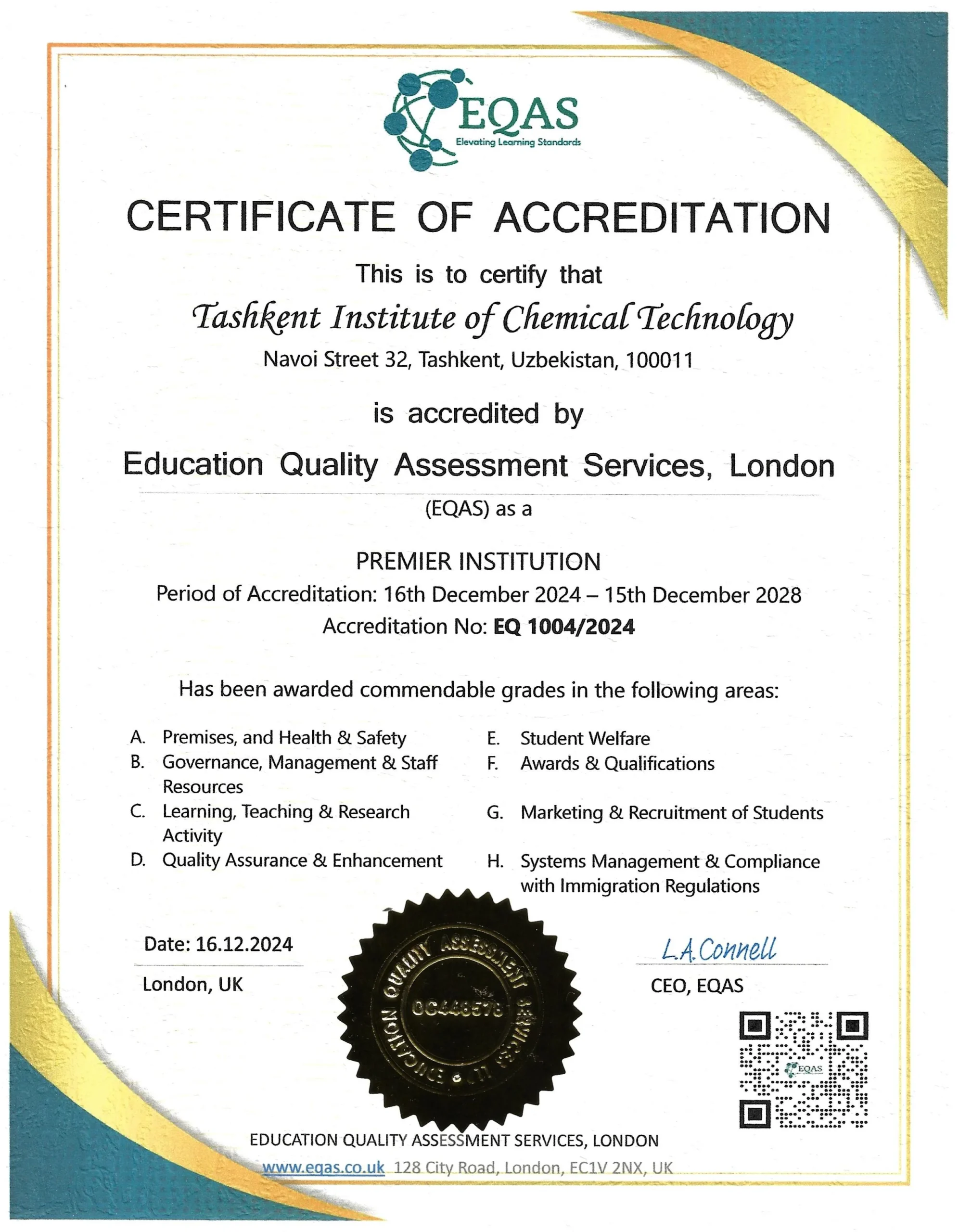
    2. Understanding EQAS Accreditation Standards Core Standards

    The EQAS accreditation process evaluates institutions against a set of robust core standards to ensure the highest levels of quality and integrity. These standards include:

    • Governance and Management:
      Effective leadership and organizational management are critical to maintaining operational excellence. Institutions must demonstrate clear governance structures, strategic planning, and transparency in decision-making.
    • Health, Safety, and Security:
      Institutions are required to provide a safe and secure environment for all stakeholders, ensuring compliance with relevant health and safety regulations.
    • Curriculum and Teaching Quality:
      The curriculum must be well-structured, relevant, and capable of meeting students’ educational needs. High teaching standards and evidence-based practices are essential for academic success.
    • Research Activities:
      Institutions should foster a culture of research and innovation, supporting academic inquiry and contributing to the broader educational landscape.
    • Staff Qualifications and Development: Staff members must be suitably qualified and receive ongoing professional development opportunities to ensure they remain at the forefront of their respective fields.
    • Financial Stability:
      Institutions must demonstrate sound financial management, ensuring sustainability and the ability to deliver consistent quality education.

    Additional Focus Areas
    In addition to the core standards, EQAS places emphasis on several broader aspects that contribute to institutional distinction:

    • Institutional Mission and Vision: A clear and inspiring mission and vision serve as the foundation for institutional strategy and operations, driving long-term success and growth.
    • Community Engagement: Institutions are encouraged to actively engage with their communities, fostering collaboration and mutual benefit through educational, social, and economic initiatives.
    • Sustainability Practices: Incorporating sustainable practices into daily operations and long-term planning is essential for institutions aiming to contribute positively to their environment and society.


    3. Preparing for the Inspection

    Key Preparation Steps


    • Self-assessment aligned with EQAS standards
      Institutions should begin the preparation process by conducting a thorough self assessment. This involves evaluating current policies, procedures, and practices against the EQAS accreditation standards. The self-assessment helps identify strengths, gaps, and areas for improvement, ensuring that the institution is well prepared for the inspection process.
    • Compilation of Evidence and Documentation
      A critical part of the preparation involves gathering and organizing evidence to demonstrate compliance with EQAS standards. This includes but is not limited to:
      • Governance and policy documents. o Curriculum outlines and teaching schedules.
      • Records of health, safety, and security measures.
      • Financial reports and staff qualifications. Institutions should ensure all documentation is accurate, up-to-date, and easily accessible to the inspection team.
    • Drafting an Institutional Improvement Plan
      Based on the findings from the self-assessment, institutions are encouraged to develop an Institutional Improvement Plan. This plan should outline targeted goals, specific actions, and timelines for addressing areas requiring development. The plan serves as a roadmap for continuous improvement and demonstrates a proactive approach to maintaining and enhancing institutional quality.


    Common Challenges and Solutions

    Ensuring compliance with all standards
    • Challenge: Institutions may struggle to meet every aspect of the EQAS standards, particularly when dealing with complex requirements across multiple operational areas. This can be overwhelming, especially for smaller organizations with limited resources.
    • Solution: Institutions should adopt a phased approach to compliance, prioritizing areas of highest importance or those with the most significant gaps. Utilizing the EQAS self-assessment tool effectively allows institutions to systematically address non-compliance. Seeking external expertise or training may also help bridge knowledge gaps and improve compliance efforts.

    Aligning institutional policies with best practices

    Challenge:
    Institutional policies and procedures may not always reflect global best practices, either due to outdated frameworks or regional operational constraints. This misalignment can hinder the institution’s ability to meet EQAS standards effectively.
    Solution:
    Regularly reviewing and benchmarking institutional policies against internationally recognized best practices is essential. Engaging stakeholders, such as academic staff and management, in policy updates ensures that practices are both relevant and achievable. Collaboration with EQAS or similar accreditation bodies can provide further guidance to align policies with the expected standards.

    4. Pre-Inspection Requirements

    Appointment of a Liaison Officer
    To facilitate smooth communication and coordination, institutions must appoint a Liaison Officer who will serve as the primary point of contact for the EQAS inspection team. This individual will manage all inquiries, provide necessary information, and ensure the inspection process runs seamlessly.

    Scheduling the Visit
    The institution should work closely with the designated Inspection Team Leader to determine an inspection timeline that aligns with institutional operations. The finalized schedule should include key activities, stakeholder meetings, and adequate time for reviewing documentation and facilities.

    Documentation Checklist
    Preparation of essential documents is crucial for the inspection team to assess compliance. Institutions should ensure that the following items are complete, accurate, and ready for review:

    Staff and Student Handbooks:
    Comprehensive guides outlining institutional policies, procedures, and expectations.

    • Policy Manuals:
    Detailed documentation of governance, operational, and academic policies.

    • Academic and Operational Reports:
    Reports reflecting institutional performance, curriculum structure, and operational efficiency.

    Workroom Preparation
    A dedicated and well-equipped workspace must be arranged for the inspection team. The workroom should meet the following requirements:

    • Security:
    A secure area where documents and equipment can be stored safely.

    • Connectivity:
    Reliable Wi-Fi access with login credentials provided in advance.

    • Facilities:
    Necessary tools such as a projector, printers, or other equipment to support the team’s work.

    • Hospitality: Light refreshments, including beverages and snacks, to accommodate the team during their stay.
    Institutional Tour

    The inspection begins with a comprehensive tour of the institution, showcasing its facilities, safety measures, and available resources. This tour allows inspectors to evaluate the physical environment, ensuring it meets EQAS standards for safety, accessibility, and functionality. Particular attention should be given to areas such as classrooms, laboratories, libraries, and common spaces, as well as infrastructure supporting health, security, and student well-being.

    Stakeholder Meetings
    Management The management meeting serves as an opportunity to present an overview of the institution’s operations. Key participants, including directors, principals, and senior leaders, should highlight the institution’s history, mission, and vision, emphasizing the steps taken to prepare for the accreditation process. This session should also outline strategic goals and recent achievements that align with EQAS standards.

    Academic Staff
    During this meeting, inspectors will engage with a representative group of academic staff to discuss critical aspects of curriculum delivery, instructional strategies, and resource allocation. Topics may include teaching methodologies, curriculum development processes, and assessment frameworks. This session is an open dialogue, providing staff with a platform to share their perspectives on academic practices and institutional support.

    Support Staff
    The meeting with support staff provides insight into the institution’s administrative and operational efficiency. Representatives from key areas such as facilities management, student support services, IT, and marketing should participate. Discussions will focus on the effectiveness of operational procedures, resource availability, and how the institution ensures smooth day-to-day functioning. This session also highlights the role of support staff in maintaining safety, security, and overall institutional quality.

    Students
    The session with students is an essential part of the inspection process, offering a direct perspective on their experiences. A diverse group of students, representing various programs and demographics, should be included. Inspectors will gather feedback on topics such as educational quality, campus resources, and overall satisfaction. To ensure open and honest communication, these meetings are conducted confidentially, without the presence of staff members.

    Evidence Presentation
    Institutions must ensure that all evidence required for the inspection is well-organized, labeled, and readily accessible to the inspection team. Documents should be presented systematically, with clear cross-references to EQAS standards. Key materials, such as policy manuals, curriculum details, and performance reports, should be made available in both hard copy and digital formats if possible. Providing a dedicated space for evidence review helps facilitate an efficient and thorough evaluation process.

    Oral Exit Report
    At the conclusion of the inspection, the Inspection Team Leader will provide an oral exit report summarizing the preliminary findings. This report offers a general overview of the strengths and areas for improvement identified during the visit. However, it does not include the final accreditation decision, as this will be determined by the accreditation committee after a thorough review.

    Formal Accreditation Decision
    The formal decision regarding accreditation is made by the EQAS Accreditation Committee following the inspection. The timeline typically includes: • Submission of the inspection team’s detailed report within two weeks after the visit. • Committee review and deliberation, usually completed within an additional week. The decision will consider all aspects of the inspection, including evidence provided, stakeholder feedback, and alignment with EQAS standards.

    Notification and Certification
    Once the decision is finalized, the institution will receive official notification via email. This communication will outline any final requirements, such as addressing minor recommendations or completing administrative steps (e.g., payment of fees). Upon fulfillment of these requirements, the institution will receive its accreditation certificate and formal confirmation, allowing it to publicize its new status.

    Opportunities for Appeal
    Opportunities for Appeal If the institution disagrees with the accreditation outcome, it has the right to appeal. The appeal process involves: • Submitting a formal request for reconsideration, including a detailed explanation of the issues in dispute. • Review by an independent appeals panel to ensure a fair and transparent resolution. The appeals process provides institutions with a structured avenue to seek clarification or resolve concerns, reinforcing EQAS’s commitment to integrity and accountability.Opportunities for Appeal If the institution disagrees with the accreditation outcome, it has the right to appeal. The appeal process involves:

    • Submitting a formal request for reconsideration, including a detailed explanation of the issues in dispute.

    • Review by an independent appeals panel to ensure a fair and transparent resolution. The appeals process provides institutions with a structured avenue to seek clarification or resolve concerns, reinforcing EQAS’s commitment to integrity and accountability. If the institution disagrees with the accreditation outcome, it has the right to appeal. The

    appeal process involves: • Submitting a formal request for reconsideration, including a detailed explanation of the issues in dispute. • Review by an independent appeals panel to ensure a fair and transparent resolution. The appeals process provides institutions with a structured avenue to seek clarification or resolve concerns, reinforcing EQAS’s commitment to integrity and accountability.

    Encouraging Self-Evaluation
    EQAS places a strong emphasis on fostering a culture of self-evaluation within institutions. Regular internal reviews, guided by EQAS feedback and standards, help institutions identify areas for improvement and measure progress over time. These evaluations not only ensure ongoing compliance with accreditation requirements but also promote a proactive approach to enhancing overall quality and performance.

    Annual Reporting
    To maintain accreditation status, institutions are required to submit annual reports detailing their activities and achievements. These reports should address any recommendations from the inspection process and highlight efforts made toward continuous improvement. This ongoing reporting process ensures accountability and demonstrates the institution’s commitment to upholding EQAS standards year after year.

    Professional Development Opportunities
    Continuous improvement also depends on the growth and development of staff and faculty. EQAS encourages institutions to invest in professional development by organizing workshops, seminars, and training programs. These initiatives help staff stay current with best practices in education, pedagogy, and institutional management, ultimately benefiting students and the broader academic community.

    By embedding these practices into their operations, institutions create a dynamic environment that supports excellence, innovation, and sustained growth, aligning with the overarching goals of EQAS accreditation.
    Common Concerns About the Inspection Process
    Many institutions may have concerns about the inspection process, such as the level of scrutiny involved, the amount of documentation required, or how the findings will be communicated. To address these concerns:

    • Inspections are conducted in a collaborative and transparent manner, focusing on improvement rather than criticism.

    • Institutions are encouraged to prepare in advance, using EQAS guidelines and templates to streamline the process.

    • Feedback is constructive, with the aim of helping institutions meet and exceed accreditation standards.

    Tips for Successful Accreditation
    • Plan Ahead: Begin preparation well in advance by conducting a thorough selfassessment and addressing potential gaps.
    • Engage Stakeholders: Involve staff, faculty, and students in the preparation process to ensure alignment and readiness.
    • Organize Evidence: Present documentation in a clear, concise, and easily accessible format for the inspection team.
    • Demonstrate Improvement: Highlight progress made since any previous inspections or assessments to showcase the institution’s commitment to growth.
    9. Contact Information
    For additional support or queries, institutions can contact the EQAS Support Team:

    • Email: info@eqas.co.uk
    • Phone: +44 20369 33911
    • Website: www.eqas.co.uk


    The support team is available to assist with inquiries regarding the accreditation process, standards, or any other related matters.
    10. Appendices
    • Templates for Self-Assessment:
      A structured template to guide institutions in evaluating their compliance with EQAS standards and identifying improvement areas.
    • Sample Evidence Checklists:
      A checklist outlining the key documents and materials required for the inspection, organized by accreditation standard.
    • Policies and Procedures Reference Guide:
      A reference guide to best practices for institutional governance, operational efficiency, and academic quality assurance, aligned with EQAS standards.
    1. Introduction

    Purpose


    The EQAS accreditation program is established to serve as a global benchmark for excellence in distance and blended learning education. By providing rigorous and transparent standards, the accreditation ensures that institutions meet international expectations for educational quality, operational integrity, and continuous improvement. Accreditation by EQAS signifies a commitment to fostering innovation, inclusivity, and sustainability in educational delivery, supporting institutions in achieving their strategic goals while upholding the highest standards.

    Scope

    The EQAS accreditation is designed specifically for international institutions that deliver education through distance and blended learning modalities. It encompasses diverse educational providers offering programs at various levels, from foundational courses to advanced degree offerings. By aligning with these standards, institutions demonstrate their dedication to providing accessible, high-quality education to learners across the globe.
    2. Accreditation Standards

    2.1 Governance and Management


    Institutions must demonstrate strong leadership and an effective organizational structure that ensures accountability and ethical decision-making. Clear policies and governance mechanisms should guide institutional operations, including strategic planning, performance monitoring, and stakeholder engagement. Compliance with applicable laws and regulations, as well as adherence to internationally recognized best practices, is essential to maintain institutional integrity and credibility.

    2.2 Health, Safety, and Security

    Ensuring the safety and security of both physical and virtual environments is a fundamental requirement. Institutions must implement robust health and safety protocols, secure data management practices, and cybersecurity measures. This includes safeguarding the wellbeing of staff, students, and other stakeholders while addressing risks associated with digital and physical infrastructure. Institutions should regularly review and update their policies to reflect evolving challenges and standards.

    2.3 Academic Quality

    A high-quality curriculum is central to effective learning. Institutions must offer programs that are well-structured, relevant, and aligned with international academic standards. Mechanisms for regular curriculum review and updates should be in place to ensure programs remain current and responsive to changes in industry, technology, and learner needs. Additionally, institutions should prioritize innovative teaching methodologies and robust assessment practices to maintain academic rigor and enhance student outcomes.

    2.4 Staff


    Institutions must employ a team of qualified professionals who possess the expertise and credentials required to deliver high-quality education and services. Regular performance evaluations and feedback mechanisms should be implemented to maintain standards. Institutions are encouraged to invest in ongoing professional development opportunities to enhance staff skills and knowledge. These efforts ensure that educators and administrators remain adept at addressing the evolving demands of distance and blended learning environments.

    2.5 Student Experience

    A supportive and inclusive student experience is essential for successful learning outcomes. Institutions must provide accessible educational resources, clear communication channels, and responsive support services to address student needs. This includes academic advising, career counseling, and mental health services. A commitment to equity and diversity must be evident in all aspects of student engagement, ensuring that learners from various backgrounds can thrive in a nurturing educational environment.

    2.6 Technology and Learning Management Systems (LMS)

    Institutions must utilize technology and LMS platforms that are reliable, secure, and userfriendly. These systems should support seamless access to educational content, facilitate effective communication between students and instructors, and track student progress comprehensively. Data security and privacy measures must comply with international standards to safeguard sensitive information. Regular system evaluations and updates are required to maintain technological efficiency and meet the needs of an increasingly digital learning landscape.
    3. Accreditation Process

    3.1 Application

    The accreditation process begins with the submission of a comprehensive institutional profile and supporting documentation. Institutions are required to provide detailed information about their governance structure, academic programs, faculty qualifications, student support services, and operational policies. This step ensures that the accrediting body has a clear understanding of the institution’s foundational practices and readiness for the accreditation process.

    3.2 Preparation
    Once the application is reviewed and accepted, institutions proceed to the preparation stage. This involves conducting an internal self-assessment against the EQAS accreditation standards to identify strengths and areas for improvement. During this stage, the institution must appoint a designated point of contact to liaise with the EQAS accreditation team. The appointed individual should have the authority and capacity to organize the required documentation, coordinate schedules, and respond promptly to requests from the accreditation team.

    3.3 Inspection
    The inspection phase includes a thorough review of submitted documentation, virtual or onsite evaluation of the institution’s facilities and systems, and meetings with key stakeholders.
    • Document Review:
    Inspectors assess the relevance and comprehensiveness of policies, procedures, and evidence provided to ensure alignment with EQAS standards.
    • Stakeholder Meetings:
    These include discussions with management, academic staff, support personnel, and students to gain diverse perspectives on institutional practices and culture. Inspectors encourage candid and transparent dialogue during these sessions.
    • System Evaluations:
    Inspectors review the institution’s Learning Management System (LMS), administrative systems, and other technological platforms to evaluate functionality, security, and effectiveness in supporting the learning experience.

    3.4 Decision
    Following the inspection, the accreditation team compiles their findings and submits a report to the EQAS Accreditation Committee. The committee carefully reviews the report and makes a final decision.
    • Accreditation Period:
    If successful, accreditation is granted for a period of up to four years, signifying the institution’s compliance with EQAS standards.
    • Feedback and Recommendations:
    Regardless of the outcome, institutions receive detailed feedback highlighting strengths and providing recommendations for further improvement. This ensures that institutions have a clear pathway to maintaining and enhancing their quality practices. The decision process is transparent, and institutions are informed promptly of the committee’s conclusions, along with any additional steps required for official accreditation recognition.

    4. Evidence Requirements

    To ensure a comprehensive and fair evaluation, institutions must provide clear and verifiable evidence demonstrating compliance with EQAS accreditation standards. The evidence should be organized systematically and made available for review during the inspection process.

    4.1 Governance Policies and Quality Assurance (QA) Manuals
    Institutions must present formal governance documents, including policies, procedures, and strategic plans that define their operational framework. These should illustrate the institution’s commitment to effective leadership, accountability, and ethical practices.
    • Governance Policies:
    Include organizational charts, decision-making frameworks, and compliance protocols that demonstrate transparent and responsible management.
    • Quality Assurance (QA) Manuals:
    Provide detailed QA procedures that outline mechanisms for curriculum development, staff performance evaluations, and institutional self-assessment.
    • Handbooks:
    Staff and student handbooks must clearly communicate the institution’s expectations, rights, and responsibilities, ensuring accessibility and transparency. 4.2 Video Walkthroughs and Virtual System Demonstrations Institutions must facilitate a virtual review of their learning environments, showcasing both physical and digital infrastructure.
    • Video Walkthroughs:
    A virtual tour of facilities such as administrative offices, recording studios, or remote teaching spaces. The walkthrough should highlight safety measures, accessibility features, and resource availability.
    • Learning Management Systems (LMS):
    Provide a demonstration of the LMS, showcasing features like course access, tracking student progress, and communication tools. Institutions should ensure that inspectors have temporary access to these systems to verify functionality and user-friendliness.
    • Administrative Systems:
    Demonstrate the institution’s administrative tools, including student record systems, attendance tracking, and data management practices, to ensure compliance with international standards for operational efficiency and data security.

    4.3 Stakeholder Feedback

    Stakeholder perspectives play a critical role in the accreditation process, offering insights into the institution’s culture, strengths, and areas for improvement.
    • Student Feedback:
    Collect and present feedback from current students regarding the quality of education, availability of resources, and support services. Surveys, focus group summaries, or testimonials can be included.
    • Staff Input:
    Provide feedback from academic and administrative staff, highlighting their perspectives on workload, professional development opportunities, and institutional support.
    • Alumni Views:
    Include testimonials or survey results from alumni to demonstrate long-term institutional impact and the relevance of educational programs in professional contexts. Institutions are encouraged to ensure that evidence is up-to-date, relevant, and wellorganized, facilitating a smooth review process. Clear cross-referencing between evidence and EQAS standards will further enhance the evaluation experience.
    5. Post-Accreditation

    The post-accreditation phase ensures that institutions maintain compliance with EQAS standards throughout the accreditation period and continuously improve their quality of education and operations.

    5.1 Monitoring

    To uphold accreditation status, institutions are required to undergo annual reviews aimed at evaluating their adherence to the standards and addressing any emerging challenges.

    • Annual Reports: Institutions must submit detailed annual reports summarizing key performance indicators, updates to governance policies, curriculum changes, and feedback from stakeholders.

    • Progress Reviews: EQAS will assess the institution’s progress in implementing recommendations provided during the initial accreditation process. This includes reviewing evidence of improvements in identified areas.

    • Compliance Checks: Institutions must demonstrate ongoing compliance with health, safety, and data protection standards, as well as any regulatory changes relevant to their operations.

    • Support Mechanisms: EQAS provides guidance during this period, offering institutions feedback and resources to address any compliance gaps or operational challenges.

    5.2 Renewal

    As the accreditation period nears completion, institutions may apply for reaccreditation to extend their status and continue benefiting from EQAS recognition.

    • Reaccreditation Application: Institutions must submit an updated institutional profile along with evidence of sustained quality improvements and innovations implemented during the accreditation period.

    • Renewal Evaluation: The reaccreditation process mirrors the initial accreditation process, involving document reviews, stakeholder meetings, and system evaluations to ensure the institution remains aligned with EQAS standards.

    • Decision and Accreditation Period: If the institution meets all requirements, accreditation is renewed for another cycle (typically four years). Institutions that fail to meet standards will receive detailed feedback, outlining areas requiring immediate attention before reaccreditation can be granted.
    6. Appeals and Complaints

    EQAS is committed to maintaining a fair and transparent accreditation process, ensuring institutions have the opportunity to address concerns and seek clarification regarding decisions. Clear and accessible procedures are in place to handle appeals and complaints in a structured and impartial manner.

    6.1 Appeals Process

    Institutions that wish to appeal an accreditation decision must follow a formalized process:
    • Grounds for Appeal: Appeals are accepted only if the institution provides evidence of procedural errors, factual inaccuracies, or other valid reasons that could have impacted the decision.
    • Submission of Appeal: A written appeal must be submitted within 30 days of the accreditation decision, outlining the basis for the appeal and providing supporting documentation.
    • Review Panel: An independent review panel, composed of qualified experts not involved in the original decision, will assess the appeal. This ensures an unbiased evaluation of the submitted evidence.
    • Outcome: The review panel’s decision is final and will be communicated to the institution in writing, along with any recommendations or further steps.

    6.2 Complaints Procedure

    Institutions, staff, or students may raise concerns about the accreditation process or the conduct of EQAS representatives:

    • Lodging a Complaint:
    Complaints must be submitted in writing to the EQAS complaints team, clearly detailing the issue and providing any relevant evidence.

    • Initial Assessment:
    Complaints are initially reviewed to determine validity. If deemed valid, the issue is escalated to a designated complaints officer for further investigation.

    • Investigation and Resolution:
    The complaints officer will conduct a thorough investigation, including interviews with relevant parties and a review of all documentation.

    • Response and Follow-Up: EQAS will provide a written response outlining the findings and any corrective actions to be taken. If the complainant remains unsatisfied, they may request an external review.

    6.3 Commitment to Fairness

    EQAS values the principles of transparency, accountability, and fairness. All appeals and complaints are handled confidentially, with an emphasis on resolving issues promptly and maintaining the integrity of the accreditation process. These mechanisms are designed to ensure confidence in EQAS’s standards and procedures while fostering trust among institutions and stakeholders.
    7. Contact Information

    For additional support or queries, institutions can contact the EQAS Support Team:

    • Email: info@eqas.co.uk

    • Phone: +44 20369 33911

    • Website: www.eqas.co.uk

    The support team is available to assist with inquiries regarding the accreditation process, standards, or any other related matters.

    Certificate of Accreditation

    EQAS Inspectors’ Role in Improving Program Quality

    UK & International Accreditation